
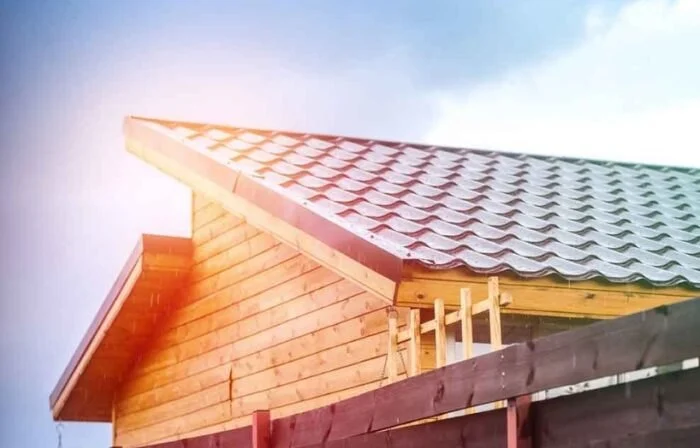
- 1. What is the Best Time of Year to Replace Your Roof?
- 2. Ideal Weather for Roof Replacement
- 3. How Roofing Prices Vary by Season
- 4. Planning Your Roof Replacement Project
- 5. Why the Season Matters for Roof Replacement
1. What is the Best Time of Year to Replace Your Roof?
Replacing a roof is a significant investment, and timing can greatly affect both the cost and the quality of the installation. The best time to replace your roof generally depends on the climate and weather patterns in your region. However, spring and fall are widely considered the best seasons for roofing projects. The weather is milder during these months, allowing contractors to work more efficiently.
In the heat of summer, extreme temperatures can cause roofing materials to become too soft, making them difficult to install. In winter, cold temperatures can also affect the adhesives used to seal shingles, potentially leading to long-term durability issues. Therefore, spring and fall offer the most ideal conditions for roof replacement—mild temperatures and low humidity reduce the risk of complications.
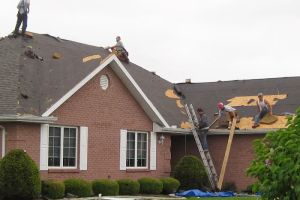
Lance Roofing & Siding Inc. / lance roofing and siding
6903 Dayton Springfield Rd, Enon, OH 45323, USA
2. Ideal Weather for Roof Replacement
When scheduling a roof replacement, it's important to consider the weather in your area. The ideal temperature for installing a new roof is typically between 45°F and 85°F (7°C to 29°C). During these temperatures, materials like shingles are more pliable, adhesives set properly, and workers can complete the project without facing extreme conditions that could slow down the job.
Rain and snow can significantly delay roofing projects. If a roof is being replaced during a rainy season, water can seep into the home or cause delays in the installation. Similarly, high winds or freezing temperatures may prevent workers from completing the project safely. To ensure your roof replacement project is completed with minimal delay, aim for a period when you are likely to experience dry, mild weather.
Victors Home Solutions / victors roofing
2722 E Michigan Ave suite 239, Lansing, MI 48912, USA
3. How Roofing Prices Vary by Season
The cost of roof replacement can vary depending on the time of year. Typically, roofing companies see a surge in business during the warmer months, leading to higher demand. This often results in higher prices for materials and labor. Conversely, in the off-peak seasons, such as winter, contractors may offer lower rates in an effort to fill their schedules.
If you are looking to save on roofing costs, consider scheduling your roof replacement in the fall or winter. While the weather might not be as ideal for installation, you might find significant savings during these slower months. On the other hand, if you need to replace your roof quickly and want to ensure high-quality results, spring and fall remain the most favorable seasons despite the potential for higher costs.
4. Planning Your Roof Replacement Project
Planning ahead is key when scheduling your roof replacement. Start by getting multiple estimates from reputable contractors to compare pricing. In addition to considering seasonal factors, think about any specific needs your roof might have. If your roof is damaged or leaking, it’s important to address those issues sooner rather than later, regardless of the season.
Make sure you also factor in time for permit approvals and weather delays, especially if you are scheduling the replacement during a less ideal season. Discuss your timeline with your contractor to ensure the project is completed promptly and without complications.
5. Why the Season Matters for Roof Replacement
The season in which you choose to replace your roof affects more than just the weather conditions and pricing—it can also impact the longevity and performance of your new roof. For example, roofs installed during extreme temperatures may experience premature wear and tear. A roof replacement done in ideal weather conditions will not only be more efficient but will also provide better protection for your home in the long term.
Additionally, the roofing materials you choose, as well as the installation methods, can be affected by the season. If your contractor is unable to work under ideal conditions, they may not be able to use the best materials or techniques. This could lead to problems such as misaligned shingles, improper sealing, or roof leaks down the line.
In conclusion, while the best time of year to replace your roof depends on your local climate and other factors, spring and fall remain the optimal times for both ideal weather and pricing. Be sure to plan accordingly, consult with professionals, and ensure your roof replacement is completed under the best possible conditions. For expert recommendations and products, check out Pro Found Roofing for all your roofing needs.

 Martin & Sons Roofing4.0 (25 reviews)
 Brox Industries5.0 (1 reviews)
 WeatherMaster Roofing3.0 (3 reviews)
 Cacka Roofing Inc.4.0 (6 reviews)
 AAA Home Construction Inc5.0 (53 reviews)
 Metropolitan Construction Systems, Inc.5.0 (1 reviews)
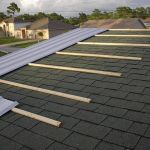 Can You Install a New Roof Over an Old One? The Legal and Practical Facts
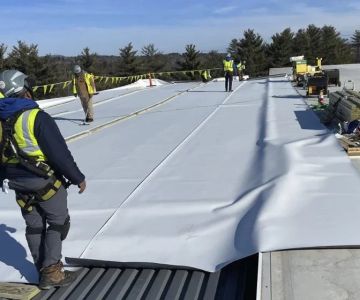
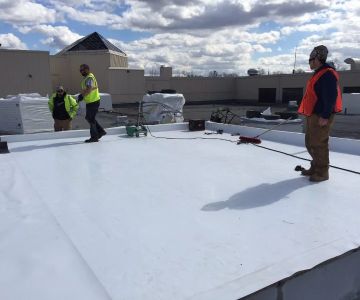
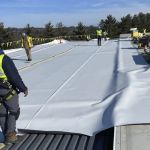 The Process of Installing a TPO Roof with Welded Seams for a Perfect Seal
 Should You Repair or Replace Your Roof? A Complete Decision Guide
 Does a New Roof Increase Your Home's Resale Value? A Look at the ROI | Pro Found Roofing
 How to Clean Your Gutters to Protect Your Roof and Prevent Water Damage
 How to Install Drip Edge on a Roof with a Complex Series of Gables