
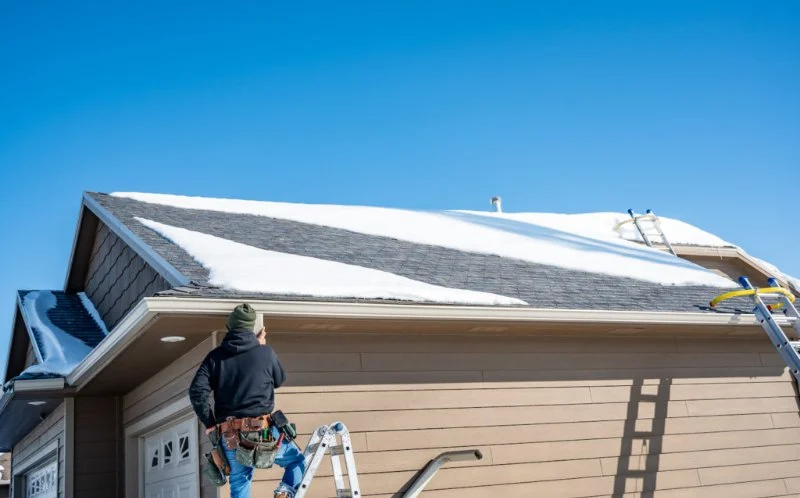
- The Best Time to Replace or Repair Your Roof
- How Weather Impacts Roof Repair and Replacement
- Signs That Indicate It’s Time to Replace or Repair Your Roof
- Understanding the Costs of Roof Repair and Replacement
- Choosing the Right Contractor for Roof Work
The Best Time to Replace or Repair Your Roof
When it comes to roof maintenance, timing is everything. The best time of year to replace or repair your roof depends on several factors, including weather conditions, contractor availability, and the overall health of your roof. While roof repairs can be done year-round, there are certain seasons that are more ideal for these tasks. Understanding these optimal times can save you money and prevent further damage to your property.

SB Pro Roofing / sb pro roofing
Pinellas ParkPinellas CountyFlorida
6358 49th St N, Pinellas Park, FL 33781, USA
How Weather Impacts Roof Repair and Replacement
The weather plays a significant role in the timing of roof repairs or replacements. Extreme temperatures and weather conditions can affect the quality of the materials used and the safety of the contractors performing the work. Here are some things to consider when planning your roof repair or replacement:
- Spring and Fall: These seasons are generally the best for roof work. The temperatures are moderate, which helps materials like shingles adhere properly. Additionally, spring and fall often have fewer weather disturbances, such as storms, making it safer for contractors to work.
- Summer: While summer is a popular time for roof work, it can also be challenging due to high temperatures. In some areas, excessive heat may lead to material expansion, making it harder to get a precise fit. However, contractors are often more available during this time, so scheduling your project may be easier.
- Winter: Winter is typically the least ideal time for roof repair or replacement. Cold temperatures, snow, and ice can complicate the process. Roofing materials may not adhere as well, and contractors may face delays due to weather conditions. However, if the roof is severely damaged, urgent repairs may be necessary, regardless of the season.
Signs That Indicate It’s Time to Replace or Repair Your Roof
There are various signs to look for that indicate your roof may need repair or replacement. Some of these signs may be subtle, while others can be more obvious. Here are a few to keep an eye out for:
- Damaged or Missing Shingles: If you notice shingles that are cracked, curled, or missing, it may be time for a repair or replacement. Damaged shingles can compromise the integrity of your roof, leading to leaks.
- Leaks or Water Damage: Water stains on your ceiling or walls can indicate a leak in your roof. If left unchecked, leaks can cause serious damage to your home, leading to costly repairs.
- Age of Your Roof: If your roof is more than 20 years old, it may be nearing the end of its lifespan. Asphalt shingles, the most common roofing material, typically last around 20 years. If your roof is older, it's a good idea to have it inspected to determine if a replacement is needed.
- Granules in Gutters: If you notice shingle granules in your gutters, this is a sign that your shingles are deteriorating and may need to be replaced. This typically happens as the shingles begin to lose their protective coating.
Understanding the Costs of Roof Repair and Replacement
The cost of roof repair or replacement can vary greatly depending on the size of your roof, the materials used, and the complexity of the work required. Here's a breakdown of what to consider when budgeting for your roof project:
- Repair Costs: Roof repairs are typically less expensive than full replacements. However, the cost will depend on the extent of the damage. Small repairs, such as fixing a few missing shingles, can be relatively affordable. Larger repairs, such as fixing leaks or structural damage, may cost more.
- Replacement Costs: Roof replacement is a more significant investment. The cost will depend on the materials used (asphalt, metal, tile, etc.) and the size of your roof. Labor costs can also vary depending on the complexity of the job.
- Additional Costs: Some additional costs to consider include permits, disposal of old materials, and any necessary structural repairs. Always ask your contractor for a detailed estimate that includes all potential costs.
Choosing the Right Contractor for Roof Work
Choosing a reliable roofing contractor is essential to ensure the quality of your roof repair or replacement. Here are some tips for selecting the right professional:
- Do Your Research: Look for contractors who are licensed and insured. Check online reviews and ask for references to ensure you're hiring a reputable company.
- Get Multiple Quotes: It’s always a good idea to get quotes from at least three contractors. This gives you a better idea of the going rates and helps you choose a contractor that fits your budget and needs.
- Ask About Warranties: A reputable contractor should offer warranties on both materials and labor. Be sure to understand the terms and conditions of any warranties provided before signing a contract.
Replacing or repairing your roof is a significant investment, and the timing of your project can affect its success and cost. By understanding the best time of year for roof work and knowing what signs to look for, you can make informed decisions that protect your home and your wallet.
If you're ready to get started on your roof project, visit Pro Found Roofing for expert recommendations on roofing services and products. We help you find the best options for your home’s needs.

 Hastings Roofing Inc4.0 (32 reviews)
 Best Roofing LA5.0 (20 reviews)
 PRO MASTER CONSTRUCTION NJ LLC5.0 (16 reviews)
 Darcy Roofing LLC4.0 (5 reviews)
 Rockwell Roofing5.0 (4 reviews)
 Glick's Exteriors4.0 (25 reviews)
 The Impact of Shade from Solar Panels on Moss Growth Underneath Them
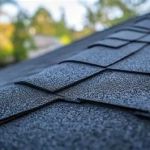 Understanding Roof Flashing: What It Is and Why It Matters for U.S. Homes
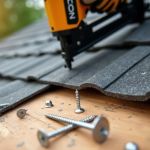 What is a Roofing Nail? The Right Type, Size, and Number for a Secure Roof
 How to Choose Between TPO and PVC Roofing | Expert Roofing Guide
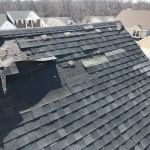 How to Get a Free Roof Inspection: What’s Included and What’s Not
 What is a Roofing Warranty? Understanding Manufacturer vs. Contractor Warranties