- 1- Overview of Metal Roofs vs. Asphalt Shingles
- 2- Durability and Lifespan Comparison
- 3- Energy Efficiency and Environmental Impact
- 4- Cost Considerations and Return on Investment
- 5- Aesthetic Appeal and Property Value
- 6- Conclusion: Which Roof Is Right for Your Home?
1- Overview of Metal Roofs vs. Asphalt Shingles
When choosing a new roof for your home, two of the most popular options are metal roofs and asphalt shingles. Both materials have their advantages and disadvantages, making it important to consider your specific needs, budget, and long-term goals. In this article, we’ll explore the key differences between these two roofing materials, and help you determine which is the best fit for your home.
2- Durability and Lifespan Comparison
One of the most significant factors in choosing a roof is its durability. Metal roofs are renowned for their long lifespan, often lasting 40 to 70 years depending on the material. This makes them an excellent choice if you’re looking for a roof that will stand the test of time. Asphalt shingles, on the other hand, typically last between 15 and 30 years, depending on the quality of the shingles and the climate conditions. While metal roofs can be more expensive upfront, their longevity often makes them a better investment over time.
Moreover, metal roofs are more resistant to extreme weather conditions such as hail, high winds, and heavy snow. Asphalt shingles can be more vulnerable to damage from these conditions, leading to repairs or replacements sooner than expected. So, if you're located in an area prone to severe weather, a metal roof may offer superior protection.
3- Energy Efficiency and Environmental Impact
Energy efficiency is an increasingly important consideration for homeowners, and both metal roofs and asphalt shingles offer distinct benefits in this area. Metal roofs are highly reflective, meaning they can reflect much of the sun’s rays and keep your home cooler during the summer months. This can lead to reduced cooling costs and improved energy efficiency. Some metal roofs are even designed with cool roof technology to further enhance this reflective property.
In contrast, asphalt shingles tend to absorb more heat, which can result in higher air conditioning costs during warmer months. While some asphalt shingles are now being manufactured with reflective coatings to mitigate this issue, they still tend to perform less efficiently than metal roofs.
Environmentally, metal roofs are a more sustainable choice. Many metal roofing systems are made from recycled materials and are themselves recyclable at the end of their life. Asphalt shingles, on the other hand, are often made from petroleum products and are not as easily recyclable, which can contribute to landfill waste.
4- Cost Considerations and Return on Investment
When it comes to upfront costs, asphalt shingles are generally the more affordable option. Depending on the quality of the shingles and the size of your roof, asphalt roofing can be significantly cheaper than metal roofing. However, while the initial investment for metal roofs is higher, the long-term savings and benefits can outweigh the initial cost.
Metal roofs are less prone to damage, require fewer repairs, and have a longer lifespan, which means fewer replacement costs over time. Additionally, metal roofs can improve your home’s energy efficiency, leading to savings on heating and cooling bills. Therefore, while the upfront cost may be higher, the return on investment for a metal roof is often greater in the long run.
5- Aesthetic Appeal and Property Value
Another important factor to consider when choosing between metal roofs and asphalt shingles is the aesthetic appeal. Asphalt shingles are available in a wide variety of colors and styles, making it easy to match your roof with your home’s design. They are also widely available and commonly used, so they are often considered a more traditional choice.
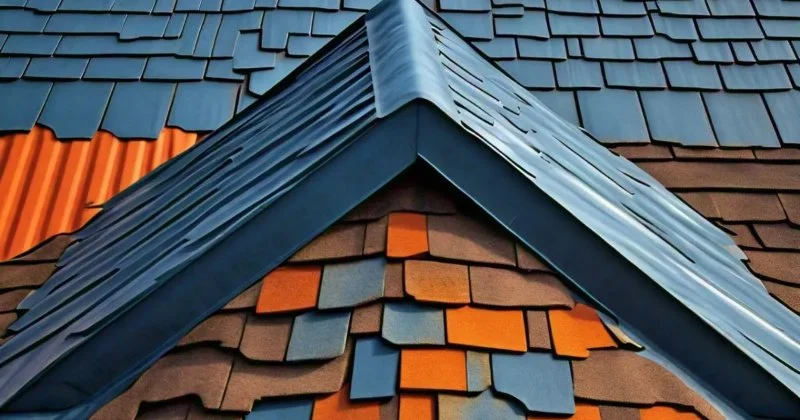
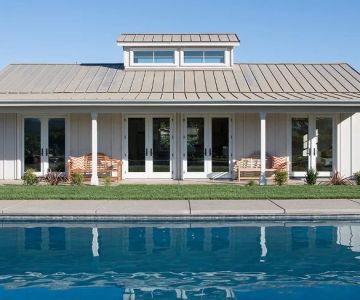
Metal roofs, while typically more expensive, offer a modern, sleek look that can increase the curb appeal of your home. They are available in a variety of styles, including standing seam and corrugated panels, and can be customized to suit the aesthetic of your home. Because they are less common, metal roofs may also stand out more and increase the perceived value of your property, especially in upscale neighborhoods.
In terms of property value, metal roofs can provide a higher return on investment compared to asphalt shingles due to their longevity, durability, and aesthetic appeal. A well-maintained metal roof can be a strong selling point for potential buyers, especially those looking for a home with long-lasting, energy-efficient features.
6- Conclusion: Which Roof Is Right for Your Home?
Both metal roofs and asphalt shingles offer unique advantages depending on your priorities. If you are looking for a budget-friendly, versatile roofing option that provides a wide range of colors and styles, asphalt shingles might be the right choice. However, if you’re willing to make a higher initial investment for a roof that will last longer, offer superior energy efficiency, and increase the overall value of your home, a metal roof may be the better option.
Ultimately, the best roofing material for your home depends on your budget, climate, aesthetic preferences, and long-term goals. To make an informed decision, consult with a roofing professional who can assess your needs and help you choose the right roofing material for your home. For expert advice and quality roofing services, visit Pro Found Roofing today!
 UglyRoof5.0 (7 reviews)
 Mr. B's Roofing Ranger5.0 (1 reviews)
 Lawndale Roofing Specialists0.0 (0 reviews)
 Express Roofing4.0 (17 reviews)
 Best American Roofing LLC5.0 (7 reviews)
 BNF Roofing5.0 (20 reviews)
 The Average Cost of a Cedar Shake Roof: Installation and Maintenance Over Time
 What Roof Color Is Best for Energy Efficiency? Climate-Based Guide
 How to Identify and Repair Damaged Roof Soffits and Fascia
 How Long Does Roof Installation Take? Timeline Explained | Pro Found Roofing
 What is a Roofing Warranty? What to Do if Your Roofing Contractor Goes Out of Business
 How to Install Ice and Water Shield in Complex Roof Areas with Many Valleys