
- why-permits-matter-for-roof-replacement
- general-rules-across-the-us
- state-by-state-permit-requirements-overview
- real-stories-of-permit-issues-and-successes
- how-to-handle-permits-the-smart-way
1. Why Permits Matter for Roof Replacement
1.1 More Than Just Paperwork
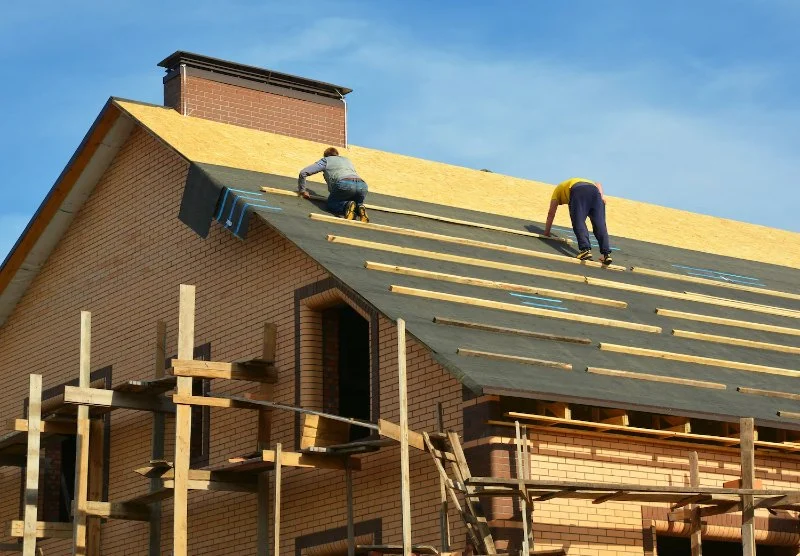
A roofing permit may seem like a bureaucratic nuisance, but it serves an important purpose. It ensures that the work meets building code standards, protecting you as a homeowner and potentially your future buyers. Whether you’re replacing shingles or reworking the roof deck, failing to secure a permit could lead to fines or complications with insurance claims.

Rapid Response Roofing / rapid response roofing
East GreenvilleMontgomery CountyPennsylvania
408 State St, East Greenville, PA 18041, USA
1.2 Legal and Financial Implications
In many U.S. cities, work done without a permit can result in stop-work orders or mandatory tear-offs. Worse, it might delay home sales or reduce property value. That's why getting the correct permit before your roof replacement isn't just smart—it's essential.
If you're unsure about local rules, experts at Pro Found Roofing help homeowners navigate permits and paperwork efficiently across multiple states.

Gunner Roofing / gunner roofing
CromwellLower Connecticut River Valley Planning RegionConnecticut
700 Corporate Row, Cromwell, CT 06416, USA
2. General Rules Across the U.S.
2.1 When Permits Are Typically Required
Most U.S. municipalities require a permit when you're replacing the entire roofing system, especially if it involves structural work like decking or truss repair. Minor repairs (such as patching or replacing fewer than 100 square feet of shingles) often don’t require a permit. However, rules vary widely—even between neighboring counties.
2.2 Roofing Contractors and Permit Responsibility
In general, if you hire a licensed roofer, they will pull the permit on your behalf. Homeowners opting for DIY roofing must apply directly through their local building department. Always verify that your contractor includes permit acquisition in their quote—it’s a common oversight that can lead to confusion down the line.
3. State-by-State Permit Requirements Overview
3.1 California
In California, a permit is required for almost any roof replacement, even if it’s just replacing shingles. Local climate codes (like fire-rated materials in wildfire zones) also apply. Some counties, such as Los Angeles or Marin, require additional inspection checkpoints.
3.2 Texas
Texas doesn't have a statewide requirement, leaving it up to individual cities. Houston, for instance, requires permits for all roof replacements, while some rural counties do not. Always check your city’s permitting office or website.
3.3 Florida
Florida’s high standards stem from hurricane risks. Permits are mandatory for any roof work beyond patching. Homeowners are also required to meet strict wind-mitigation codes. Noncompliance could void your home insurance.
3.4 New York
In New York State, most jurisdictions require a roofing permit for any job over a certain square footage. New York City, in particular, enforces additional Department of Buildings filing procedures for multi-family or landmark-designated properties.
3.5 Illinois
Chicago and other major cities in Illinois mandate roofing permits, and contractors must be licensed with the state. Inspections are common and may include structural reviews if decking or supports are being replaced.
3.6 Other States
States like Washington, Oregon, Massachusetts, and Colorado typically require permits for full roof replacements. However, policies can vary significantly between counties and municipalities. Always confirm before scheduling your project.
4. Real Stories of Permit Issues and Successes
4.1 The “Hidden Roof” in Pennsylvania
A homeowner in Pittsburgh opted for a low-cost roofer who didn’t mention permits. Months later, when selling the home, a buyer requested the roofing permit record. The sale was delayed until the seller paid a fine and got a retroactive inspection. “It cost me an extra $2,000 and a missed offer,” they said.
4.2 Florida Family Avoids Insurance Trouble
In Fort Lauderdale, the Nguyen family hired a certified contractor who handled everything—including hurricane code compliance and permitting. Months later, when a tropical storm hit, their insurance claim was approved without issue. “The permit saved us from a battle with our insurer,” they recalled.
4.3 DIY Permitting Success in Colorado
A Denver resident chose to re-roof his small garage himself. He visited the city permit office, paid a modest fee, and had two inspections. “It was easier than I expected—and I saved a lot,” he said. But he added, “I wouldn’t do it for my main house. Too much liability.”
5. How to Handle Permits the Smart Way
5.1 Start with Your Local Building Department
Visit your city or county’s building website or office to confirm if a permit is needed. Many cities now offer online applications and fee calculators. Have your contractor’s license number and project scope ready.
5.2 Work with a Licensed Roofing Contractor
Reputable roofers will include permit acquisition in their project process. At Pro Found Roofing, we manage all permitting needs across the U.S., ensuring our clients are fully code-compliant and protected. We believe your roofing investment should come with peace of mind—not red tape.
5.3 Keep Records for Resale and Insurance
Once the work is completed and inspected, keep a copy of the permit and the final approval notice. These documents can be vital for resale disclosures and insurance validation in the future.

 Miami Roof-Tech4.0 (139 reviews)
 Mav City Restoration Inc.4.0 (39 reviews)
 Prairie Exteriors & Painting, LLC4.0 (176 reviews)
 Real Roofing Contractor Miami Inc5.0 (9 reviews)
 Wheatley Roofing Co Inc5.0 (1 reviews)
 B & B Roofing & Repair4.0 (14 reviews)
 What to Expect During a Professional Roof Inspection
 How to Install Drip Edge on a Roof That Never Had It Before
 How to Inspect Your Roof from the Ground: A Simple Guide for Homeowners
 How to Choose a Roofing Contractor Who Offers Financing Options
 The Best Roofing Nails for the Job: Material, Length, and Shank Type Explained
 How to Tell If Your Roof Was Installed Properly | Pro Found Roofing