- 1. Roofing Nails Material: Choosing the Right Option
- 2. Roofing Nails Length: What’s Best for Your Project
- 3. Roofing Nails Shank Types: Why They Matter
- 4. Where to Find the Best Roofing Nails and Tools
1. Roofing Nails Material: Choosing the Right Option
When selecting roofing nails, the material is one of the most crucial factors. The most common materials used for roofing nails are galvanized steel, stainless steel, and copper. Each material has its strengths and weaknesses, making it essential to choose the right one for your specific project.
Galvanized Steel: Galvanized steel nails are the most commonly used roofing nails due to their cost-effectiveness and durability. The zinc coating helps prevent rust and corrosion, making them suitable for most roofing jobs.
Stainless Steel: If you live in a coastal area where saltwater can accelerate corrosion, stainless steel roofing nails are a perfect choice. These nails offer superior resistance to rust and are ideal for long-term durability.
Copper: Copper nails are often used for high-end, historic roofing projects. While they are more expensive, copper nails offer exceptional longevity and resistance to corrosion, making them a preferred choice for premium projects.

SB Pro Roofing / sb pro roofing
Pinellas ParkPinellas CountyFlorida
6358 49th St N, Pinellas Park, FL 33781, USA
2. Roofing Nails Length: What’s Best for Your Project
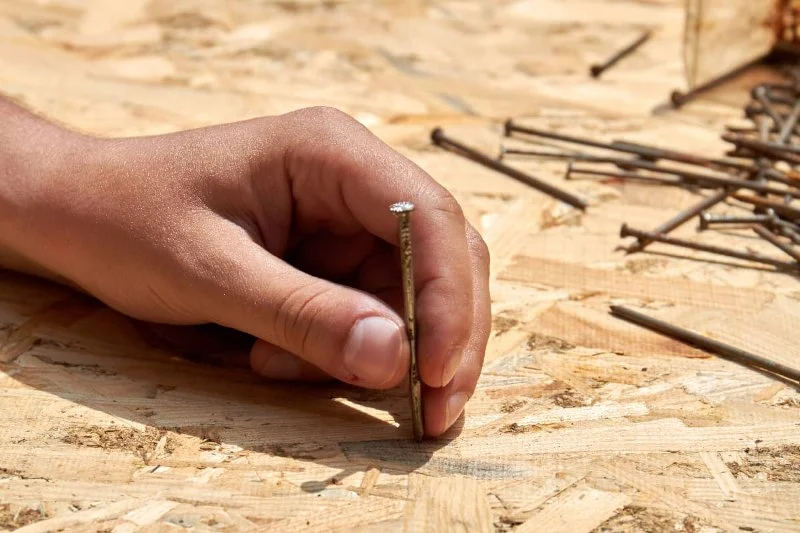
The length of the roofing nails you use depends on the thickness of the roofing material you're working with. Generally, roofing nails should penetrate the roofing material by at least 3/8 inch to ensure a secure hold.
Standard Length: The most common roofing nail length is 1-1/4 inches, which is ideal for asphalt shingles. If you're working with thicker materials like cedar shakes, you may need nails as long as 2 inches to secure the shingles properly.
Choosing the Right Length: Always match the nail length to the material thickness. Too short a nail might not hold your shingles properly, while overly long nails could cause damage to the underlying roof deck.

Gunner Roofing / gunner roofing
CromwellLower Connecticut River Valley Planning RegionConnecticut
700 Corporate Row, Cromwell, CT 06416, USA
3. Roofing Nails Shank Types: Why They Matter
The shank type of a roofing nail refers to its shape and how it grips the material. There are three primary shank types: smooth, ringed, and screw-shank.
Smooth Shank: Smooth shank nails are simple and straightforward, providing a quick and cost-effective option for most roofing jobs. However, they offer less holding power compared to other types.
Ringed Shank: Ringed shank nails are designed with rings along the shaft, providing additional grip in the roofing material. This makes them a great choice for areas that experience high wind or heavy rainfall.
Screw Shank: Screw shank nails have a threaded design that offers superior holding power. These nails are perfect for areas where extreme weather conditions are expected, ensuring a secure hold for your roofing materials.
4. Where to Find the Best Roofing Nails and Tools
At Pro Found Roofing, we offer a wide range of roofing nails made from the highest-quality materials, available in various lengths and shank types to meet all your roofing needs. Whether you're a DIY enthusiast or a professional roofer, our selection ensures that you find the perfect nails for your project.
When purchasing roofing nails, it's essential to choose a trusted supplier that offers both quality and variety. Visit us at Pro Found Roofing to find the best roofing materials and tools for your next project!
 Resto Roofing of Columbia5.0 (5 reviews)
 Curb Appeal Exteriors & Restoration5.0 (37 reviews)
 The Exterior Zone5.0 (152 reviews)
 P.E.Y roofing Anaheim5.0 (1 reviews)
 Element Roofing4.0 (42 reviews)
 Ameristar Exteriors0.0 (0 reviews)
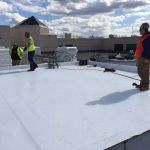 What is a Roofing Membrane? A Guide to EPDM, TPO, and PVC for Flat Roofs
 The Signs of Animal Nesting in Your Attic and How to Remove Them Safely
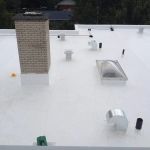 A Comprehensive Guide to EPDM, TPO, and PVC Roofing Membranes for Flat Roofs
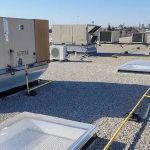 htmlCopy codeThe True Cost of a Built-Up Roof (BUR) with Gravel for a Commercial Building
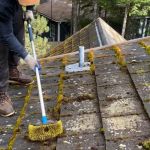 How to Safely Remove Moss and Algae from Your Roof: A Step-by-Step Guide
 The Ultimate Roof Inspection Checklist: What to Look for Before and After a Storm | Pro Found Roofing