- 1-understanding-the-difference-flat-roofs-vs-sloped-roofs
- 2-the-pros-and-cons-of-flat-roofs
- 3-the-advantages-and-limitations-of-sloped-roofs
- 4-factors-to-consider-before-making-your-choice
- 5-real-life-examples-of-choosing-the-right-roof
- 6-where-to-turn-for-professional-help
1. Understanding the Difference: Flat Roofs vs. Sloped Roofs
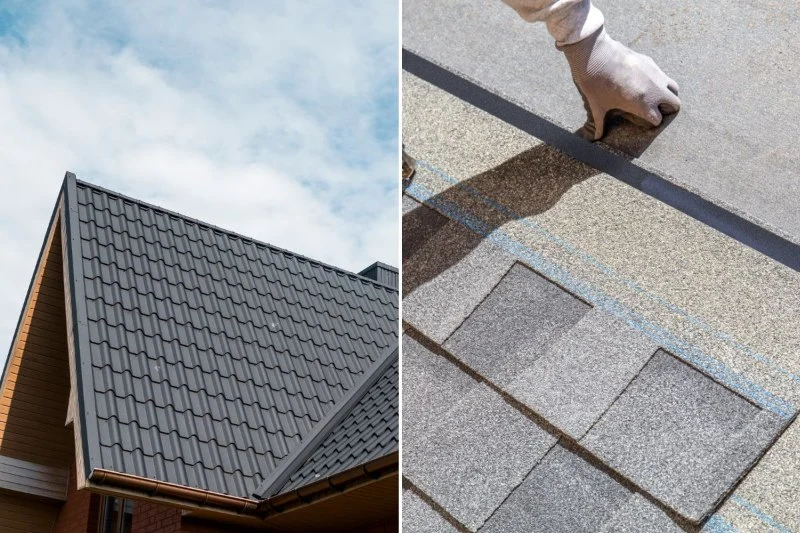
The roof over your head might seem like a simple structure, but when you're deciding between a flat roof and a sloped one, there's more than meets the eye. A flat roof is almost level (though it typically has a slight pitch for drainage), while a sloped roof has an obvious incline—like what you commonly see in suburban homes across the U.S. Each design carries its own set of architectural, practical, and financial implications, especially in varied American climates.

Holden Roofing (Houston Corporate) / holden roofing
RosenbergFort Bend CountyTexas
2128 1st St, Rosenberg, TX 77471, USA
2. The Pros and Cons of Flat Roofs
2.1 Modern Appeal and Usable Space
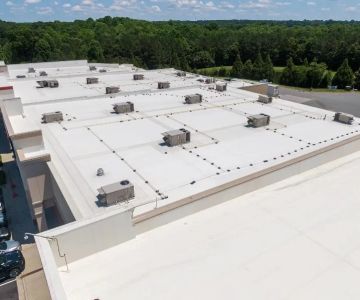
Flat roofs are especially popular in contemporary and urban design. They offer a clean aesthetic and allow for functional uses such as rooftop gardens, HVAC system placements, or solar panel installations. For example, in places like Arizona or Southern California, flat roofs are favored for their efficiency and style.
Victors Home Solutions / victors roofing
2722 E Michigan Ave suite 239, Lansing, MI 48912, USA
2.2 Maintenance and Drainage Issues
However, flat roofs can pose challenges in rainy or snowy climates. Since water doesn't run off as quickly, poor drainage can lead to leaks or water pooling. Regular maintenance is a must. If you choose a flat roof in a wet area, investing in high-quality waterproofing materials and professional installation is critical.
3. The Advantages and Limitations of Sloped Roofs
3.1 Excellent Water Runoff and Durability
Sloped roofs are ideal for regions with heavy rainfall or snow, such as the Midwest or Northeast. The incline allows water and debris to slide off more easily, reducing wear and potential damage. Asphalt shingles, tiles, and even metal panels are often used, offering both durability and design flexibility.
3.2 Design Constraints and Higher Cost
That said, sloped roofs can restrict architectural design and limit rooftop usability. They're also more complex to construct, which can increase both labor and materials cost. So if you're building on a tight budget and don't need attic space, a flat roof might be more cost-effective.
4. Factors to Consider Before Making Your Choice
4.1 Regional Climate
Your geographic location in the U.S. should be your first consideration. Flat roofs suit dry, warm areas; sloped roofs are better for wet, snowy, or hurricane-prone zones. Ignoring your local weather can cost you far more in repairs down the road.
4.2 Long-Term Maintenance
Ask yourself how often you’re willing to inspect or maintain your roof. Flat roofs need more frequent attention to avoid drainage issues. Sloped roofs are generally more forgiving but can still be expensive to repair due to their construction complexity.
4.3 Visual and Functional Preferences
Flat roofs often appeal to minimalists or fans of modern architecture, while sloped roofs evoke traditional charm. Also, if you dream of a rooftop deck or green space, a flat roof gives you that flexibility. Think about how you want to use your roof, not just how it looks.
5. Real-Life Examples of Choosing the Right Roof
In Austin, Texas, a homeowner chose a flat roof for their mid-century modern remodel. They transformed the rooftop into an outdoor dining space and installed solar panels—making both a style and sustainability statement.
Meanwhile, a family in Buffalo, New York, opted for a high-pitched sloped roof after their previous flat roof collapsed under heavy snow. It was a tough lesson, but one that reshaped how they thought about climate compatibility and structural integrity.
6. Where to Turn for Professional Help
Whether you're building new or replacing an old roof, the decision between a flat or sloped roof isn't one to take lightly. It’s always best to speak with roofing experts who understand both the local climate and structural best practices. Many U.S. homeowners rely on trusted providers like Pro Found Roofing to assess their property and offer custom solutions that balance style, function, and budget.
In the end, the right roof isn’t just about how it looks from the curb—it's about how it performs for years to come.
 Hastings Roofing Inc4.0 (32 reviews)
 Best Roofing LA5.0 (20 reviews)
 PRO MASTER CONSTRUCTION NJ LLC5.0 (16 reviews)
 Darcy Roofing LLC4.0 (5 reviews)
 Rockwell Roofing5.0 (4 reviews)
 Glick's Exteriors4.0 (25 reviews)
 The Impact of Shade from Solar Panels on Moss Growth Underneath Them
 Understanding Roof Flashing: What It Is and Why It Matters for U.S. Homes
 What is a Roofing Nail? The Right Type, Size, and Number for a Secure Roof
 How to Choose Between TPO and PVC Roofing | Expert Roofing Guide
 How to Get a Free Roof Inspection: What’s Included and What’s Not
 What is a Roofing Warranty? Understanding Manufacturer vs. Contractor Warranties