- why-green-roofing-matters-in-the-us
- types-of-green-roofing-solutions-available
- real-projects-and-success-stories-across-the-us
- how-to-choose-the-right-green-roof-for-your-home
1. Why Green Roofing Matters in the U.S.
1.1 Environmental Impact and Climate Goals
Green roofing solutions are no longer a trend—they’re a key part of sustainable living in the U.S. With climate change concerns growing, especially in urban centers like New York, Los Angeles, and Chicago, energy-efficient roofing options are helping reduce the heat island effect and lower household carbon footprints. These systems improve stormwater management and provide natural insulation, reducing the need for energy-heavy cooling and heating systems.

Holden Roofing (Houston Corporate) / holden roofing
RosenbergFort Bend CountyTexas
2128 1st St, Rosenberg, TX 77471, USA
1.2 Government Incentives and Energy Savings
Many U.S. cities now offer tax credits, rebates, or zoning bonuses for homeowners who choose eco-friendly roofing. From California’s Title 24 energy standards to federal tax incentives, going green with your roof isn’t just environmentally wise—it’s financially smart too. A green roof can cut annual energy costs by up to 30% in some regions.
If you're considering an upgrade or building a new sustainable home, Pro Found Roofing offers guidance, product selection, and services specifically tailored to American homes striving to meet green living goals.
Victors Home Solutions / victors roofing
2722 E Michigan Ave suite 239, Lansing, MI 48912, USA
2. Types of Green Roofing Solutions Available
2.1 Living Roofs: Nature on Top of Your Home
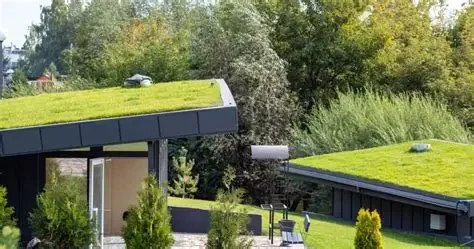
A living roof, or vegetative roof, is perhaps the most visually striking of all green solutions. These roofs are partially or completely covered in soil and vegetation, supported by waterproofing layers and drainage systems. They not only provide excellent insulation but also attract pollinators and reduce CO₂ emissions.
While popular in dense cities like San Francisco or Portland, living roofs are now appearing in suburban homes and even rural cabins, offering beauty and performance in equal measure.
2.2 Cool Roofs: Reflective, Heat-Reducing Systems
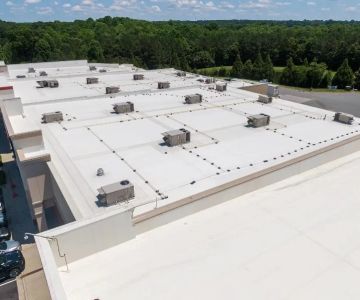
Cool roofs are engineered to reflect more sunlight and absorb less heat than standard roofing materials. Made from reflective shingles, coatings, or membranes, they’re ideal for hot climates in states like Arizona, Nevada, and Texas. These systems can lower roof temperatures by 50°F or more on summer days.
2.3 Solar Roofing: Energy Generation Meets Design
Integrated solar roofing combines the structure of a roof with energy-producing technology. Modern solar shingles and solar tiles, such as those offered by Tesla or CertainTeed, are designed to blend seamlessly with your roofline. This makes them a top choice for homeowners seeking a clean energy source without compromising aesthetics.
2.4 Recycled and Sustainable Roofing Materials
Sustainable roofing isn’t limited to high-tech systems. Even your material choice matters. Options like recycled metal, reclaimed wood shakes, or composite shingles made from rubber and plastics are gaining traction. They’re durable, eco-conscious, and often more affordable than expected.
3. Real Projects and Success Stories Across the U.S.
3.1 New York City’s Green Apartment Roof
In 2022, a Brooklyn brownstone community transformed its rooftop into a shared garden and rainwater system. Not only did residents enjoy fresh herbs and flowers, but the building’s summer cooling costs dropped by 28%. The project was so successful, it sparked similar initiatives in neighboring boroughs.
3.2 Arizona Family Cuts Cooling Costs with Cool Roof
The Mitchells, a family living in Phoenix, installed a cool roof after struggling with summer AC bills. Post-installation, their cooling expenses decreased by $900 annually. “It felt like living under shade trees all the time,” said Chris Mitchell in a regional news interview.
3.3 Seattle Home Blends Solar Tiles with Historic Aesthetics
A homeowner in Seattle’s Queen Anne district installed solar roofing tiles that matched the original clay tile aesthetic. The local heritage board approved the change due to the low visual impact. Within a year, the homeowner saw their electricity bills drop by 60%.
These cases show that green roofing solutions aren’t just for new builds—they can be tailored to homes of all sizes, ages, and styles. If you’re curious about what might work best for your home, consult with specialists at Pro Found Roofing to explore customized solutions.
4. How to Choose the Right Green Roof for Your Home
4.1 Know Your Climate and Roof Type
The best green roofing solution depends on where you live. For example, living roofs thrive in wetter climates like the Pacific Northwest, while cool roofs excel in hot, dry environments. Sloped roofs may better suit solar tiles, while flat roofs are ideal for rooftop gardens or modular systems.
4.2 Consider Long-Term ROI and Maintenance
Green roofing often requires upfront investment, but the long-term savings are worth it. A living roof may need occasional weeding or irrigation checks, while solar roofs offer passive returns with minimal maintenance. Weigh the pros and cons, including warranties and life expectancy.
4.3 Consult Green Roofing Experts
Every home is unique, and navigating local codes, permits, and materials can be overwhelming. That’s where companies like Pro Found Roofing step in. With region-specific experience and a focus on sustainability, they help homeowners make informed decisions backed by technical and design expertise.
 Hastings Roofing Inc4.0 (32 reviews)
 Best Roofing LA5.0 (20 reviews)
 PRO MASTER CONSTRUCTION NJ LLC5.0 (16 reviews)
 Darcy Roofing LLC4.0 (5 reviews)
 Rockwell Roofing5.0 (4 reviews)
 Glick's Exteriors4.0 (25 reviews)
 The Impact of Shade from Solar Panels on Moss Growth Underneath Them
 Understanding Roof Flashing: What It Is and Why It Matters for U.S. Homes
 What is a Roofing Nail? The Right Type, Size, and Number for a Secure Roof
 How to Choose Between TPO and PVC Roofing | Expert Roofing Guide
 How to Get a Free Roof Inspection: What’s Included and What’s Not
 What is a Roofing Warranty? Understanding Manufacturer vs. Contractor Warranties