Green Roofs: How They Work, Their Benefits, and Installation Considerations
- 1. What is a Green Roof?
- 2. How Green Roofs Work
- 3. Benefits of Green Roofs
- 4. Installation Considerations
- 5. Choosing the Right Green Roof for Your Building
1. What is a Green Roof?
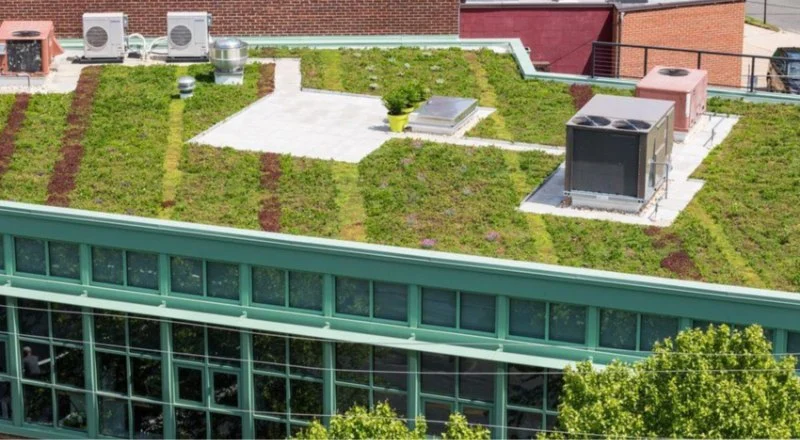
A green roof, also known as a living roof, is a sustainable building feature that involves growing plants on the rooftop. Unlike traditional roofs that are flat and bare, a green roof is covered with vegetation, soil, and sometimes additional layers to support plant growth. This type of roof can vary in design, from simple garden-like features to more complex systems involving hydroponic planting methods.
Green roofs are designed not only to beautify a building but also to provide several environmental, social, and economic benefits, making them an attractive option for both residential and commercial properties.

Holden Roofing (Houston Corporate) / holden roofing
RosenbergFort Bend CountyTexas
2128 1st St, Rosenberg, TX 77471, USA
2. How Green Roofs Work
Green roofs function by creating a layered system on top of the building. These layers typically include:
- Waterproofing membrane: This layer prevents water from leaking into the building.
- Drainage layer: It ensures that excess water drains away from the roof, preventing waterlogged areas.
- Filter fabric: A fabric that allows water to drain while preventing soil from washing away.
- Growing medium: A specially designed soil mixture that supports plant growth while being lightweight.
- Vegetation: The plants, which are typically low-maintenance species suited for rooftop environments, help with insulation and air quality.
The vegetation layer can be designed as a sedum mat, garden plants, or even trees, depending on the type of green roof. The plants absorb water, regulate temperature, and filter air, offering a range of environmental benefits.
Victors Home Solutions / victors roofing
2722 E Michigan Ave suite 239, Lansing, MI 48912, USA
3. Benefits of Green Roofs
Green roofs offer numerous advantages that can positively impact both the environment and building occupants:
- Energy efficiency: Green roofs help insulate buildings, reducing the need for heating and cooling. This can lower energy bills and reduce your building's carbon footprint.
- Stormwater management: They absorb rainwater, reducing runoff and preventing flooding. This is particularly beneficial in urban areas where drainage systems are often overburdened.
- Improved air quality: Plants on green roofs act as natural air filters, improving air quality by absorbing pollutants and carbon dioxide.
- Noise reduction: The layers of soil and plants act as soundproofing, reducing noise from outside, making buildings more peaceful and comfortable.
- Urban biodiversity: Green roofs create habitats for birds, insects, and other wildlife, which is increasingly important in urban areas.
- Aesthetic value: Green roofs enhance the visual appeal of a building, creating a space that blends in with the natural environment while adding a modern touch to the structure.
4. Installation Considerations
Installing a green roof is a significant investment, and there are several important factors to consider before beginning the project:
- Roof structural integrity: Green roofs can be heavy, especially when saturated with water. It's essential to ensure that the building's structure can support the additional weight.
- Climate: The types of plants that thrive on green roofs depend on the local climate. For example, drought-tolerant plants may be preferred in arid regions, while more moisture-loving plants may be used in areas with more rainfall.
- Maintenance: While green roofs generally require less maintenance than traditional roofing, periodic care is necessary to ensure the plants remain healthy. This includes watering, weeding, and inspecting the drainage system.
- Cost: The cost of installing a green roof can vary based on the size of the roof, the complexity of the system, and the materials used. On average, installation costs can range from $10 to $25 per square foot. However, the long-term savings in energy costs and the environmental benefits can make this a worthwhile investment.
5. Choosing the Right Green Roof for Your Building
When selecting a green roof for your building, it's important to consider factors such as the building's location, size, and intended use. Additionally, you should work with a professional roofing contractor who specializes in green roofs to design and install the best system for your needs.
For residential buildings, a simple green roof with low-maintenance plants may suffice, while commercial buildings might benefit from more advanced systems with larger, more diverse plant species. You can also incorporate rooftop gardens or recreational spaces into the design of the green roof, making it a multifunctional space.
If you're considering installing a green roof, it's a good idea to consult with an experienced roofing company like Pro Found Roofing to explore the best options for your building's needs.
 Hastings Roofing Inc4.0 (32 reviews)
 Best Roofing LA5.0 (20 reviews)
 PRO MASTER CONSTRUCTION NJ LLC5.0 (16 reviews)
 Darcy Roofing LLC4.0 (5 reviews)
 Rockwell Roofing5.0 (4 reviews)
 Glick's Exteriors4.0 (25 reviews)
 The Impact of Shade from Solar Panels on Moss Growth Underneath Them
 Understanding Roof Flashing: What It Is and Why It Matters for U.S. Homes
 What is a Roofing Nail? The Right Type, Size, and Number for a Secure Roof
 How to Choose Between TPO and PVC Roofing | Expert Roofing Guide
 How to Get a Free Roof Inspection: What’s Included and What’s Not
 What is a Roofing Warranty? Understanding Manufacturer vs. Contractor Warranties