
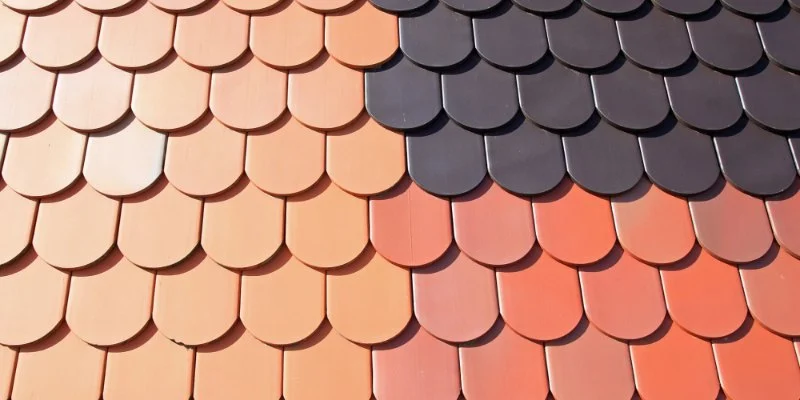
- Importance of Roof Color in Energy Efficiency
- Light vs Dark Roof Colors
- Reflective Roof Materials for Better Efficiency
- How Climate Affects Roof Color Choices
- Expert Roofing Advice for Maximum Energy Savings
Importance of Roof Color in Energy Efficiency
When it comes to energy efficiency, most people think about insulation, windows, and HVAC systems. However, the color of your roof plays a crucial role in how well your home retains or loses heat. The right roof color can significantly reduce your energy bills by improving your home's temperature regulation, which is especially important in areas with extreme climates.
In this guide, we’ll explore how roof color impacts energy efficiency, the differences between light and dark-colored roofs, and how to choose the best roof color based on your location and climate conditions. Plus, we'll offer tips on finding the best roofing materials for your energy-efficient needs.

Absolute Roofing / absolute roofing
TimoniumBaltimore CountyMaryland
22 W Padonia Rd # B229, Timonium, MD 21093, USA
Light vs Dark Roof Colors
One of the main factors affecting a roof's energy efficiency is its color. Roofs come in a wide range of colors, and their color affects how much heat is absorbed or reflected by your home. Let’s look at how light and dark roof colors influence energy efficiency:

Rapid Response Roofing / rapid response roofing
East GreenvilleMontgomery CountyPennsylvania
408 State St, East Greenville, PA 18041, USA
1. Light Roof Colors
Light-colored roofs, such as white, light gray, or beige, reflect more sunlight and absorb less heat compared to dark-colored roofs. This makes them ideal for homes located in warmer climates, where reducing heat absorption can help lower cooling costs. A light-colored roof can keep your home cooler by reflecting sunlight, allowing your air conditioning to work more efficiently and lowering energy consumption.
2. Dark Roof Colors
On the other hand, dark-colored roofs, such as dark brown, black, or slate, tend to absorb more heat from the sun. While this might sound counterintuitive for energy efficiency, dark roofs can actually be beneficial in colder climates. During winter months, a dark roof can help trap heat within your home, reducing heating costs. However, dark roofs may not be suitable for hot climates, as they can increase the cooling load and raise air conditioning costs.
Reflective Roof Materials for Better Efficiency
In addition to color, the material used for roofing can also have a significant impact on energy efficiency. Reflective roofing materials, also known as "cool roofs," are designed to reflect more sunlight and absorb less heat, regardless of the color. These materials often have reflective coatings that increase their ability to reflect UV rays and infrared light, helping to keep your home cooler in hot climates.
Some of the best reflective roofing materials include:
- Metal roofing with reflective coatings
- Reflective asphalt shingles
- Clay or concrete tiles with reflective surfaces
- EPDM (ethylene propylene diene monomer) rubber roofing for flat roofs
When combined with a lighter color, these materials offer maximum energy efficiency by reflecting sunlight and reducing the heat island effect around your home. In some cases, installing a cool roof may even qualify for energy-efficiency tax credits or rebates.
How Climate Affects Roof Color Choices
Your location and climate play a significant role in determining the best roof color for energy efficiency. Below are a few general guidelines for selecting the right roof color based on your local climate:
1. Hot and Sunny Climates
If you live in a hot and sunny climate, such as the Southwest or Southern regions of the U.S., a light-colored roof with reflective materials is your best choice. A light-colored roof can reduce the amount of heat absorbed by your home, lowering your cooling costs. It’s also beneficial for homes with air conditioning, as it helps to maintain a cooler indoor environment.
2. Cold Climates
In colder climates, such as the Northern U.S., a darker-colored roof may be more advantageous. Dark roofs absorb more heat, which can help keep your home warmer during the winter months, reducing heating costs. However, it’s still important to balance the heat absorption with proper insulation and ventilation to avoid excessive heat buildup in the summer.
3. Moderate Climates
If you live in a region with moderate temperatures, such as the Pacific Northwest or parts of the Midwest, you have more flexibility when choosing your roof color. A mid-range color like light brown or gray can provide a balance between energy efficiency and aesthetics. It can help with both heat absorption during winter and heat reflection during summer, making it an ideal choice for regions with varying weather conditions.
Expert Roofing Advice for Maximum Energy Savings
Choosing the right roof color and material is just one step in maximizing your home’s energy efficiency. It's important to consult with a professional roofer who can evaluate your home’s needs and recommend the best roofing solutions for your climate. At Pro Found Roofing, we specialize in energy-efficient roofing solutions that can help reduce your energy bills while keeping your home comfortable all year round.
For more information on selecting the best roof color for energy efficiency, or to schedule an expert consultation, visit Pro Found Roofing today!

 Gallery Built Roofing5.0 (36 reviews)
 Roof Repair Experts Los Angeles5.0 (24 reviews)
 Legacy Roofing & Exteriors4.0 (16 reviews)
 Hard Hatters Roofing Services5.0 (93 reviews)
 Polk Contracting, Inc.4.0 (75 reviews)
 Federation United Roofing5.0 (2 reviews)
 What to Do When Your Roof Fails a Home Inspection – Repair and Replacement Tips
 How to Repair a Hole in the Roof from a Fallen Tree Branch
 The Benefits of a Cool Roof for Urban Areas Reducing the Heat Island Effect
 The Best Time to Paint a Metal Roof for the Best Adhesion and Longevity
 What is a Roofing Warranty? Understanding Manufacturer vs. Contractor Warranties
 How to Prevent Roof Damage from Freezing Rain and Sleet in the Winter