 <><><><>
- 1- Introduction
- 2- Signs of Poor Roof Installation
- 3- Roofing Inspection Tips
- 4- Common Roofing Issues
- 5- When to Call a Professional
- 6- Maintaining Your Roof
1. Introduction
When it comes to your home, the roof is one of the most important components, providing essential protection from the elements. But how do you know if your roof was installed properly? A poorly installed roof can lead to leaks, higher energy bills, and costly repairs in the future. In this article, we will explore how to tell if your roof was installed properly, common signs of poor installation, and tips for inspecting your roof to ensure it meets quality standards.

Holden Roofing (Houston Corporate) / holden roofing
RosenbergFort Bend CountyTexas
2128 1st St, Rosenberg, TX 77471, USA
2. Signs of Poor Roof Installation
It's not always easy to spot poor installation, especially if you're not an expert in roofing. However, there are several common signs that indicate your roof may have been installed improperly:
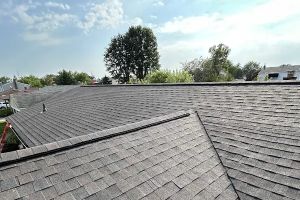
Victors Home Solutions / victors roofing
2722 E Michigan Ave suite 239, Lansing, MI 48912, USA
1. Visible Gaps or Lifting Shingles
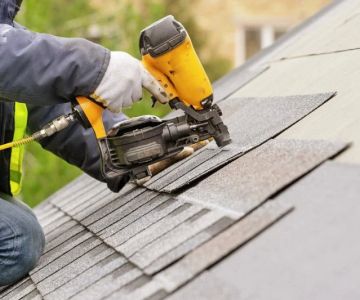
One of the most obvious signs of poor installation is when shingles are not properly aligned or secured, leading to visible gaps or shingles that lift. This can be caused by improper nailing, insufficient underlayment, or using the wrong type of shingles for your roof's pitch.
2. Water Leaks or Staining
If you notice water stains on your ceiling or walls, it's a clear indication that your roof might not have been installed correctly. Leaks can occur when flashing isn't sealed properly, shingles are misaligned, or the roof structure is damaged.
3. Inconsistent Shingle Overlap
Shingles are designed to overlap slightly to ensure water flows off the roof. If the shingles are installed without sufficient overlap, it can lead to water pooling under the shingles and ultimately causing damage to the roof structure.
3. Roofing Inspection Tips
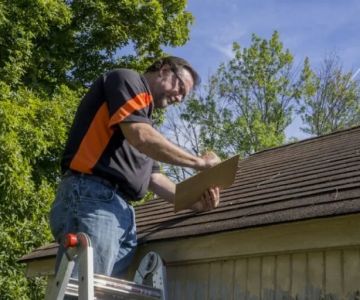
Regular roof inspections are essential for maintaining the integrity of your roof. Here's how you can inspect your roof to check if it's been installed properly:
1. Inspect from the Ground
Before climbing onto your roof, take a look at it from the ground. Use binoculars to check for any visible damage or issues, such as unevenness, missing shingles, or areas that look worn out. Check for any sagging areas, which could indicate structural issues.
2. Check for Proper Shingle Alignment
Take a close look at the edges of the shingles to see if they are properly aligned. Uneven or wavy shingles can be a sign of improper installation or that the shingles are too old and need replacing.
3. Inspect Flashing and Valleys
Flashing is used around roof penetrations, such as chimneys or vents, to prevent leaks. Make sure the flashing is securely attached and sealed around these areas. Check the valleys of the roof, as water tends to collect there, and improper installation can cause leaks.
4. Common Roofing Issues
Besides poor installation, there are other common roofing issues that homeowners may encounter over time. These issues can be a result of wear and tear, environmental factors, or poor materials:
1. Roof Shrinkage
Roof shrinkage is often caused by poor-quality materials or improper installation. When roofing materials shrink, they can create gaps and expose the underlying structure to the elements, which leads to leaks and water damage.
2. Roof Blisters
Roof blisters are air pockets that form under the roofing materials. They can occur when the roof is improperly ventilated or when moisture gets trapped under the surface. Blisters can lead to leaks and damage if left unchecked.
3. Damaged Gutters
Improper roof installation can lead to damaged gutters or insufficient drainage. Gutters are essential for directing water away from the roof, so a malfunctioning gutter system can result in water pooling and damaging the roof and foundation of your home.
5. When to Call a Professional
If you notice any of the signs mentioned above or if you're unsure about the quality of your roof installation, it's time to call a professional roofer. A licensed roofing contractor can conduct a thorough inspection, identify potential problems, and make recommendations for repairs or improvements. Don't wait until it's too late—proactive maintenance and timely repairs can save you money in the long run.
6. Maintaining Your Roof
Proper maintenance can extend the life of your roof and help you avoid costly repairs. Here are some tips for keeping your roof in good condition:
1. Regular Inspections
Inspect your roof at least twice a year, especially after storms or extreme weather. Early detection of problems can prevent more serious damage down the line.
2. Clean Gutters
Keep your gutters clean and clear of debris. Clogged gutters can lead to water buildup and cause leaks or damage to your roof.
3. Trim Overhanging Trees
Trim any trees that hang over your roof. Falling branches can damage your roof and cause unnecessary wear over time.
In conclusion, ensuring your roof is installed properly is crucial for maintaining the safety and efficiency of your home. Regular inspections, awareness of common issues, and timely repairs are key to ensuring that your roof remains in top condition. For expert advice and quality roofing services, visit Pro Found Roofing, where you can find the best solutions for your roofing needs.
 Hastings Roofing Inc4.0 (32 reviews)
 Best Roofing LA5.0 (20 reviews)
 PRO MASTER CONSTRUCTION NJ LLC5.0 (16 reviews)
 Darcy Roofing LLC4.0 (5 reviews)
 Rockwell Roofing5.0 (4 reviews)
 Glick's Exteriors4.0 (25 reviews)
 The Impact of Shade from Solar Panels on Moss Growth Underneath Them
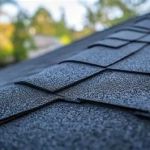 Understanding Roof Flashing: What It Is and Why It Matters for U.S. Homes
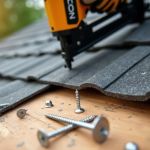 What is a Roofing Nail? The Right Type, Size, and Number for a Secure Roof
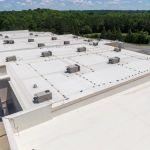 How to Choose Between TPO and PVC Roofing | Expert Roofing Guide
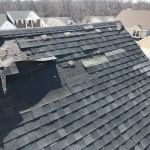 How to Get a Free Roof Inspection: What’s Included and What’s Not
 What is a Roofing Warranty? Understanding Manufacturer vs. Contractor Warranties