
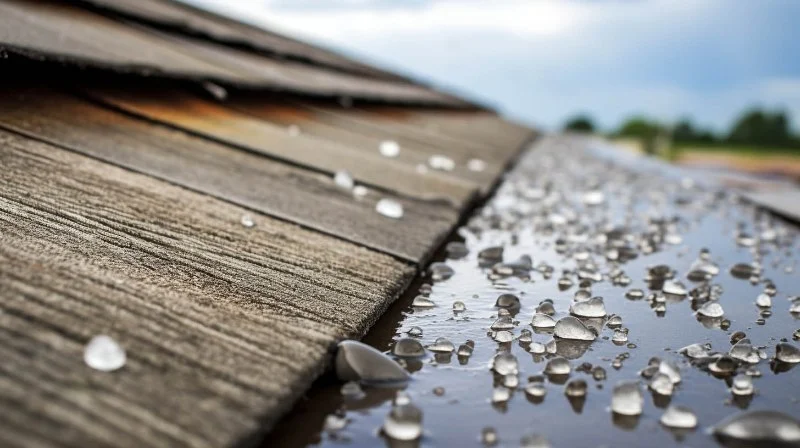
- Introduction to Hail Damage on Roofs
- How Hail Damages Your Roof
- Effects of Hail Damage on Roof Performance
- How Hail Reduces Roof Lifespan
- Preventing Future Hail Damage
Introduction to Hail Damage on Roofs
Hail storms are a common weather occurrence that can have significant effects on your roof’s health and overall performance. The impact of hail on your roof may not always be immediately visible, but over time, it can significantly reduce its lifespan and effectiveness in protecting your home. Understanding how hail damage affects your roof and recognizing the warning signs can help you take proactive steps to maintain the integrity of your roofing system.
This article explores how hail can damage different types of roofing materials, the long-term effects it can have on your roof's performance, and what you can do to prevent and repair hail damage. Whether you live in an area prone to hail storms or you’re simply looking to understand roof care better, this guide is for you.
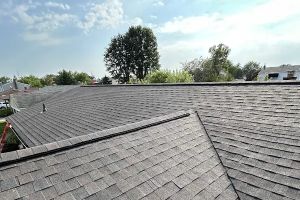
Victors Home Solutions / victors roofing
2722 E Michigan Ave suite 239, Lansing, MI 48912, USA
How Hail Damages Your Roof
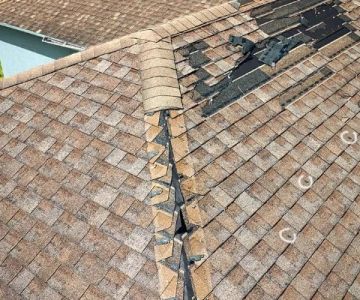
Hailstones, depending on their size and velocity, can cause a range of damage to your roof. Small hailstones may create minor dents or dings, while larger ones can lead to more severe issues like cracking, puncturing, or dislodging shingles. Here’s how hail causes damage:
- Puncturing or Cracking: Larger hailstones, particularly those above 1 inch in diameter, can cause cracks or punctures in roofing materials. This exposes the underlying layers of the roof to the elements, increasing the likelihood of leaks.
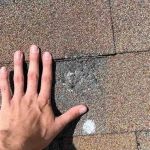
- Granule Loss: Asphalt shingles are especially vulnerable to hail damage. The impact of hail can dislodge the granules on the surface of the shingles, which are responsible for protecting the roof from UV rays. Loss of granules leads to faster aging of the shingles and decreased UV protection.
- Compromising Structural Integrity: When hail impacts your roof repeatedly, especially over several seasons, it can weaken the overall structure. Deterioration of the roofing materials may result in a less effective defense against rain and wind.
It's important to note that the severity of hail damage can vary based on the roofing material. For instance, metal roofs tend to fare better in hail storms compared to traditional asphalt shingles or tile roofing.
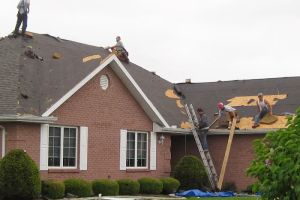
Lance Roofing & Siding Inc. / lance roofing and siding
6903 Dayton Springfield Rd, Enon, OH 45323, USA
Effects of Hail Damage on Roof Performance
Over time, hail damage impacts more than just the aesthetics of your roof—it also affects its overall performance in several ways:
- Water Leaks: Cracks and punctures caused by hail create openings for water to seep into the home. These leaks, even if small, can lead to serious water damage inside the house, affecting ceilings, walls, insulation, and electrical systems.
- Decreased Energy Efficiency: Damaged roofs provide less insulation, leading to increased energy bills. With compromised roofing materials, your home may experience poor temperature regulation, forcing your HVAC system to work harder.
- Increased Maintenance Costs: Roofs that have sustained hail damage require more frequent inspections, repairs, and replacements. Even if the damage doesn’t seem severe at first, it can accumulate over time, leading to expensive repairs later.
How Hail Reduces Roof Lifespan
Hail can drastically shorten the lifespan of your roof. Here’s how:
- Faster Deterioration: Continuous exposure to the elements following hail damage accelerates the natural deterioration process. A roof that is hit by hail may need to be replaced years earlier than it otherwise would have.
- Water Damage: Once a roof is compromised, the internal layers become vulnerable to water infiltration. Over time, trapped moisture can cause rot, mold, and mildew, all of which further weaken the roof and reduce its lifespan.
- Expedited Shingle Aging: As granules are lost and the structural integrity of shingles weakens, the roof’s ability to protect your home diminishes. This results in the roof wearing out prematurely and requiring replacement sooner than expected.
Roof materials, such as metal, slate, and tile, can withstand hail damage better and last longer compared to materials like asphalt shingles, which may need replacement after several rounds of heavy hail.
Preventing Future Hail Damage
While you can’t prevent hail storms, there are steps you can take to minimize the damage to your roof:
- Choose Hail-Resistant Roofing Materials: If you’re building a new roof or replacing your existing one, consider using materials that are more resistant to hail, such as impact-resistant shingles, metal, or concrete tiles.
- Regular Inspections: Have your roof inspected regularly, especially after hail storms, to detect any damage early. Catching small issues before they become major problems can save you a lot of money in repairs.
- Roof Reinforcement: In some cases, adding extra reinforcement to the roof structure can help it withstand hail impacts better, particularly in areas where hailstorms are frequent.
By taking these preventive measures, you can ensure your roof stays in top condition for as long as possible, reducing the long-term impact of hail damage.
If you’re concerned about hail damage or need a professional inspection, contact Pro Found Roofing for expert roofing services and advice. Our team can help you understand your options for hail-resistant materials, maintenance, and repairs to keep your home safe from the next storm.
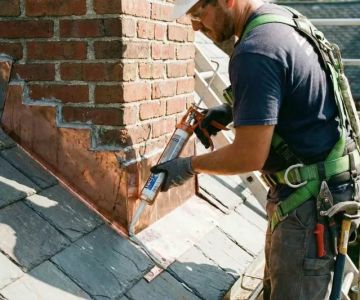

 Telge Roofing4.0 (534 reviews)
 Hamlin Co3.0 (6 reviews)
 Nathink3.0 (1 reviews)
 Q17 Roofing4.0 (42 reviews)
 Norflok Roofing Services5.0 (11 reviews)
 GA Commercial Roofing LLC5.0 (1 reviews)
 How to Install Step Flashing Where a Roof Meets a Sidewall
 Metal Roofs vs. Asphalt Shingles: What's Best for Your U.S. Home?
 How to Spot Hail Damage on Different Roofing Types (Asphalt, Metal, Tile)
 Best Tips to Avoid Common Roof Repair Mistakes | Pro Found Roofing
 How to Choose the Best Roof Color for Energy Efficiency
 Top Mistakes Homeowners Make During Roof Repairs