- 1-Understanding Roofing Scams and How They Work
- 2-Common Roofing Fraud Scenarios to Watch Out For
- 3-How to Avoid Roofing Scams and Fraudulent Contractors
- 4-How to Verify a Roofing Contractor's Credibility
- 5-Real Life Case Study: Dealing with Roofing Scams
1. Understanding Roofing Scams and How They Work
Roofing scams are more common than most homeowners realize, and they often target vulnerable individuals who are in need of roof repairs or replacements. These scams can range from low-quality work to outright fraud, where dishonest contractors take your money without performing any actual work.
Scammers often use high-pressure tactics to convince homeowners that their roof is in immediate need of repair, even when it may not be. They may offer "too good to be true" deals or promise work that seems unnecessary, only to perform subpar services or disappear entirely after receiving payment.
Understanding how roofing scams work can help you recognize the red flags early and protect yourself from financial loss. By being informed, you can take the necessary steps to avoid falling victim to these fraudulent contractors.

Holden Roofing (Houston Corporate) / holden roofing
RosenbergFort Bend CountyTexas
2128 1st St, Rosenberg, TX 77471, USA
2. Common Roofing Fraud Scenarios to Watch Out For
Roofing fraud can take many forms, and it's essential to recognize the most common tactics used by scammers. Here are some of the most prevalent roofing fraud scenarios you should be aware of:
Lance Roofing & Siding Inc. / lance roofing and siding
6903 Dayton Springfield Rd, Enon, OH 45323, USA
1. The “Storm Chaser” Scam
After a storm or significant weather event, scammers may go door-to-door offering "free" roof inspections or repairs. They often claim to work for insurance companies and promise to repair storm damage for a low price. However, once the homeowner pays for the repair or replacement, the contractor may either do shoddy work or disappear entirely.
2. The “Too Good to Be True” Estimate
Another common scam is when a contractor offers an unusually low estimate for roof work, luring homeowners in with promises of a bargain. After the homeowner agrees, the contractor may perform minimal or low-quality work or add hidden fees that weren’t discussed upfront.
3. The "No-Show" Contractor
In some cases, a contractor may take payment upfront but never show up to complete the work. These fraudsters often disappear with the homeowner’s money, leaving the roof in worse shape or not repaired at all.
4. Fake Insurance Claims
Some scammers will falsely claim to be able to handle insurance claims on behalf of the homeowner. They may suggest that the homeowner file a claim with their insurance company for roof damage that doesn’t exist. This scam results in financial loss and possibly legal trouble for the homeowner.
3. How to Avoid Roofing Scams and Fraudulent Contractors
There are several proactive steps you can take to avoid falling victim to roofing scams and fraudulent contractors. Here are some key strategies to help you protect yourself:
1. Get Multiple Estimates
Always get at least three estimates from different roofing contractors before making a decision. This allows you to compare prices and services, and it helps you identify any contractors who may be charging excessively or offering services that are unnecessary.
2. Do Your Research
Before hiring a contractor, take the time to research their reputation. Look for reviews on trusted sites like Google, Yelp, and Better Business Bureau (BBB). Make sure the contractor is licensed, insured, and has a good standing with these organizations.
3. Avoid High-Pressure Sales Tactics
Be cautious of contractors who push you to sign a contract on the spot or pressure you into agreeing to immediate repairs. A legitimate contractor will give you time to review the proposal and discuss the details before committing.
4. Ask for References
Request references from previous clients who have had similar work done. This will give you an idea of the contractor’s quality of work and customer service. Don’t hesitate to follow up with the references to ensure they had a positive experience.
5. Never Pay Full Price Upfront
Never pay the full amount for a roofing job before the work is completed. A reputable contractor will typically ask for a deposit upfront, but the majority of the payment should be made once the job is done to your satisfaction.
4. How to Verify a Roofing Contractor's Credibility
Verifying a contractor’s credibility is essential before hiring them for your roofing project. Here’s how to ensure the contractor you’re considering is legitimate:
1. Check for Licensing and Insurance
Ensure the roofing contractor holds the proper licenses required by your state or municipality. They should also carry liability insurance and workers’ compensation coverage in case of accidents or damage during the job. Always ask to see proof of these credentials.
2. Verify Their Physical Address and Phone Number
Be wary of contractors who don’t have a physical office or verifiable contact information. A legitimate contractor will have a business address and phone number where you can reach them at any time. Do a quick search to verify the address and number are valid.
3. Visit Completed Projects
If possible, ask the contractor if you can visit some of their completed projects or speak to previous clients in person. This gives you a chance to inspect their work firsthand and ask about their experience with the contractor.
4. Ask for a Written Contract
Never work with a contractor who doesn’t provide a written contract that outlines the scope of work, payment terms, and timeline. A detailed contract helps protect both parties and ensures the project is completed as agreed.
5. Real Life Case Study: Dealing with Roofing Scams
John, a homeowner in Florida, recently faced a situation where a roofing contractor knocked on his door claiming to offer storm damage repair services at a discounted price. The contractor promised quick repairs and assured John that his insurance would cover most of the costs. After agreeing to the deal, John paid a hefty deposit, but the contractor never returned to complete the work.
After a few weeks of trying to contact the contractor, John realized he had been scammed. He reported the incident to the authorities and contacted his insurance company to investigate. John learned a valuable lesson about the importance of verifying contractors and avoiding high-pressure sales tactics.
This case emphasizes the importance of being cautious and doing thorough research before hiring a roofing contractor. By following the steps outlined in this article, you can avoid falling victim to roofing scams and ensure your home is in good hands.
If you need help finding a reliable roofing contractor or want to protect yourself from roofing scams, visit Pro Found Roofing for expert advice, trustworthy services, and high-quality roofing solutions.

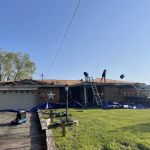 Roofing Done Rite of Cincinnati5.0 (6 reviews)
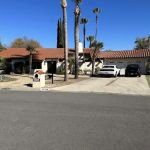 General Mastrix Construction5.0 (1 reviews)
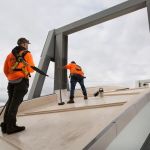 Apollo Primm Commercial Roofing4.0 (13 reviews)
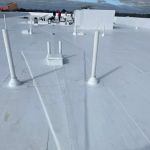 DG ROOFING SERVICES5.0 (2 reviews)
 RVA Exteriors LLC5.0 (13 reviews)
 Anchor Roofing5.0 (178 reviews)
 How to Prevent Roof Damage from Freezing Rain and Sleet in the Winter
 How to Prepare Your Roof for Hurricane or Tornado Season
 How to Handle Emergency Roof Repairs After a Severe Storm or Tree Fall | Pro Found Roofing
 What to Do When Your Roof Fails a Home Inspection
 Green Roofing Solutions for Sustainable Homes in the U.S. | Pro Found Roofing
 How Long Does Roof Installation Take? Complete Timeline for U.S. Homeowners