
- 1. Introduction: Why You Need to Transfer a Roofing Warranty
- 2. Steps to Transfer a Roofing Warranty
- 3. Common Issues in Transferring Roofing Warranties
- 4. How to Ensure a Smooth Transfer
- 5. When to Contact a Professional Roofing Service
1. Introduction: Why You Need to Transfer a Roofing Warranty
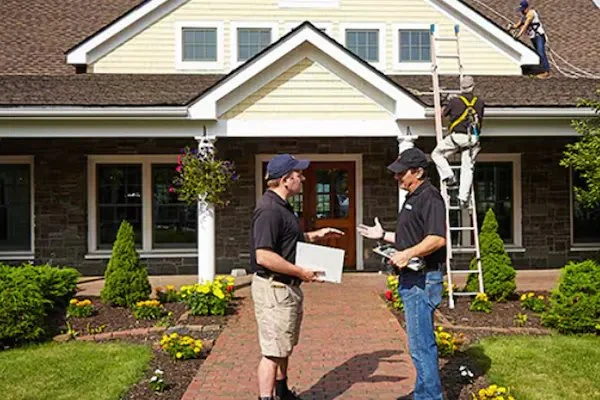
Whether you're buying or selling a home, ensuring that the roofing warranty is transferred to the new homeowner is crucial. A roofing warranty provides long-term protection for your roof, offering peace of mind that any potential issues will be addressed by the manufacturer. However, it’s not automatic for roofing warranties to transfer, and knowing how to properly navigate this process is essential for both parties involved in a real estate transaction.
In this article, we’ll guide you through the steps on how to transfer a roofing warranty to a new homeowner, highlight common issues, and provide tips for ensuring a smooth and successful transfer.

JK Contractors / jk roofing
West BendOzaukee CountyWisconsin
3058 County Rd Y, West Bend, WI 53095, USA
2. Steps to Transfer a Roofing Warranty
Transferring a roofing warranty is a straightforward process, but it requires a bit of attention to detail. Follow these steps to ensure the transfer goes smoothly:
1. Review the Warranty Terms: Before initiating the transfer, carefully review the terms of your roofing warranty. Some warranties have specific clauses regarding the transfer process, and they may require a formal request or specific forms to be filled out.
2. Contact the Manufacturer or Contractor: Reach out to the roofing manufacturer or the contractor who installed your roof. They will provide you with the necessary paperwork and instructions for transferring the warranty.
3. Submit the Required Documents: Complete any required forms, which may include proof of roof installation, details of the new homeowner, and sometimes an inspection report to ensure the roof is in good condition. Be sure to submit the documents within the timeframe specified by the warranty provider.
4. Confirm the Transfer: After submitting the necessary paperwork, confirm with the manufacturer or contractor that the warranty has been successfully transferred to the new homeowner. Keep a copy of the confirmation for your records.
Victors Home Solutions / victors roofing
2722 E Michigan Ave suite 239, Lansing, MI 48912, USA
3. Common Issues in Transferring Roofing Warranties
While transferring a roofing warranty is usually a simple process, there are some common challenges that homeowners might face. Understanding these potential issues can help avoid delays:
1. Not Meeting Transfer Requirements: Some warranties require specific conditions to be met for transfer, such as completing certain maintenance tasks or providing proof of proper roof care. Failure to meet these requirements could result in the transfer being denied.
2. Transfer Fees: Some manufacturers charge a fee to transfer the warranty, which might come as a surprise to both the seller and the buyer. Be sure to check if any fees apply before starting the process.
3. Limited Warranty Coverage: In some cases, warranties may not transfer to a new homeowner at all, or they may be limited in scope. This can be problematic if the roof is still under warranty, so it’s important to confirm the terms early on.
4. How to Ensure a Smooth Transfer
To avoid any hiccups during the transfer process, follow these tips:
1. Stay Ahead of Deadlines: Manufacturers and contractors may have strict deadlines for warranty transfers, typically within a few months of the sale. Start the process early to avoid missing important dates.
2. Keep All Relevant Documentation: Ensure that you have all documentation related to your roof, including the original warranty, proof of purchase, installation receipts, and any maintenance records. Having these documents on hand will help streamline the transfer process.
3. Consult a Roofing Professional: If you’re unsure about any part of the process, consulting with a professional roofing company can provide clarity. They can also assist with inspections and ensuring that the roof is in optimal condition for transfer.
5. When to Contact a Professional Roofing Service
While transferring a warranty can often be done without much difficulty, there are times when you’ll need to reach out to a professional. Here are some scenarios when professional help might be necessary:
1. Roof Repairs or Inspections: If the warranty requires an inspection or repair before transfer, hiring a roofing service to perform the necessary work is essential. They can also provide a detailed report of the roof’s condition, which is often required by warranty providers.
2. Issues with the Transfer Process: If the transfer is being delayed or there are complications with the documentation, a professional roofing company can help resolve the issue. They often have experience working with warranty providers and can facilitate the process.
3. Unclear Warranty Terms: If the warranty terms are unclear, consulting a roofing professional can help you understand the specifics of the coverage, what’s included, and how the transfer works.
Transferring a roofing warranty successfully ensures that the new homeowner enjoys continued protection for their roof, which is crucial for both property value and peace of mind. By following these steps, understanding potential issues, and seeking professional help when needed, you can ensure a smooth and hassle-free process.
For all your roofing needs, visit Pro Found Roofing for expert guidance, top-notch roofing services, and assistance with warranty transfers.

 Jay's Roofing And Siding4.0 (27 reviews)
 nj affordable commercial roofing3.0 (10 reviews)
 Hornsby Roofing LLC5.0 (135 reviews)
 Holmes Roofing LLC5.0 (1 reviews)
 Buck Homes LLC4.0 (30 reviews)
 Tucker's Family Roofing5.0 (2 reviews)
 The Best Time to Replace Your Roof: Spring and Fall Weather Windows
 The Best Time to Inspect Your Roof for Damage: Spring and Fall Checklists
 How to Prevent Roof Damage from Clogged Gutters and Downspouts
 The Signs of a Roof That is Not Properly Vented: Rusty Nails and Damp Insulation
 The Best Roofing Materials for a Home in a Wildfire-Prone Area (Class A)
 What to Do When Your Roof Fails a Home Inspection – Expert Tips and Solutions