The Best Time to Inspect Your Roof for Damage: Spring and Fall Checklists
- 1. Why Roof Inspections Are Important
- 2. Spring Roof Inspection Checklist
- 3. Fall Roof Inspection Checklist
- 4. Signs You Need a Roof Repair
- 5. How Often Should You Check Your Roof?
1. Why Roof Inspections Are Important
Your roof is one of the most critical parts of your home, providing protection from the elements and keeping your living space safe and comfortable. Over time, however, your roof can experience wear and tear due to weather, debris, and other environmental factors. Regular roof inspections are essential to identify potential issues early and prevent costly repairs down the line.
Two of the best times to inspect your roof are during the spring and fall. These seasons provide the ideal conditions for checking for damage and preparing your roof for the harsher weather that can come with the summer and winter months. In this article, we’ll cover why spring and fall are the best times to inspect your roof and what to look for during these inspections.

Rapid Response Roofing / rapid response roofing
East GreenvilleMontgomery CountyPennsylvania
408 State St, East Greenville, PA 18041, USA
2. Spring Roof Inspection Checklist
Spring is a great time to inspect your roof because it allows you to assess any damage caused by the winter months, such as heavy snow, ice dams, and strong winds. Here’s a checklist to follow during your spring roof inspection:

Holden Roofing (Houston Corporate) / holden roofing
RosenbergFort Bend CountyTexas
2128 1st St, Rosenberg, TX 77471, USA
Check for Missing or Damaged Shingles
The harsh conditions of winter can cause shingles to become loose, cracked, or completely blown off. Inspect your roof for missing or damaged shingles to prevent leaks from developing as the spring rains begin.
Inspect Flashing and Seals Around Vents
Flashing and seals around vents are essential to keeping water from entering your home. Check for any signs of deterioration or damage in these areas, as they can lead to water infiltration if left unaddressed.
Look for Moss or Algae Growth
Spring weather can bring moisture, which may encourage moss or algae growth on your roof. These can trap moisture, leading to further damage if not removed. Use a gentle cleaner or hire a professional to remove these growths if necessary.
3. Fall Roof Inspection Checklist
Fall is another key time to inspect your roof, as it prepares your home for the winter months ahead. Here’s what to focus on during your fall inspection:
Clear Leaves and Debris
Falling leaves and debris can block gutters and downspouts, preventing proper water flow. Check your gutters and remove any leaves or debris to avoid ice dams and water damage during the winter months.
Examine the Roof for Wear and Tear
Check the roof for any visible signs of wear and tear, such as cracked shingles, loose nails, or worn-out flashing. Fall is a good time to address these issues before they become more significant problems in the cold months.
Check for Ice Dam Prevention
Ice dams can form on your roof in winter, leading to water damage inside your home. Make sure your roof has proper insulation and ventilation to prevent these issues. If you notice signs of ice dams forming, consider installing heated cables or getting professional advice.
4. Signs You Need a Roof Repair
While performing your spring and fall inspections, there are several signs that indicate it’s time to schedule a roof repair or replacement:
Leaks and Water Stains
Water stains on your ceiling or walls are a clear sign that your roof may have a leak. Inspect your roof thoroughly for any cracks or holes that may be letting water in.
Damaged Shingles
As mentioned earlier, missing or damaged shingles can expose your home to leaks and further damage. If you notice any cracked or curled shingles, they should be replaced as soon as possible to prevent more significant issues.
5. How Often Should You Check Your Roof?
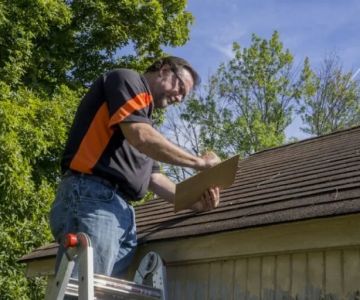
Roof inspections are crucial, but how often should you conduct them? It’s recommended to perform a roof inspection at least twice a year—once in the spring and once in the fall. However, if you live in an area prone to severe weather, such as heavy storms or high winds, it’s a good idea to inspect your roof more frequently.
Additionally, after any major storms, it’s important to check your roof for immediate damage to ensure it’s still in good condition. If you’re not comfortable inspecting your roof yourself, consider hiring a professional roofer to perform an inspection.
Conclusion
Inspecting your roof in both spring and fall is essential to keeping your home protected from the elements. By following the checklists for each season and addressing any issues promptly, you can ensure your roof remains in top condition throughout the year. Don’t wait until a major leak occurs—regular roof inspections can help you catch small problems before they become expensive repairs.
For more tips on roof maintenance or to schedule a professional roof inspection, visit Pro Found Roofing for trusted roofing services and product recommendations.

 AZ Roofing4.0 (145 reviews)
 Top Notch Brandon Roofing5.0 (25 reviews)
 SR Builders4.0 (62 reviews)
 Midwest Building Solutions4.0 (36 reviews)
 Sunflo Roofing - Orlando4.0 (115 reviews)
 Hammond Roofing5.0 (6 reviews)
 How to Choose a Roofing Contractor Who is an Authorized Installer for the Brand
 How to Install Roofing Underlayment on a Roof with a Very Low Pitch
 Understanding Roofing Ventilation Systems and Why They Matter for U.S. Homes
 Best Time to Replace or Repair Your Roof – Expert Advice
 The Best Time of Year to Replace or Repair Your Roof | Pro Found Roofing
 Does Your Roof Need Additional Ventilation? Signs of Poor Airflow in Your Attic