
How to Prepare Your Home for a Roof Replacement
On this page
Quick answer
Before roof replacement, confirm the scope, schedule, weather plan, access, deliveries, cleanup, and contact person. Move vehicles and outdoor valuables away from the house, protect dusty attic contents, secure children and pets indoors or off-site, and identify fragile landscaping and utilities. During work, respect the contractor’s falling-object zone and review cleanup, photos, and open issues each day.

Rapid Response Roofing / rapid response roofing
East GreenvilleMontgomery CountyPennsylvania
408 State St, East Greenville, PA 18041, USA
Confirm the plan before scheduling
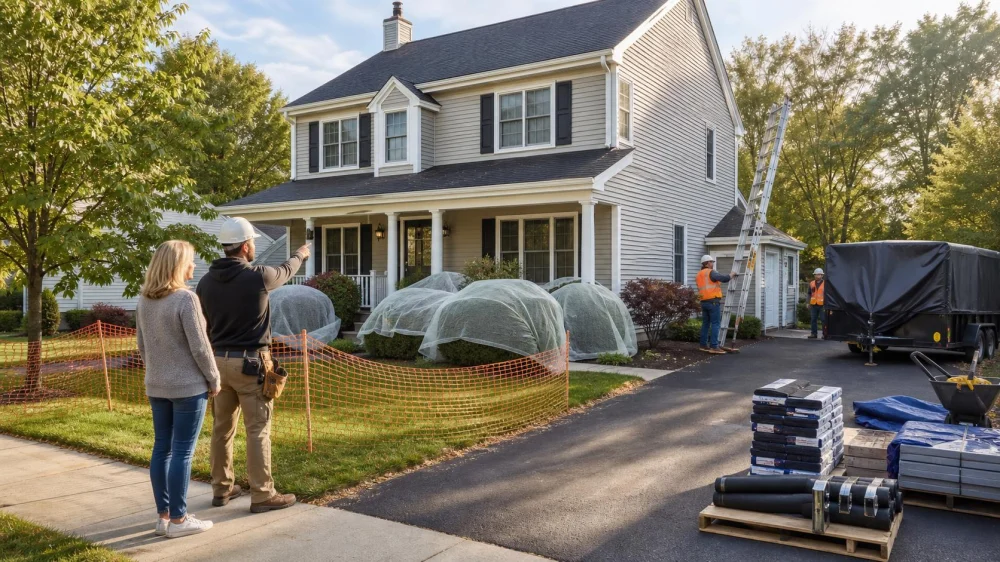
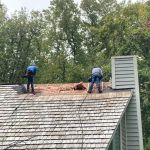
A roof replacement work zone includes the roof, access routes, material and waste areas, and ground below where tools or debris could fall. Ask the contractor to mark this zone before the crew arrives.
- Written scope, products, colours, layers, flashing, ventilation, and decking allowances.
- Permit responsibility and required inspections.
- Planned start, estimated duration, daily work hours, and weather-delay communication.
- Material delivery, dumpster or trailer placement, and driveway load protection.
- Power, water, restroom, and property-access expectations.
- Primary supervisor and an after-hours emergency contact.
- Daily and final cleanup, including magnetic nail collection.
Prepare the attic and interior
- Photograph attic contents, ceilings, and walls before work.
- Remove fragile or valuable objects from the attic.
- Cover remaining stored items with breathable protective sheeting while keeping vents and equipment clear.
- Remove loosely hung pictures, mirrors, and shelf items where vibration is a concern.
- Keep attic access unobstructed if inspection may be required.
- Point out alarms, sprinklers, recessed lights, wiring, ducts, and equipment close to the roof deck.
Nailing and tear-off can dislodge dust and small debris. Covering contents is useful; sealing combustion appliances or blocking ventilation is not. Ask the contractor when a specialist is needed.

JK Contractors / jk roofing
West BendOzaukee CountyWisconsin
3058 County Rd Y, West Bend, WI 53095, USA
Prepare the yard and driveway
- Move vehicles, bicycles, grills, furniture, toys, planters, and decorations beyond the agreed work zone.
- Unlock required gates and identify irrigation heads, low lighting, septic components, and delicate surfaces.
- Trim only branches that the contractor identifies as blocking access; use a qualified tree professional when needed.
- Mow long grass shortly before work so dropped fasteners are easier to find.
- Close windows and protect pools, hot tubs, air-conditioning equipment, and fragile plants using the agreed method.
- Tell neighbours about expected noise, deliveries, and temporary parking effects.
Do not place your own tarp over operating equipment or permanently bend landscaping. Agree on who installs and removes protection.
Plan for people and pets
Roof work is loud and creates changing hazards around the building. Children and pets should not enter the work zone. A calm off-site location may be best for noise-sensitive pets, people who work from home, and anyone affected by vibration or dust.
Tell the supervisor if someone must enter or leave during work. Use only the route released by the crew. Never walk beneath active tear-off, hoisting, or ladder access, and do not approach workers on the roof.
Mark utilities and fragile systems
Identify overhead power lines, exterior outlets, solar equipment, satellite dishes, antennas, security cameras, low-voltage wiring, natural-gas equipment, and roof-mounted HVAC. Confirm which systems the roofer may handle and which require a licensed trade or provider.
Do not disconnect utility-owned equipment yourself. If solar panels or mechanical units must move, place that work, timing, responsibility, and recommissioning in writing.
Daily work-zone checklist
- Confirm weather and work areas with the supervisor.
- Keep doors, windows, gates, and pets secured as agreed.
- Stay outside barricades and keep delivery paths open.
- Report leaks, vibration damage, or access concerns promptly.
- Ask for progress photos of decking, underlayment, flashing, and ventilation before concealment.
- At day’s end, confirm temporary weather protection, collected debris, secured materials, and tomorrow’s plan.
Final walkthrough
- Review the roof from the ground and inspect accessible interior areas.
- Confirm flashings, vents, gutters, siding, and landscaping were addressed in the scope.
- Check driveway, lawn, attic, and entrances for debris or damage.
- Verify that removed equipment has been reconnected and tested by the responsible party.
- List incomplete items in writing with dates and responsibilities.
- Collect permit closeout, inspection records, paid invoice, photos, product details, and warranty registrations.
Limitations and important notes
Preparation varies with roof height, access, material, weather, landscaping, attached structures, solar equipment, and local rules. The contractor controls its worksite and safety plan; homeowners should not direct crew methods or enter restricted areas.
Stop and contact the supervisor for active interior water, damaged electrical equipment, unsecured materials, or a person entering a dangerous zone. Call emergency services for immediate threats to life, fire, electrical arcing, or structural collapse.
Frequently asked questions
Do I need to leave home during roof replacement?
Often it is not mandatory, but noise, vibration, access limits, children, pets, remote work, and individual health needs may make leaving preferable. Agree on safe occupancy with the contractor.
Should cars be moved?
Yes, move them beyond delivery, dumpster, ladder, and falling-debris zones before the crew arrives. Keep keys available if local parking rules require movement.
Will roofing damage attic belongings?
Dust and small particles can fall during tear-off and nailing. Remove valuables and cover appropriate items, but do not block vents or equipment.
Who handles nails after the job?
The contract should specify cleanup and magnetic sweeping. Homeowners should still wear shoes outdoors and report remaining debris for follow-up.
Sources and evidence notes
This checklist reflects common professional project-planning and jobsite-separation practices. It does not replace the contractor’s site-specific safety plan, manufacturer installation instructions, local permit requirements, or guidance from utility and equipment providers.
Next steps
Walk the property with the contractor several days before delivery. Photograph existing conditions, mark access and fragile areas, decide where people and pets will stay, and write down the daily communication and cleanup plan. Recheck the route the evening before work begins.



 Lyons Roofing Co.4.0 (118 reviews)
 Scottys Roofing & Repair LLC5.0 (15 reviews)
 MAE Contracting LLC5.0 (33 reviews)
 Rare breed construction5.0 (1 reviews)
 Adept Construction Roofing4.0 (26 reviews)
 Clover construction3.0 (2 reviews)
 How to Deal With Water Damage From Roof Ice Dams
 The Average Cost of a Cedar Shake Roof: Installation and Maintenance Over Time
 The Average Lifespan of an Asphalt Shingle Roof in Different Climate Zones
 How to Repair a Leaking Roof on a Bay Window with Complex Angles
 The Benefits of a Stone-Coated Steel Roof: The Look of Shake with Metal Durability
 How to Finance a New Roof Without Breaking the Bank