
Roof Nail Pops: Document Clues Before a Contractor Visit
On this page
- Quick answer
- Understand what the clue may mean
- Do not climb up to press it down
- Build a useful observation record
- Check accessible indoor clues
- Know when to call promptly
- Ask the contractor focused questions
- Expect more than a cosmetic tap
- Limits and important notes
- Frequently asked questions
- Sources and evidence notes
- Conclusion and next steps
Quick answer
If you suspect roof nail pops, stay off the roof. From the ground or a safe window, photograph raised tabs, small bumps, displaced shingles, rust staining, or debris, and note weather and leak timing. Protect indoor finishes from active water without entering a damaged attic. Contact a qualified roofing contractor to identify whether the cause is a fastener, deck movement, installation issue, heat and moisture condition, or something else. Ask for the repair scope and warranty effect in writing.

JK Contractors / jk roofing
West BendOzaukee CountyWisconsin
3058 County Rd Y, West Bend, WI 53095, USA
Understand what the clue may mean
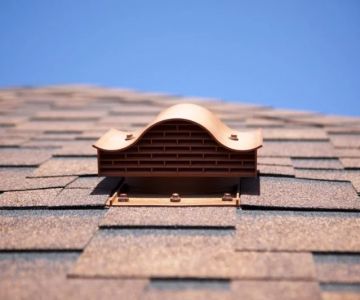
A nail pop commonly describes a fastener backing upward or creating a raised area under or through a shingle. Similar-looking bumps can come from deck irregularities, trapped debris, manufacturing features, blistering, impact, or movement in the roof assembly.
A ground-level view cannot confirm the cause. The contractor may need to examine fastening, shingle condition, sheathing, underlayment, ventilation, and moisture before recommending a repair.

Rapid Response Roofing / rapid response roofing
East GreenvilleMontgomery CountyPennsylvania
408 State St, East Greenville, PA 18041, USA
Do not climb up to press it down
Roofs can be slippery, fragile, steep, electrically hazardous, and damaged beyond what is visible. Walking near a raised shingle can worsen tears or create a fall risk. Pressing or hammering through the surface can puncture materials and affect warranties.
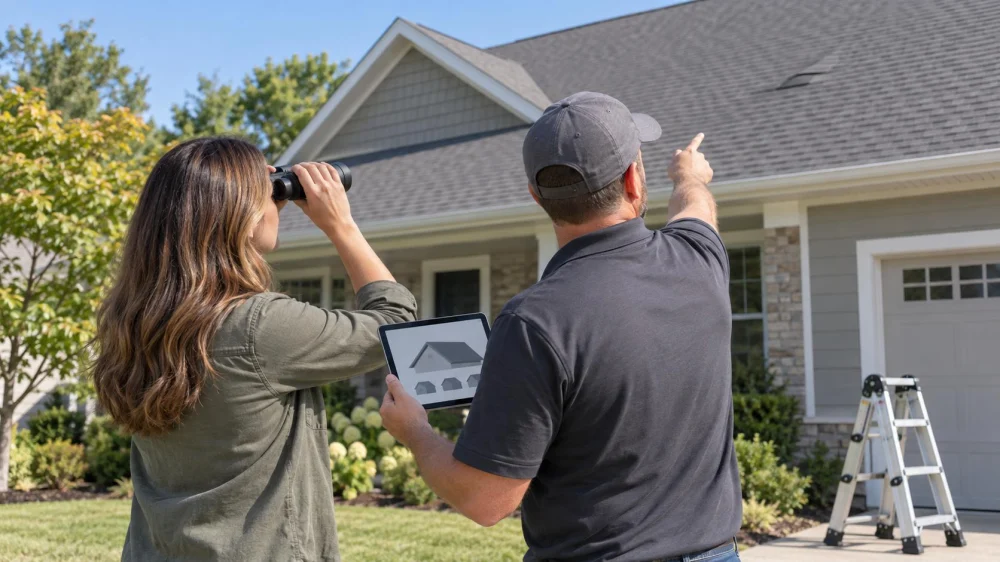
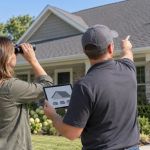
Use binoculars or a camera zoom from stable ground. If a shingle or object may fall, keep people and vehicles away from the area and call a contractor promptly.
Build a useful observation record
- Photograph the whole roof slope and the suspected location.
- Mark the room or exterior wall below it on a simple sketch.
- Note the date, temperature, wind, rain, snow, and recent work.
- Record whether the bump changes with weather.
- Photograph ceiling stains or drips with a scale reference.
- Save installation, repair, inspection, and warranty records.
Check accessible indoor clues
Look for new stains, peeling paint, damp odour, wet insulation, or drips from a safe finished space. If attic access is safe and designed for entry, observe from a stable platform without stepping on drywall, disturbing insulation, or touching wiring.
Contain active drips with a stable container and move belongings. If a ceiling is bulging, wiring is wet, mould is suspected, or the structure appears unsafe, keep clear and contact appropriate emergency or professional help.
Know when to call promptly
Request faster assessment after high wind or impact, when shingles are loose, when multiple bumps appear, when water is entering, or when the roof is new enough for workmanship or material coverage. A single dry-looking bump still deserves planned review before it opens a water path.
For storm damage, contact the insurer according to the policy before permanent work, while taking reasonable steps to prevent further loss.
Ask the contractor focused questions
- What is the confirmed cause and how was it distinguished from similar defects?
- Is the issue isolated or present across the roof?
- Will repair require lifting or replacing shingles and underlayment?
- How will exposed holes and flashing be made watertight?
- Do decking, attic moisture, or ventilation need attention?
- What workmanship and material warranties apply?
- How will the repair be documented and checked?
Expect more than a cosmetic tap
A lasting repair may require removing affected shingles, addressing the fastener or substrate, sealing only where the roofing system permits, and installing compatible replacement materials. Surface caulk alone may hide rather than correct movement.
Ask for photos before, during, and after repair, plus product information and any colour-match limitations. Confirm whether related defects will be included or quoted separately.
Limits and important notes
Not every raised spot is a nail pop, and not every nail pop causes an immediate leak. Age, fastening pattern, deck type, moisture, temperature, wind, impact, and installation all affect diagnosis.
This article is general US homeowner guidance, not an inspection or repair instruction. Building codes, manufacturer requirements, warranty terms, insurance procedures, and a qualified on-site assessment govern a specific roof.
Frequently asked questions
Can I hammer a popped nail back down?
Do not climb up or improvise a repair. A contractor must determine why it moved and restore the roofing assembly without leaving a vulnerable hole.
Will one raised shingle leak?
It may not leak now, but it can create a pathway or worsen. Arrange assessment and monitor indoor clues safely.
Is this covered by a roof warranty?
Coverage depends on cause, installer terms, material warranty, age, maintenance, and notice requirements. Document before repair and contact the responsible parties.
Sources and evidence notes
This article uses general shingle-roof, fastener, leak-documentation, fall-prevention, contract, warranty, and insurance principles. The installed roof system, manufacturer instructions, local codes, contractor assessment, and policy terms determine the correct action.
Conclusion and next steps
Take wide and close photographs from a safe location, note weather and interior clues, and gather roof records. Keep people away from loose materials and protect indoor belongings. Ask a qualified contractor to diagnose the assembly and document a repair that addresses the cause.

 Roofing Company Near Me Deerfield Beach5.0 (33 reviews)
 FRG Construction And Developers Inc.4.0 (14 reviews)
 DBS Roofing and General Contractors4.0 (50 reviews)
 Friendly Roofing5.0 (13 reviews)
 Expert Team Roofers5.0 (1 reviews)
 Greene’s Professional Roofing Services Boca Raton4.0 (45 reviews)
 Roofing Crew Access: Gates, Pets, and Daily Lockup
 Roof Nail Pops: Document Clues Before a Contractor Visit
 Roof Debris After Wind: Record Clues Without Climbing
 Roof Sealant Claims: Separate a Patch From a Lasting Repair
 Fascia and Soffit Repair: Define the Roofing Scope
 Attic Ventilation and Roofing: Calculate Before You Change It