
Understanding the Basics of Roof Ventilation
- roof-ventilation-overview - how ventilation affects attic temperature and roof longevity
- ridge-vent-introduction - design, placement, and airflow mechanics
- box-vent-introduction - structure, installation, and typical applications
- vent-comparison-factors - efficiency, cost, aesthetic, and maintenance
Proper roof ventilation is crucial to maintaining a healthy and energy-efficient home. Attic ventilation helps regulate temperature, reduce moisture buildup, and prevent premature wear on roofing materials. Two of the most common options for residential ventilation are roof ridge vents and box vents. Each has unique advantages and considerations depending on your home's design, climate, and roofing system.

Lance Roofing & Siding Inc. / lance roofing and siding
6903 Dayton Springfield Rd, Enon, OH 45323, USA
What Is a Roof Ridge Vent?
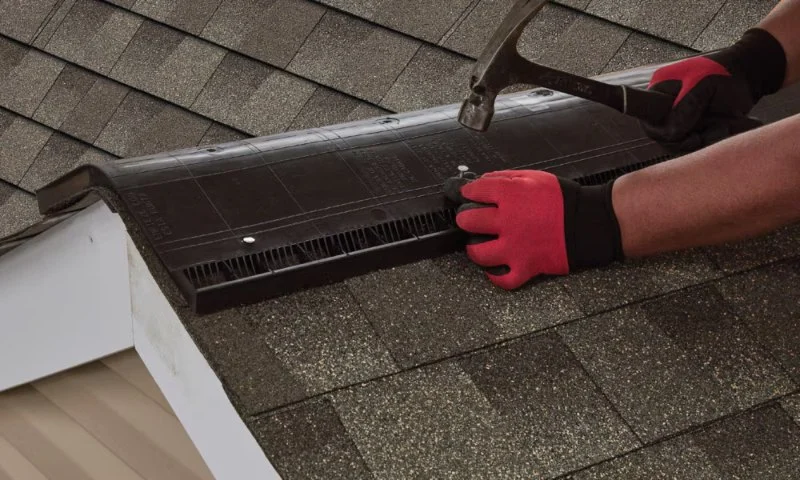
A roof ridge vent is installed along the peak of a sloped roof, running the entire length of the ridge. Its primary function is to allow hot, humid air to escape from the attic naturally, using the stack effect where warm air rises and exits through the vent.
Ridge vents are typically covered by a ridge cap, blending seamlessly with your roofline for an aesthetically pleasing finish. They work best when paired with soffit vents or other intake vents at the lower edges of the roof, creating a continuous flow of air through the attic space.

Rapid Response Roofing / rapid response roofing
East GreenvilleMontgomery CountyPennsylvania
408 State St, East Greenville, PA 18041, USA
Benefits of Ridge Vents
1. Continuous airflow: Ridge vents provide even ventilation along the entire roof, reducing hotspots and minimizing moisture accumulation.2. Energy efficiency: By expelling warm air consistently, ridge vents can reduce cooling costs during hot months.3. Low profile: These vents are less obtrusive and maintain the roof’s clean lines.4. Long-term durability: With fewer moving parts than powered vents, ridge vents typically require minimal maintenance.
What Is a Box Vent?
A box vent, also known as a static roof vent, is a small, square or rectangular unit installed near the ridge but not along its full length. Each box vent allows a localized portion of attic air to escape. Multiple units are often installed depending on the attic size and airflow requirements.
Advantages of Box Vents
1. Cost-effective: Box vents are generally less expensive to install than a continuous ridge vent system.2. Targeted ventilation: They can be placed strategically over areas prone to heat buildup or moisture.3. Simple installation: Ideal for retrofitting older roofs without replacing the entire ridge structure.
Comparing Performance: Ridge Vent vs Box Vent
When evaluating roof ridge vent vs box vent options, several key factors come into play:
1. Airflow Efficiency
Ridge vents provide continuous airflow along the roof’s peak, which generally results in more uniform attic ventilation. Box vents may create isolated ventilation pockets, potentially leaving some areas less ventilated.
2. Installation and Maintenance
Ridge vents require cutting along the entire ridge line and ensuring proper shingle integration, which can be more labor-intensive but results in a maintenance-free solution once installed. Box vents are easier to add individually but may need more frequent inspections to ensure effective airflow.
3. Cost Considerations
Initial costs for ridge vents are higher due to the continuous installation process, but the long-term benefits in energy efficiency often offset this. Box vents are cheaper upfront, but achieving adequate ventilation may require installing multiple units, which can increase cumulative costs.
4. Aesthetic Impact
Ridge vents offer a low-profile appearance that blends with the roofline, maintaining a clean aesthetic. Box vents are more noticeable, which may impact the visual appeal of your home if numerous vents are required.
Real-Life Case Study: Choosing the Right Vent
A homeowner in Phoenix, Arizona, faced extreme summer temperatures that caused their attic to overheat. They consulted Pro Found Roofing for a professional evaluation. The experts recommended a ridge vent combined with soffit intake vents for continuous airflow. Post-installation, attic temperatures dropped significantly, reducing their air conditioning load and improving overall roof lifespan. The homeowner noted the minimal visual impact and the long-term energy savings as major advantages.
When Box Vents Make Sense
Box vents are often recommended for homes where retrofitting a ridge vent would be challenging or prohibitively expensive. For smaller attics or roofs with limited slopes, installing a few strategically placed box vents can effectively alleviate heat and moisture buildup without major structural modifications.
Factors to Consider Before Choosing
1. Roof design: Continuous slopes are ideal for ridge vents, whereas complex or segmented roofs may benefit from box vents.2. Climate: Hotter climates can maximize energy savings with ridge vents.3. Budget: Assess initial installation costs versus long-term energy efficiency.4. Maintenance preference: Ridge vents require minimal attention, while box vents may need occasional debris removal or inspections.
Expert Recommendations
Consulting a professional, like Pro Found Roofing, ensures the chosen ventilation system aligns with your roof design, climate, and long-term goals. They can provide a customized solution combining ridge and box vents if necessary, optimizing airflow and preserving roof integrity.
Conclusion: Making the Best Choice
The decision between a roof ridge vent vs box vent depends on your specific needs, attic configuration, and budget. Ridge vents offer continuous, energy-efficient ventilation with minimal visual impact, while box vents provide cost-effective, localized airflow suitable for retrofit projects. Understanding the differences and consulting professionals ensures optimal roof performance, energy savings, and home comfort for years to come.
For homeowners seeking expert advice or installation services, Pro Found Roofing offers comprehensive consultations, helping select the right ventilation system and ensuring proper installation tailored to your home’s needs.



 Big Boy Roofing5.0 (9 reviews)
 Industrial roofing2.0 (4 reviews)
 Owens Roofing Inc4.0 (4 reviews)
 Windy City Flat Roof Inc4.0 (32 reviews)
 Laursen Roofing5.0 (2 reviews)
 Roof Top Services0.0 (0 reviews)
 The Advantages of Light-Colored Roofs for Energy Efficiency in Warm Climates
 The Environmental Impact of Your Roofing Choices
 How to Identify Storm Damage Before Insurance Inspection
 Choosing Between Residential and Commercial Roofing Solutions
 Preventing Wind Damage: How to Ensure Your Shingles Are Properly Secured | Pro Found Roofing
 Emergency Roof Repair: Steps to Take When Your Roof Starts Leaking