
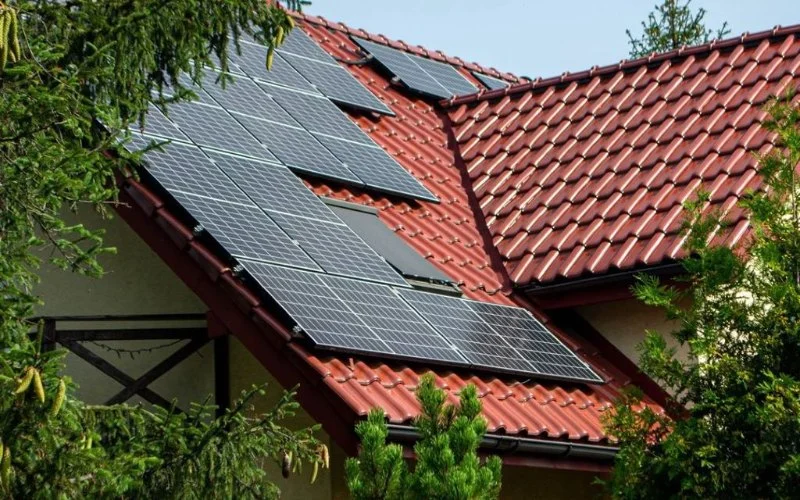
- why-your-roofing-choice-matters-for-the-environment
- life-cycle-impact-of-different-roofing-materials
- asphalt-vs-metal-sustainability-comparison
- cool-roofs-and-energy-efficiency-benefits
- recyclability-and-disposal-considerations
- real-world-example-going-green-with-your-roof
- how-pro-found-roofing-can-help
1. Why Your Roofing Choice Matters for the Environment
Roofing isn't just a matter of aesthetics or durability—it’s a major factor in your home’s environmental footprint. From the production of materials to installation, insulation, and long-term energy use, every decision you make can either reduce or worsen your impact on the planet. In the U.S., roofing materials contribute to significant landfill waste annually, and energy-inefficient roofs drive up both carbon emissions and utility bills.
Absolute Roofing / absolute roofing
TimoniumBaltimore CountyMaryland
22 W Padonia Rd # B229, Timonium, MD 21093, USA
2. Life Cycle Impact of Different Roofing Materials
2.1 Asphalt Shingles: The Common but Costly Choice
Asphalt shingles dominate the residential market because they’re cheap and easy to install. However, they’re petroleum-based, short-lived (typically 15-20 years), and often end up in landfills after one use. Their energy performance is low unless treated with reflective coatings.
Lance Roofing & Siding Inc. / lance roofing and siding
6903 Dayton Springfield Rd, Enon, OH 45323, USA
2.2 Metal Roofing: A Sustainable Upgrade
Metal roofs—especially aluminum and steel—offer durability (50+ years), energy reflectivity, and recyclability. They’re more expensive upfront but tend to save homeowners money over time while reducing environmental impact.
2.3 Slate and Clay Tiles: Natural but Heavy
Clay and slate are natural materials with impressive longevity. However, their high weight requires more energy to transport and install, and not all of them are responsibly sourced. Their carbon footprint depends largely on quarrying practices and logistics.
3. Asphalt vs. Metal: Sustainability Comparison
3.1 Carbon Emissions
Asphalt manufacturing emits more greenhouse gases per square foot compared to metal, due to its oil-based composition. Metal roofing may require more energy to produce, but most of it comes from recycled material, making its carbon cost lower over time.
3.2 Longevity and Waste
Where asphalt might need replacing twice or even three times within the lifespan of one metal roof, this generates significant waste. Choosing a metal roof drastically reduces the frequency of replacement and related landfill burden.
4. Cool Roofs and Energy Efficiency Benefits
4.1 What Is a Cool Roof?
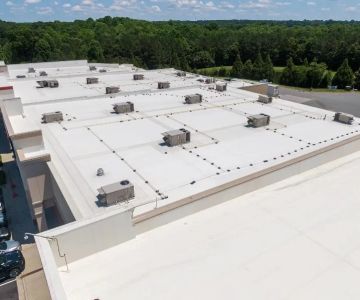
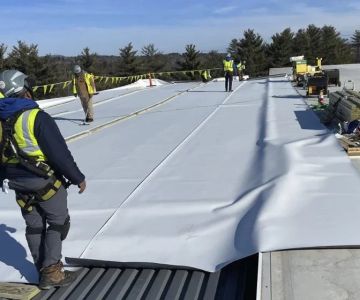
Cool roofs are designed to reflect more sunlight and absorb less heat. Materials like white TPO, reflective metal, or specially coated asphalt can reduce the need for air conditioning and keep indoor temperatures more consistent.
4.2 Energy Savings in Practice
In warmer U.S. states like Texas or Arizona, installing a cool roof can reduce cooling energy costs by up to 15%. Beyond personal savings, it lowers the urban heat island effect—a growing concern in densely populated areas.
5. Recyclability and Disposal Considerations
5.1 The Problem with Asphalt Shingles
While technically recyclable, most asphalt shingles in the U.S. are not recycled due to cost and contamination concerns. This leads to over 11 million tons of roofing waste annually in landfills.
5.2 Metal Roofing’s Reuse Potential
Most metal roofs contain recycled content and are fully recyclable at the end of their life. Many companies offer buyback or repurposing programs, making metal a circular product rather than a disposable one.
6. Real-World Example: Going Green with Your Roof
In Portland, Oregon, homeowner Lisa Tran decided to replace her 18-year-old asphalt shingle roof with a standing seam metal roof. Despite the higher upfront cost, her energy bills dropped by 22% in the first summer. The new roof also came with a 40-year warranty and was made from 95% recycled steel. Lisa shared, “It wasn’t just a home upgrade—it was a lifestyle decision.”
7. How Pro Found Roofing Can Help
Choosing an eco-conscious roof doesn’t have to be overwhelming. Pro Found Roofing specializes in sustainable roofing solutions tailored to your region, climate, and budget. Whether you’re curious about cool roofs, solar integration, or long-lasting materials like metal or clay, our expert team is here to guide you every step of the way—helping you lower your impact while increasing your home’s value.
 Cherry Roofing4.0 (235 reviews)
 RJI Professionals, Inc.4.0 (89 reviews)
 Paitson & Son Home Improvement4.0 (55 reviews)
 Advanced Roofing Solutions LLC4.0 (228 reviews)
 Pyramid Roofing0.0 (0 reviews)
 Titan Advanced Roofing & Contracting LLC5.0 (8 reviews)
 The Process of Installing a Modified Bitumen Roof for a Low-Slope Garage
 Top-Rated Roofing Brands You Can Trust in 2024 – Best Roofing Solutions
 How to Inspect Your Roof for Damage After a Hailstorm | Pro Found Roofing
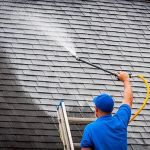 How to Clean Your Roof with a Soft Wash System to Preserve Shingle Granules
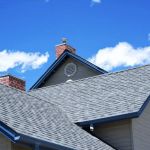 What is a Roofing Cricket? How It Prevents Water Buildup Behind Chimneys
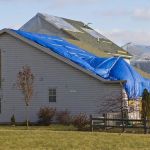 Does Homeowners Insurance Cover Roof Replacement? Understanding Wind, Hail, and Wear & Tear