- 1. Understanding the Connection Between Roof Leaks and Mold
- 2. How Roof Leaks Promote Mold Growth
- 3. Signs of Mold Caused by Roof Leaks
- 4. Preventing Mold Growth from Roof Leaks
- 5. How to Deal with Roof Leaks and Mold
1. Understanding the Connection Between Roof Leaks and Mold
One of the most common concerns homeowners face when dealing with a roof leak is the potential for mold growth. Roof leaks allow water to enter your home, and moisture is one of the key factors that promote mold growth. If left untreated, a small leak can turn into a major issue, leading to mold spreading across walls, ceilings, and even furniture.
Understanding how roof leaks and mold are connected is crucial for taking the right steps in preventing damage and protecting your home. Mold thrives in damp environments, and a roof leak provides the perfect conditions for it to grow. Water from the leak can seep into your attic, walls, and ceilings, creating a breeding ground for mold spores. Mold not only damages your home’s structure but can also be a health hazard for your family.
2. How Roof Leaks Promote Mold Growth
When a roof begins to leak, water can penetrate various areas of your home, creating dampness in places like attics, walls, or insulation. Mold needs moisture, warmth, and organic material (like wood or drywall) to thrive. If a roof leak goes unnoticed or untreated, water can accumulate and create an environment where mold and mildew thrive.
Roof leaks typically allow water to gather in hidden areas, such as behind walls or under insulation, where it’s hard to detect. Mold can start growing within 24-48 hours in these areas, especially if the humidity levels are high. Over time, this mold can spread, damaging your home’s structure and posing serious health risks to your family, especially to those with respiratory conditions or mold allergies.
3. Signs of Mold Caused by Roof Leaks
If you suspect a roof leak may have caused mold in your home, it’s essential to be aware of the common signs. These signs can help you identify the problem early and take action before the mold spreads. Here are some key indicators:
- Discolored Stains on Ceilings or Walls: One of the first signs of a roof leak is water stains on the ceiling or walls. These stains may be yellow, brown, or dark spots, which can indicate the presence of mold or mildew.
- Musty Odor: A strong, musty smell is a clear sign of mold growth. If you notice this smell in your attic or areas near the roof, it’s important to investigate further for potential leaks.
- Visible Mold or Mildew: If you can see mold on your walls, ceiling, or in the attic, it’s likely a result of prolonged moisture exposure from a roof leak. Mold may appear as black, green, or white patches.
- Peeling Paint or Wallpaper: Moisture from a roof leak can cause paint or wallpaper to peel or bubble. This can be a sign that water has infiltrated the area and potentially led to mold growth behind the surface.
4. Preventing Mold Growth from Roof Leaks
Preventing mold caused by roof leaks starts with regular roof maintenance and prompt repairs. Here are some tips to help protect your home from roof leaks and mold growth:
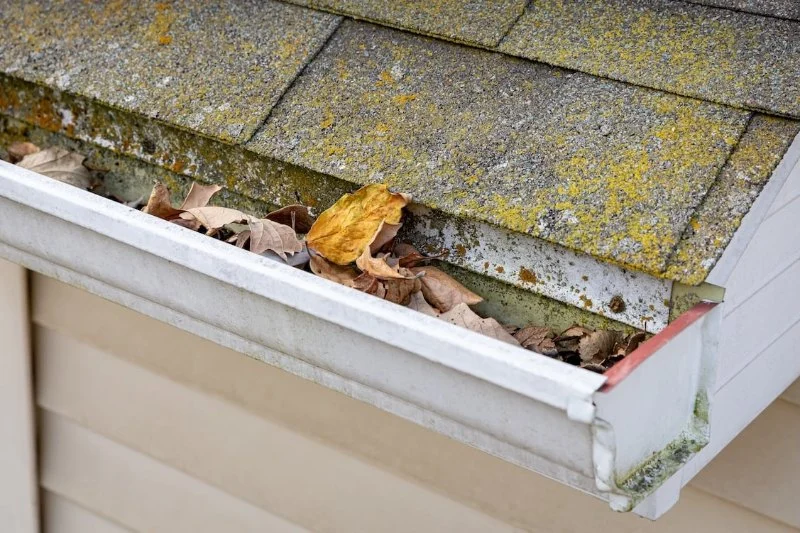
- Inspect Your Roof Regularly: Check for missing, cracked, or damaged shingles, as well as debris or clogged gutters that may prevent proper water drainage. Regular inspections can help you catch small issues before they turn into big problems.
- Address Leaks Immediately: As soon as you notice any signs of a roof leak, it’s important to address the issue right away. The longer a leak persists, the more likely it is that mold will begin to grow.
- Improve Ventilation: Ensure that your attic and other areas prone to moisture are properly ventilated. Good airflow can help reduce humidity levels, making it less likely for mold to form.
- Seal Gaps and Cracks: Ensure that gaps around windows, chimneys, and vents are sealed properly to prevent water from entering your home and causing a leak.
5. How to Deal with Roof Leaks and Mold
If you discover mold due to a roof leak, it’s crucial to act quickly to prevent further damage. Here’s what to do:
- Find and Fix the Roof Leak: First, identify the source of the leak and repair it to stop further water intrusion. This may require professional help, especially if the damage is extensive.
- Remove Damaged Materials: Remove any moldy materials, such as drywall, insulation, or wood. These materials should be disposed of safely to prevent the mold from spreading to other areas.
- Clean the Mold: If mold growth is confined to a small area, you can clean it yourself using a mixture of water and detergent or a store-bought mold cleaner. For larger infestations, it’s best to call in a professional mold remediation specialist.
- Dehumidify the Area: Use dehumidifiers to dry out any remaining moisture in the affected area. This will help prevent future mold growth and keep the environment dry.
Dealing with roof leaks and mold can be overwhelming, but with the right steps, you can protect your home and prevent costly repairs. If you need professional assistance with roof repair or mold remediation, be sure to check out Pro Found Roofing for expert services and guidance.


 Crown Roofing5.0 (41 reviews)
 Philadelphia Roofing Co5.0 (4 reviews)
 JC General Construction LLC5.0 (4 reviews)
 Armor Exterior Solutions5.0 (88 reviews)
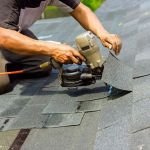 Bright Crest Roofers5.0 (5 reviews)
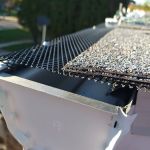 Axis Contracting4.0 (93 reviews)
 Green Roofing Solutions for Sustainable Homes in the U.S.
 How to Budget for Roof Replacement: A Complete Guide
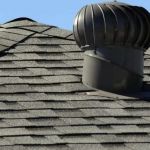 Understanding Roof Ventilation Systems and Why They Matter
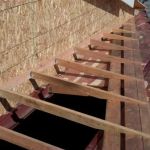 What is a Roofing Cricket? How to Frame a Cricket for a Skylight
 How to Decide Whether to Repair or Replace Your Roof
 The True Cost of a Roof Inspection: Why a Thorough One is Worth Paying For