
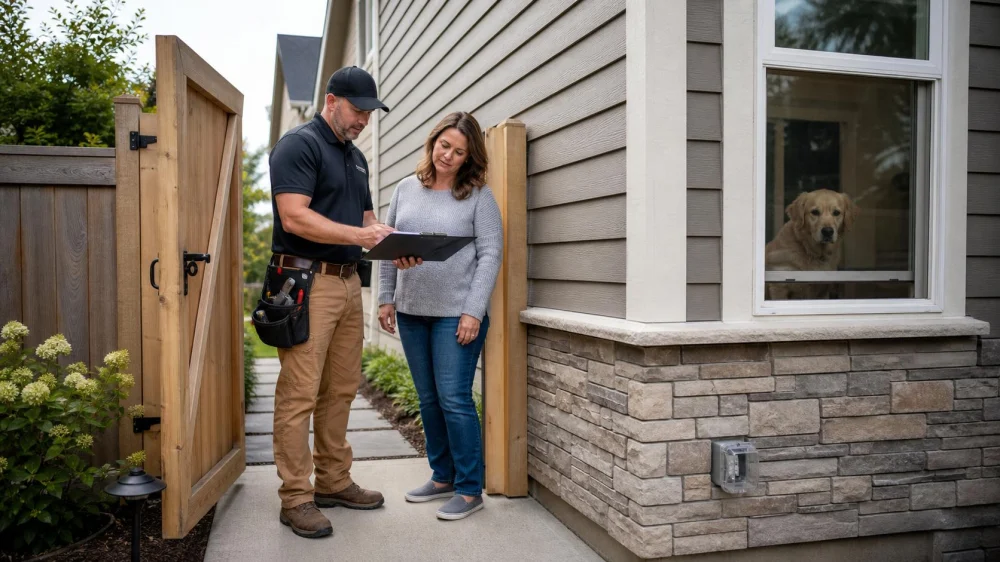
Roofing Crew Access Plan: Gates, Pets, Power, and Security
A roofing crew needs predictable access to the building, yard, power, materials, and cleanup areas. Homeowners also need privacy, safe exits, secure pets, and a clear way to identify authorized workers. A written access plan turns these needs into shared rules before ladders, vehicles, and tear-off debris arrive.
Name the Contacts
Identify the contractor’s project manager, on-site supervisor, and after-hours emergency contact. Give the contractor one primary household contact and a backup. Agree which communication method creates the official record. Workers should not need to seek decisions from children, guests, tenants, or neighbours. Keep insurance, permit, and contract contacts separate from routine site coordination.

Holden Roofing (Houston Corporate) / holden roofing
RosenbergFort Bend CountyTexas
2128 1st St, Rosenberg, TX 77471, USA
Set Work Hours
Confirm expected arrival, setup, noisy work, breaks, and departure, subject to local rules and weather. Ask how early deliveries may occur and who will notify you of a delay. Coordinate alarms, remote work, school routines, and sleep needs. A start window is more useful than an optimistic exact minute, but unexpected changes should still trigger a message.

JK Contractors / jk roofing
West BendOzaukee CountyWisconsin
3058 County Rd Y, West Bend, WI 53095, USA
Plan Gates and Keys
Walk the intended access route and measure narrow gates when equipment must pass. Decide whether a gate stays unlocked during work, receives a temporary code, or is opened by the homeowner. Avoid hiding permanent house keys. Put temporary access terms in writing, limit who receives codes, and change them after work. Do not allow a propped gate to create an uncontrolled public path.
Protect Pets
Roofing noise, vibration, strangers, nails, and open gates can frighten or injure animals. Keep pets indoors in a secure quiet room or arrange off-site care. Tell the supervisor that pets are present and where they will be. Check the yard for debris before every outing. A leash is not enough if a pet can slip through an active staging area.
Confirm Power and Water
Ask whether the crew needs exterior electricity or water and which outlets or taps are appropriate. Ground-fault protection, cord condition, circuit capacity, and weather exposure should be professionally managed. Do not let cords cross an exit or public sidewalk without approved protection. Record utility arrangements and whether the contractor supplies generators, temporary power, hoses, or consumption reimbursement.
Define Interior Access
Clarify whether anyone needs attic, electrical panel, bathroom, or interior leak-area access. Designate the permitted route and rooms, remove valuables, and protect floors when appropriate. Do not leave the entire home open because one attic hatch may be required. Ask for advance notice whenever possible and have an authorized adult present under the agreed contract terms.
Manage Property Security
Tell the contractor about exterior cameras, alarms, locked sheds, and restricted areas. Ask how workers and subcontractors are identified. Avoid posting access codes in visible places. Deliveries should be matched to the project before acceptance. Keep firearms, medications, documents, and portable valuables secured. Security measures should support the project without recording private neighbouring areas unlawfully.
Control Parking and Deliveries
Reserve space for emergency access and household departure. Mark areas that cannot support heavy vehicles or block irrigation, septic components, or shared drives. Confirm street parking and permit rules. Tell the crew about school buses, trash pickup, or accessible transport schedules. A driver should contact the supervisor instead of improvising when the planned space is unavailable.
Handle Daily Changes
Weather, hidden damage, or material delays may change who needs access and for how long. Require the supervisor to explain the reason, new timing, and security effect. Scope or price changes still need a formal change order; an access message is not approval to perform extra work. Keep a brief daily log of arrivals, departures, open areas, and unresolved conditions.
Close Access After Work
At the end of each day, verify that gates, windows, temporary roof protection, tools, ladders, and materials are secured. Ask whether any interior protection must remain. Check paths and pet areas from the ground for debris. At final completion, retrieve temporary keys, change codes, update alarms, and document any lock, gate, fence, or landscape damage.
Post a simple household version of the plan near the main exit without displaying sensitive codes. Include work hours, the safe family route, pet arrangements, vehicle location, and the supervisor’s number. Tell visitors and service providers that roofing is underway before they enter. Review the plan each morning when weather or crew size changes. If an access condition feels unsafe, contact the supervisor and keep clear; do not move ladders, tools, cords, barriers, or roofing debris yourself.
A good access plan protects the crew’s workflow and the household’s control of the property. Name decision-makers, define time and routes, secure pets, limit interior access, manage utilities, and close the site each day. Put exceptions in writing before convenience becomes confusion.


 Tru-Ridge Roofing LLC5.0 (7 reviews)
 North Miami Beach Celestia Crest Roofing Contractors5.0 (2 reviews)
 Hive Roofing5.0 (73 reviews)
 American Roofing Doylestown5.0 (1 reviews)
 Smarter Construction5.0 (3 reviews)
 Polar Edge Roof Co.5.0 (6 reviews)
 How to Fix a Leak in a Roof Where Two Different Roof Pitches Meet
 How to Fix a Leak in a Flat Roof with a Liquid Rubber Sealant
 Should You Repair or Replace Your Roof? A Complete Decision Guide
 How to Clean Moss Off a Roof Without Damaging the Shingles or the Environment
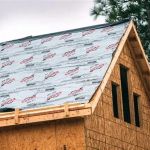 What Is Synthetic Roofing Underlayment?
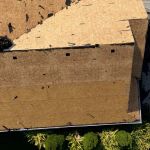 Roof Decking Repair: How to Know When It's Needed