- Rubber EPDM Roofing: Pros, Cons, and Best Uses for Flat and Low-Slope Roofs
- 1. Understanding What Rubber EPDM Roofing Is
- 2. The Major Advantages of Rubber EPDM Roofing
- 3. Potential Drawbacks to Consider
- 4. Best Applications for EPDM on Flat and Low-Slope Roofs
- 5. Real Case Example: Commercial Flat Roof Transformation
- 6. Maintenance Tips for Long-Lasting EPDM Roofs
- 7. Why Choose Pro Found Roofing for EPDM Roof Installation
Rubber EPDM Roofing: Pros, Cons, and Best Uses for Flat and Low-Slope Roofs
When it comes to durable, cost-effective roofing for flat or low-slope structures, rubber EPDM roofing remains one of the most trusted solutions in the United States. Known for its flexibility, energy efficiency, and resistance to harsh weather, EPDM has been used for decades on commercial buildings, warehouses, and even residential homes. But like any roofing material, it has its pros, cons, and ideal applications. Whether you’re replacing an old roof or exploring options for a new installation, understanding the strengths and limitations of EPDM can help you make the right choice.

Gunner Roofing / gunner roofing
CromwellLower Connecticut River Valley Planning RegionConnecticut
700 Corporate Row, Cromwell, CT 06416, USA
1. Understanding What Rubber EPDM Roofing Is
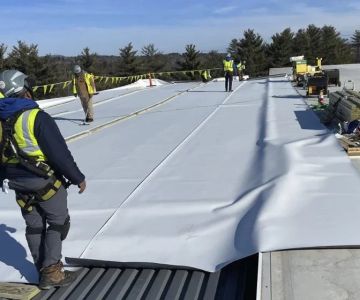
EPDM stands for Ethylene Propylene Diene Monomer, a synthetic rubber membrane widely used in the roofing industry. Available in both black and white finishes, it’s typically installed in large rolls that are either glued, mechanically fastened, or ballasted. The material’s elasticity and weatherproof properties make it particularly effective for flat and low-slope roofs where standing water can be an issue.
Unlike traditional asphalt roofing, EPDM remains flexible even in extreme temperatures—from freezing winters to hot summers—making it ideal for diverse climates across the U.S. It’s also eco-friendly, as it can be recycled and reflects sunlight when using the white variant, contributing to energy savings.

SB Pro Roofing / sb pro roofing
Pinellas ParkPinellas CountyFlorida
6358 49th St N, Pinellas Park, FL 33781, USA
2. The Major Advantages of Rubber EPDM Roofing
One reason EPDM continues to be popular is its combination of affordability and durability. Let’s explore its key advantages:
2.1 Longevity and Durability
EPDM roofs can last 30–50 years with proper maintenance. Their rubber composition resists cracking, shrinking, and blistering—common issues with other flat roofing systems.
2.2 Weather Resistance
The membrane is highly resistant to UV radiation, ozone exposure, and hail damage. Its waterproof surface effectively prevents leaks and protects the structure from rain and snow accumulation.
2.3 Easy Installation and Repairs
EPDM roofing is lightweight and easy to install compared to metal or built-up systems. Repairs are straightforward, often requiring only liquid rubber patches or adhesive sealant for small tears.
2.4 Energy Efficiency
Black EPDM absorbs heat, helping reduce heating costs in colder regions, while white EPDM reflects sunlight, keeping interiors cooler in hot climates. This versatility makes it adaptable for different energy needs.
2.5 Cost-Effectiveness
EPDM is one of the most economical roofing materials available. Its installation costs are lower than those of PVC or TPO roofing, making it a top choice for commercial and residential property owners seeking value without compromising quality.
3. Potential Drawbacks to Consider
While EPDM is an excellent roofing option, it’s not without limitations. Knowing these will help you make an informed decision.
3.1 Vulnerable to Punctures
Although durable, EPDM can be punctured by sharp objects like tree branches or foot traffic. Protective mats or walkway pads are often installed on commercial roofs to prevent damage.
3.2 Aesthetic Limitations
Because EPDM is typically a flat black or white membrane, it doesn’t offer the aesthetic appeal of shingles or metal roofing. For residential homes, this may be a design consideration.
3.3 Improper Installation Risks
Like many roofing systems, EPDM’s success depends heavily on installation quality. Poor adhesion or incorrect seam sealing can lead to leaks. That’s why hiring certified professionals like Pro Found Roofing is critical to ensuring long-term performance.
3.4 Standing Water Challenges
While EPDM is waterproof, it’s still best suited for roofs with proper drainage systems. Standing water over long periods may stress seams and reduce lifespan if not managed properly.
4. Best Applications for EPDM on Flat and Low-Slope Roofs
EPDM is designed for flat and low-slope roofing systems where water drainage is limited. Here’s where it performs best:
4.1 Commercial and Industrial Buildings
Warehouses, office complexes, and shopping centers commonly use EPDM for its cost efficiency and longevity. It also offers easy access for maintenance and HVAC system placement.
4.2 Residential Flat Roofs and Additions
EPDM is an ideal choice for home extensions, garages, and porches. Its sleek design provides watertight protection without adding unnecessary weight to the structure.
4.3 Green Roof Systems
Due to its waterproof nature, EPDM serves as an excellent base layer for green or vegetative roofs, helping prevent root penetration and moisture seepage into the building below.
5. Real Case Example: Commercial Flat Roof Transformation
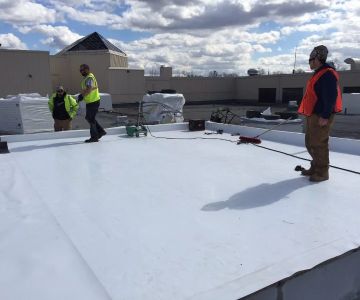
In 2023, a logistics company in Texas faced recurring leaks and high energy bills due to an aging asphalt roof. After consulting with Pro Found Roofing, they decided to install a white EPDM roofing system. The result? A 25% reduction in cooling costs and complete elimination of leaks. “The difference was immediate,” the facility manager said. “Not only did our building stay cooler, but the maintenance team noticed fewer drainage issues after heavy rain.”
This case shows how the right roofing material can improve efficiency, comfort, and savings simultaneously.
6. Maintenance Tips for Long-Lasting EPDM Roofs
Regular maintenance helps extend the life of any roofing system. For EPDM roofs, follow these tips to keep it performing at its best:
6.1 Inspect Twice a Year
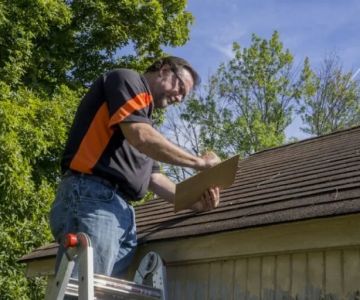
Schedule inspections every spring and fall to check for tears, pooling water, and seam integrity. Early detection prevents small issues from becoming costly repairs.
6.2 Keep the Surface Clean
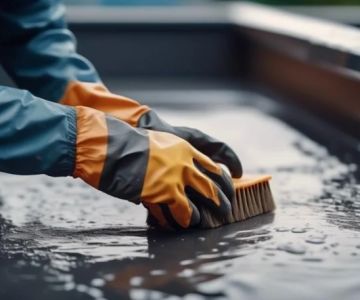
Remove debris like leaves and branches that can puncture or block drainage. A clean surface ensures efficient water flow and prevents deterioration.
6.3 Repair Immediately
Use liquid rubber patch kits or call professionals if you notice damage. Prompt repair maintains your roof’s waterproof seal and prevents structural harm.
6.4 Avoid Harsh Chemicals
When cleaning, use mild soap and water. Harsh solvents can degrade the rubber membrane and weaken its UV resistance.
7. Why Choose Pro Found Roofing for EPDM Roof Installation
For property owners seeking expert installation and maintenance, Pro Found Roofing is a trusted name in rubber roofing systems. Their certified technicians use industry-approved materials and installation techniques to ensure maximum durability, performance, and energy efficiency.
Whether you’re managing a commercial property or improving your home, Pro Found Roofing provides transparent estimates, warranty-backed service, and dependable craftsmanship that stands the test of time. Choosing professionals ensures your EPDM roof delivers long-term protection and peace of mind.
 Walker Roofing & Coatings0.0 (0 reviews)
 Tristate Remodelers4.0 (21 reviews)
 AL Brothers Roofing5.0 (115 reviews)
 BrightPeak Roofing LLC.5.0 (4 reviews)
 Northridge Roofing Solutions5.0 (16 reviews)
 Orule Corporation0.0 (0 reviews)
 The Best Roofing Materials for Homes in Areas with Frequent Earthquakes
 The Best Time to Schedule a Roof Replacement to Avoid Contractor Backlogs
 How to Negotiate with a Roofing Contractor Without Sacrificing Quality
 How to Choose a Roofing Contractor Who Offers Financing Options
 The Best Time of Year to Replace or Repair Your Roof
 The Ultimate Checklist for Hiring a Roofing Contractor: What You Need to Know