- The Importance of Roofing in Earthquake Zones
- Best Roofing Materials for Earthquake-Prone Areas
- Benefits of Earthquake-Resistant Roofing
- Roofing Tips for Homes in Seismic Zones
- Real-World Case Study: Earthquake-Proof Roofing
The Importance of Roofing in Earthquake Zones
When you live in an area prone to frequent earthquakes, ensuring the safety and durability of your home’s structure is crucial. The roof plays a vital role in protecting your home from seismic damage, as it is the first line of defense against falling debris and shifting foundations. Earthquakes can cause significant stress on a building, especially the roof, and having the right materials can help mitigate these risks.
Roofing materials in earthquake-prone areas need to be strong, flexible, and lightweight to absorb shock and prevent collapse. Choosing the right roofing material is essential not just for safety but also for longevity and repair costs after an earthquake. In this article, we will explore the best roofing materials for homes in areas with frequent seismic activity.

JK Contractors / jk roofing
West BendOzaukee CountyWisconsin
3058 County Rd Y, West Bend, WI 53095, USA
Best Roofing Materials for Earthquake-Prone Areas
When selecting roofing materials for earthquake zones, the goal is to choose materials that are lightweight yet durable enough to withstand the shaking and stress that comes with seismic activity. Below are some of the best roofing materials for homes in areas with frequent earthquakes:
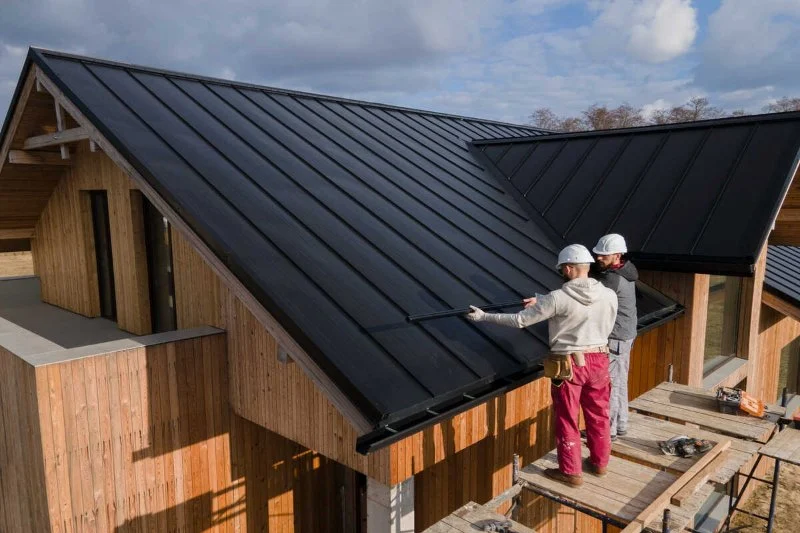
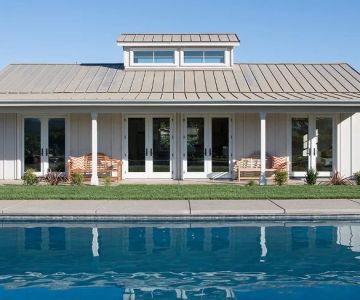
- Metal Roofing: Metal roofing is one of the best options for homes in earthquake-prone areas. It’s durable, lightweight, and resistant to both fire and weather. Metal roofing can easily flex without cracking or breaking during an earthquake, making it ideal for seismic activity.
- Clay or Concrete Tiles: While these materials are heavier than metal, they are highly durable and can withstand the shaking of an earthquake when properly installed. Clay and concrete tiles also offer excellent insulation, making them energy-efficient.
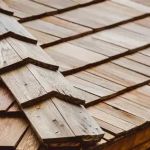
- Wood Shingles or Shakes: Wood is a flexible and resilient material that absorbs shock well. It’s also lighter than concrete or tile, which reduces the overall load on your home during an earthquake. Wood shingles or shakes offer a rustic, aesthetic look while providing earthquake resistance when properly maintained.
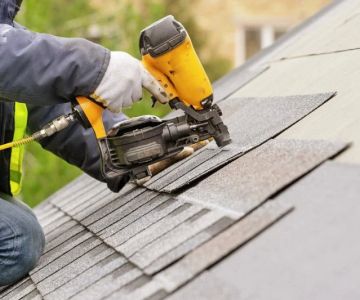
- Asphalt Shingles: Asphalt shingles are the most common roofing material in the United States due to their affordability and ease of installation. While they are relatively lightweight, they may not be as durable in areas with severe seismic activity. However, they can be reinforced with additional layers to increase their stability.
- Rubber Roofing: Rubber roofing is made from recycled materials and is lightweight, flexible, and durable. It’s often used in commercial buildings, but it can also be used in residential homes, offering a practical solution for earthquake-prone areas.
Benefits of Earthquake-Resistant Roofing
Investing in earthquake-resistant roofing offers several significant benefits for homeowners, particularly those in regions with high seismic activity:
- Enhanced Safety: The most important benefit of earthquake-resistant roofing is the enhanced safety it provides. A well-constructed roof can prevent debris from falling and causing injury, while also ensuring that the structure remains intact even during strong shaking.
- Reduced Damage: Flexible roofing materials help absorb seismic shock, reducing the amount of structural damage to your home. This can save you from costly repairs and protect your home’s value.
- Increased Home Value: Homes with earthquake-resistant features are often valued higher, especially in earthquake-prone areas. Buyers are more likely to choose homes with reliable protection against seismic activity, knowing that the roofing system has been specifically designed to mitigate earthquake risks.
- Lower Insurance Premiums: Homes equipped with earthquake-resistant roofing may qualify for lower insurance premiums. Insurance companies recognize the reduced risk, leading to potential savings in the long run.
Roofing Tips for Homes in Seismic Zones
In addition to choosing the right roofing material, here are some important tips for homeowners in earthquake-prone areas to ensure their roof is well-prepared:
- Reinforce Roof Structure: Even the best roofing materials can fail if the structure supporting them isn’t solid. Ensure that the roof framing and supports are strong enough to handle the stress of an earthquake.
- Proper Installation: It’s crucial to hire an experienced contractor who understands the specific requirements for earthquake-resistant roofing. Poor installation can weaken even the most durable materials.
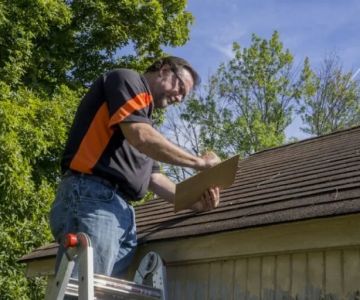
- Regular Inspections: Regularly inspect your roof for signs of wear and tear, especially after an earthquake. Check for cracks, loose tiles, or shingles that could cause further damage during aftershocks.
- Consider Roof Slope: A steeper roof slope can help prevent debris from accumulating and adding extra weight during an earthquake. Additionally, a sloped roof will shed water and snow more efficiently, reducing the load on the structure.
Real-World Case Study: Earthquake-Proof Roofing
In 2019, a major earthquake struck California, affecting thousands of homes across the state. Many homes with traditional tile roofing sustained severe damage, with entire sections of the roof collapsing. However, homes with metal roofing or reinforced asphalt shingles saw minimal damage. The flexibility of the materials helped them withstand the shaking, preventing costly repairs.
This case study highlights the importance of investing in the right roofing materials in earthquake-prone areas. Choosing earthquake-resistant materials not only enhances your home’s safety but also ensures long-term durability and peace of mind.
For homeowners in seismic zones, making the right roofing choice can be the difference between a home that survives an earthquake unscathed and one that requires costly repairs. To explore more about earthquake-resistant roofing, visit Pro Found Roofing for expert guidance and top-quality roofing materials.
 UglyRoof5.0 (7 reviews)
 Mr. B's Roofing Ranger5.0 (1 reviews)
 Lawndale Roofing Specialists0.0 (0 reviews)
 Express Roofing4.0 (17 reviews)
 Best American Roofing LLC5.0 (7 reviews)
 BNF Roofing5.0 (20 reviews)
 The Average Cost of a Cedar Shake Roof: Installation and Maintenance Over Time
 What Roof Color Is Best for Energy Efficiency? Climate-Based Guide
 How to Identify and Repair Damaged Roof Soffits and Fascia
 How Long Does Roof Installation Take? Timeline Explained | Pro Found Roofing
 What is a Roofing Warranty? What to Do if Your Roofing Contractor Goes Out of Business
 How to Install Ice and Water Shield in Complex Roof Areas with Many Valleys