
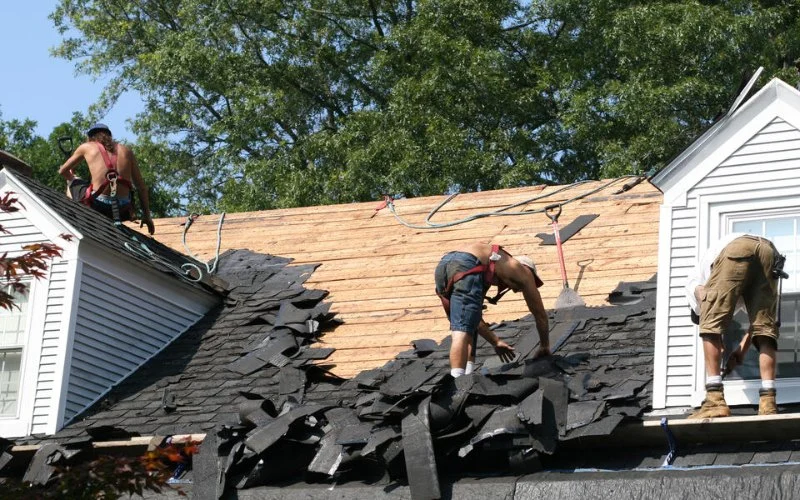
- Why Remove an Old Roof?
- Cost of Roof Removal
- Dangers of Leaving an Old Roof in Place
- How Roof Removal Affects New Roof Installation
- Steps Involved in Roof Removal
- Finding the Right Roofing Contractor
Why Remove an Old Roof?
Removing an old roof is a critical step when replacing a roof, despite the fact that it may seem like an unnecessary expense. The process ensures that your new roof is properly installed and lasts for years to come. While it may seem tempting to install a new roof over the old one, this often leads to more problems and additional costs down the road. Below, we’ll explain why removing the old roof is essential for a proper roof installation.

JK Contractors / jk roofing
West BendOzaukee CountyWisconsin
3058 County Rd Y, West Bend, WI 53095, USA
1. Ensuring a Solid Foundation
A new roof needs a solid, clean foundation to be properly installed. When you install a new roof over an old one, you’re essentially covering up existing damage and problems, such as leaks, mold, or rot. By removing the old roof, you ensure that any underlying issues are addressed, allowing the new roof to be installed on a sound surface.
Absolute Roofing / absolute roofing
TimoniumBaltimore CountyMaryland
22 W Padonia Rd # B229, Timonium, MD 21093, USA
2. Preventing Future Damage
If you leave an old roof in place, you risk creating spaces between layers that can trap moisture. This trapped moisture can lead to the growth of mold, mildew, and eventually, rot. These issues can cause significant damage to your new roof, as well as to your home’s structure. Proper roof removal eliminates these risks and helps prevent long-term damage.
Cost of Roof Removal
The cost of removing an old roof can vary depending on several factors, including the size of the roof, the material of the old roof, and the complexity of the removal process. On average, roof removal costs can range from $1 to $5 per square foot, with the total cost often falling between $1,000 and $3,000 for a typical home. While this might seem like an added expense, it’s an investment in the long-term health and safety of your home.
1. Factors Affecting Roof Removal Costs
The cost of roof removal can vary depending on factors such as:
- Roof Size: Larger roofs require more labor and time, increasing the overall cost.
- Roof Material: The type of roofing material affects the difficulty of removal. For example, slate or tile roofs are more labor-intensive to remove than asphalt shingles.
- Location: Roof removal costs can vary by region. Areas with higher labor costs or stricter building codes may see higher fees.
- Roof Condition: If the old roof is particularly damaged, it may take longer to remove, raising the cost.
2. Potential Additional Costs
In some cases, the roof removal process may reveal hidden damage, such as rotted decking or structural issues. These problems can increase the overall cost of the project, as repairs will be necessary before the new roof can be installed. It’s important to budget for these potential surprises when planning for a roof replacement.
Dangers of Leaving an Old Roof in Place
While it might seem like a cost-saving idea to install a new roof over an old one, this can create several serious problems that could end up costing you more in the long run. Here are some of the dangers of leaving an old roof in place:
1. Poor Roof Ventilation
Adding a new roof over an old one can obstruct the roof’s ventilation system. Proper ventilation is crucial for maintaining the temperature and moisture levels in your attic. Without proper airflow, your attic can become hot and humid, which leads to mold growth and condensation, eventually damaging both the new and old roofing materials.
2. Increased Weight on the Structure
Layering new roofing materials over an old roof adds extra weight to your home’s structure. This can put unnecessary stress on the framework, which may lead to structural issues over time. In some cases, this added weight can cause a roof collapse, especially if the underlying structure is already weakened.
3. Shortened Lifespan of the New Roof
Installing a new roof over an old one can dramatically shorten the lifespan of your new roof. Without addressing underlying issues, your new roof will be more susceptible to damage, leaks, and premature wear, which means you’ll likely need to replace it again much sooner than expected.
How Roof Removal Affects New Roof Installation
Proper roof removal is essential for ensuring that your new roof is installed correctly. When the old roof is removed, roofing contractors can inspect the decking and underlying structures for damage. This allows them to address any issues before they become bigger problems, ensuring that the new roof will last longer and perform better. Here’s how the removal process impacts the installation of a new roof:
1. Inspection and Repair of Decking
After the old roof is removed, the roofing contractor will inspect the decking for signs of rot, water damage, or mold. If any issues are found, the damaged areas will be repaired or replaced before the new roof is installed. This ensures that your new roof is installed on a solid and stable foundation, which is essential for its long-term performance.
2. Proper Installation of Underlayment
With the old roof removed, it’s easier to install a fresh underlayment, which acts as a protective barrier between the roofing materials and the decking. This layer helps prevent water infiltration and prolongs the lifespan of your roof.
Steps Involved in Roof Removal
The roof removal process involves several steps to ensure that the job is done safely and efficiently. Here’s a brief overview of the typical steps involved:
1. Preparation
The roofing crew will begin by removing any obstacles around the house and setting up a safe work area. They will also use protective tarps to cover landscaping and other areas that could be affected by debris during the removal process.
2. Shingle Removal
The next step involves removing the old shingles or roofing materials. This is typically done using specialized tools that allow the crew to safely lift and remove the materials without causing damage to the decking.
3. Decking Inspection and Repair
Once the old roof is removed, the contractor will inspect the decking for damage. Any areas that are rotted or compromised will be replaced to ensure a stable base for the new roof.
4. New Roof Installation
With the roof removed and the decking repaired, the new roof installation can begin. This includes laying down underlayment, installing flashing, and then placing the new shingles or roofing material of your choice.
Finding the Right Roofing Contractor
Choosing a reputable roofing contractor is crucial to ensuring the roof removal and installation process goes smoothly. Look for contractors with experience in roof removal and installation, and be sure to ask for references or check online reviews. A good contractor will explain the process, provide a detailed estimate, and handle the removal and installation with professionalism and care.
If you’re ready to replace your roof and need expert guidance, visit [Pro Found Roofing]. Our team of professionals can help you navigate the roof removal and installation process and ensure that your new roof is installed properly and efficiently.
 Plata Contruction5.0 (3 reviews)
 Lake Travis Roofing4.0 (53 reviews)
 Elevated Edge Exteriors5.0 (8 reviews)
 Structure Roof & Wall Solutions3.0 (14 reviews)
 Ace Roofing4.0 (4 reviews)
 Cloise & Mike Construction Inc4.0 (883 reviews)
 Signs It’s Time to Replace Your Roof – Don’t Ignore These Red Flags
 The Best Roofing Materials for Homes in Tornado Alley
 Metal Roofs vs. Asphalt Shingles: Which Is Better for Your Home?
 What is a Roofing Cricket? How to Frame a Cricket for a Skylight
 How to Prevent Roof Damage from Clogged Gutters and Downspouts
 The Pros and Cons of a Gable Roof vs. a Hip Roof Design