- 1- Introduction to Roof Inspections
- 2- What to Check Before a Storm
- 3- What to Check After a Storm
- 4- Common Roofing Issues After a Storm
- 5- Where to Find Reliable Roofing Services
1. Introduction to Roof Inspections
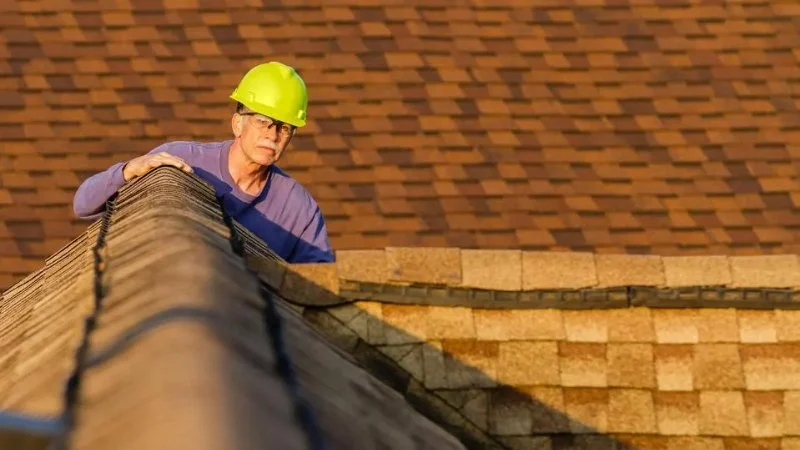
Whether you're preparing for an incoming storm or assessing the damage after one has passed, a roof inspection is crucial to ensuring the integrity and safety of your home. Roofs take a beating during storms, with wind, rain, and debris posing serious risks to their structure. This checklist will guide you through the essential steps to inspect your roof both before and after a storm, helping you spot potential problems early and take action when needed.
Victors Home Solutions / victors roofing
2722 E Michigan Ave suite 239, Lansing, MI 48912, USA
2. What to Check Before a Storm
Before a storm strikes, it's important to conduct a thorough roof inspection to make sure it's in the best possible condition. Here are key areas to inspect before a storm hits:

Holden Roofing (Houston Corporate) / holden roofing
RosenbergFort Bend CountyTexas
2128 1st St, Rosenberg, TX 77471, USA
2.1 Inspect Roof Shingles
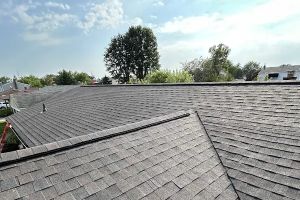
Start by checking the condition of your roof shingles. Look for any missing, cracked, or curled shingles. These can allow rain and wind to seep beneath the surface, causing further damage. If you notice any issues, consider replacing the damaged shingles or contacting a roofing professional to do so.
2.2 Clear Debris from Roof and Gutters
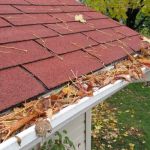
Debris such as leaves, twigs, and branches can block gutters and downspouts, causing water to back up and potentially damaging your roof. Clear away any debris from the roof surface, gutters, and downspouts to ensure proper water flow. This will reduce the risk of water pooling on your roof during a storm, which can lead to leaks and structural damage.
2.3 Check for Weak Spots and Leaks
Before the storm, inspect your attic or ceiling for any signs of existing leaks. Look for water stains or damp spots, which may indicate weak spots in the roof that need repair. Addressing these issues ahead of time can prevent further damage when the storm arrives.
2.4 Trim Overhanging Trees
Trim back any tree branches that overhang your roof. Storms often bring strong winds, and loose branches can cause significant damage if they fall onto your roof. Ensuring that branches are away from the roof can minimize this risk.
3. What to Check After a Storm
Once the storm has passed, it's time to conduct a post-storm inspection to assess any potential damage. Here's what you should look for:
3.1 Inspect for Visible Damage
Check the roof from the ground for any visible signs of damage. Look for missing shingles, sagging areas, or obvious structural issues. If you notice any of these, it's important to have a professional inspection done as soon as possible to prevent further damage.
3.2 Check for Leaks in the Attic
After a storm, the attic is one of the first places to inspect for leaks. Water stains on the ceiling or wet insulation are signs that your roof may have been compromised during the storm. If you find any leaks, contact a professional roofer to repair the damage before it worsens.
3.3 Inspect Flashing and Seals
Flashing around chimneys, vents, and skylights is particularly vulnerable during storms. Check these areas to ensure the flashing is intact and properly sealed. Damaged flashing can lead to leaks, which can cause significant water damage if not addressed promptly.
3.4 Look for Storm Debris
After a storm, inspect your roof for any debris that may have accumulated. Branches, leaves, or even small objects can obstruct drainage, causing water to pool and leading to roof damage. Make sure to remove any debris and check that the gutters are free from blockages.
4. Common Roofing Issues After a Storm
After a storm, homeowners often face common roofing issues that require attention. These include:
- Missing Shingles: Strong winds can blow shingles off, leaving your roof vulnerable to leaks and further damage.
- Roof Leaks: A damaged roof can allow rainwater to seep in, potentially causing structural issues or mold growth in the attic.
- Clogged Gutters: Blocked gutters can prevent proper water drainage, leading to water damage on the roof and surrounding areas of your home.
- Damaged Flashing: Flashing around vents, chimneys, and skylights can become dislodged or damaged, allowing water to penetrate your roof.
5. Where to Find Reliable Roofing Services
If you need a professional inspection or repairs after a storm, we recommend visiting Pro Found Roofing for reliable roofing services. They offer expert inspections, repairs, and maintenance to ensure your roof stays in optimal condition. Whether you're dealing with storm damage or simply need a routine check-up, Pro Found Roofing has the knowledge and experience to address all your roofing needs.


 R&R Roofing LLC4.0 (39 reviews)
 TGT Exteriors4.0 (37 reviews)
 Omega Roofing5.0 (10 reviews)
 Lyons Contracting4.0 (161 reviews)
 CMS ROOFING CONTRACTOR LLC5.0 (26 reviews)
 GM Construction & Roofing LLC4.0 (6 reviews)
 Understanding Green Roofs: Benefits, Installation, and Considerations
 How to Spot and Repair Damage to Roof Vents and Vent Flashing
 Top Questions to Ask Before Hiring a Roofing Company: A Complete Guide
 How to Deal With Water Damage From Roof Ice Dams
 Gutter Maintenance 101: How Clogged Gutters Can Destroy Your Roof and Foundation
 DIY Roof Repair Tips: Safely Fix Roof Issues Yourself