- 1 - Understanding Green Roofs
- 2 - The Benefits of Green Roofs
- 3 - Installation Considerations for Green Roofs
- 4 - Real-World Examples of Green Roofs
- 5 - Why Choose Pro Found Roofing for Your Green Roof Installation
1 - Understanding Green Roofs
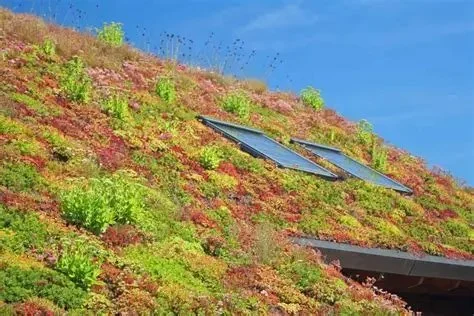
Green roofs, also known as living roofs, are an innovative and sustainable building feature that integrates vegetation into the roofing system. These roofs provide numerous environmental, aesthetic, and practical benefits for both urban and rural spaces. Essentially, a green roof consists of a waterproof membrane, a drainage layer, a growing medium (soil), and plants. The plants can range from grass and sedum to more elaborate vegetation, depending on the design and structural capabilities of the building. As sustainability becomes more important, green roofs are gaining popularity as a way to reduce the environmental impact of urbanization.

Holden Roofing (Houston Corporate) / holden roofing
RosenbergFort Bend CountyTexas
2128 1st St, Rosenberg, TX 77471, USA
2 - The Benefits of Green Roofs
There are several advantages to installing a green roof, and the benefits extend beyond just the aesthetic appeal. Some of the most significant advantages include:
- Energy Efficiency: Green roofs help to insulate buildings, reducing the need for air conditioning in the summer and heating in the winter. The plants act as a natural barrier, regulating temperatures within the building.
- Stormwater Management: Green roofs absorb rainwater, which helps reduce runoff and the strain on urban drainage systems. This is particularly valuable in cities prone to flooding or with poor drainage infrastructure.
- Improved Air Quality: The plants on green roofs help filter the air by trapping dust and pollutants, thus improving the surrounding air quality. This is especially important in urban environments.
- Biodiversity: Green roofs provide habitats for various species of birds, insects, and plants. By incorporating vegetation into urban spaces, green roofs help to increase biodiversity and promote a healthier ecosystem.
- Noise Reduction: The layers of soil and plants on a green roof can significantly reduce noise levels within buildings and the surrounding environment, creating a quieter living or working space.
- Longevity of the Roof: The vegetation and soil layers protect the underlying roofing materials from the elements, which can prolong the life of the roof by shielding it from UV rays, temperature fluctuations, and physical damage.
3 - Installation Considerations for Green Roofs
Installing a green roof requires careful planning and consideration of several key factors to ensure its success. Below are important aspects to keep in mind when installing a green roof:
- Structural Integrity: Not all buildings are designed to support the weight of a green roof. It’s essential to consult with an engineer to evaluate the load-bearing capacity of the building before installation.
- Waterproofing and Drainage: Proper waterproofing is critical to protect the building from water damage. Additionally, a drainage layer is necessary to allow excess water to escape, preventing flooding and root rot.
- Plant Selection: The type of plants chosen will depend on the local climate, the roof’s exposure to sunlight, and the level of maintenance you are willing to provide. Sedum, grasses, and wildflowers are popular choices due to their drought tolerance and low maintenance requirements.
- Maintenance: While green roofs require less maintenance than traditional gardens, they still need periodic care. Regular inspections, watering (during dry periods), and occasional plant replacement are necessary to keep the roof healthy and functioning effectively.
- Cost: The initial installation of a green roof can be more expensive than a traditional roof. However, the long-term benefits, such as energy savings and roof longevity, often outweigh the upfront costs.
4 - Real-World Examples of Green Roofs
Several cities and buildings around the world have implemented green roofs, showcasing their potential in urban environments. Some notable examples include:
- The California Academy of Sciences (San Francisco, USA): This building features a living roof that provides both ecological benefits and an aesthetically pleasing space. It houses native plants and helps manage stormwater runoff.
- The Toronto City Hall (Toronto, Canada): One of the most famous examples of green roofs in Canada, this roof is home to various types of vegetation, including sedums and grasses. It helps to manage the city’s stormwater and reduce the urban heat island effect.
- The Vancity Building (Vancouver, Canada): This building boasts an extensive green roof that helps with energy efficiency, stormwater management, and providing a habitat for urban wildlife.
5 - Why Choose Pro Found Roofing for Your Green Roof Installation
If you’re considering installing a green roof, Pro Found Roofing is your trusted partner. With extensive experience in green roof installations, we understand the unique requirements and benefits these roofs offer. Our expert team can guide you through the process, from assessing your building's structural integrity to selecting the right plants for your roof. Choose Pro Found Roofing for reliable, sustainable, and high-quality green roof solutions. Visit us today to explore the benefits of green roofs and to get started on your installation.
Contact Pro Found Roofing now for a consultation and take the first step towards making your home or business more eco-friendly!
 G2 Roofing & Construction4.0 (83 reviews)
 VernCo Roofing1.0 (1 reviews)
 Applied Roofing Solutions, Inc.5.0 (5 reviews)
 Abide Roofing & Construction5.0 (25 reviews)
 Big Bang Home Improvements0.0 (0 reviews)
 Fairweather Roofing4.0 (10 reviews)
 The Best Time to Inspect Your Roof After a Major Wind or Hail Event
 How to Inspect Your Roof for Damage After a Hailstorm
 How to Fix a Leak in a Flat Roof with a Liquid Rubber Sealant
 The Process of Installing a Solar Reflective Tile Roof in a Hot Climate
 Understanding Roofing Ventilation Systems and Why They Matter
 Residential vs Commercial Roofing: What’s Best for Your Property?