- Why Roof Vents Are Important
- Common Damage to Roof Vents and Flashing
- How to Spot Damage to Roof Vents
- Repairing Roof Vent Damage
- Maintaining Roof Vents for Longevity
- Case Study: Roof Vent Repair
- Recommended Products for Roof Vent Repair
Why Roof Vents Are Important
Roof vents are a crucial part of your home's roofing system. They allow air to circulate in the attic, helping to regulate temperature and moisture levels. Proper ventilation prevents the buildup of heat and humidity, which can lead to mold growth, wood rot, and damage to insulation. Roof vents also help extend the lifespan of your roof by reducing the risk of premature aging and damage from excess heat.
Victors Home Solutions / victors roofing
2722 E Michigan Ave suite 239, Lansing, MI 48912, USA
How Roof Vents Protect Your Home
Without proper ventilation, the attic can become hot and humid, which can lead to a variety of problems. Overheated attics cause shingles to deteriorate, reduce the efficiency of insulation, and even lead to ice damming in colder climates. By ensuring your roof vents are in good condition, you can avoid costly repairs and keep your home protected from the elements.

Holden Roofing (Houston Corporate) / holden roofing
RosenbergFort Bend CountyTexas
2128 1st St, Rosenberg, TX 77471, USA
Common Damage to Roof Vents and Flashing
Roof vents and vent flashing can become damaged over time due to various factors, including weather, wear and tear, and poor installation. Identifying and addressing these issues early can save you from more expensive repairs in the future. Below are some common types of damage to roof vents and flashing:
1. Cracked or Broken Roof Vents
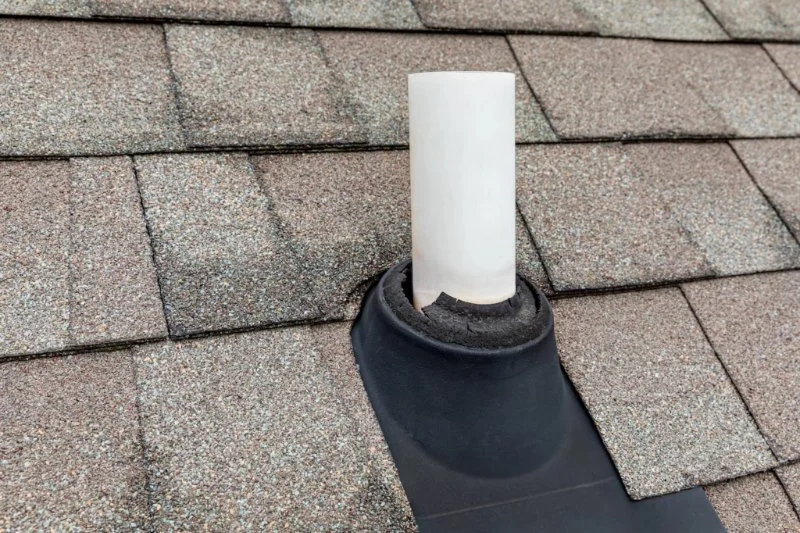
Roof vents are typically made from plastic, metal, or other durable materials, but they can crack or break under the pressure of severe weather, such as strong winds or hailstorms. Even minor cracks can allow water to seep into the attic, leading to water damage and mold growth.
2. Damaged or Missing Vent Flashing
Vent flashing is used to seal the edges of the vent where it meets the roof. Over time, flashing can become loose, rusted, or corroded, which may result in water penetration. In some cases, flashing can even fall off completely, leaving the vent exposed to the elements.
3. Clogged Roof Vents
Roof vents can become clogged with debris, such as leaves, branches, and dirt. A clogged vent prevents proper airflow, reducing ventilation efficiency. This can lead to heat buildup in the attic, causing damage to the roof and insulation.
How to Spot Damage to Roof Vents
Regular inspection of your roof vents is essential to prevent damage from escalating. Spotting issues early can help you address them before they cause significant damage. Here are some signs that your roof vents or vent flashing may be damaged:
1. Visible Cracks or Holes
Inspect the vents for any visible cracks or holes, especially after a storm or extreme weather. Even small cracks can lead to water infiltration and should be repaired immediately to prevent further damage.
2. Water Stains in the Attic
If you notice water stains on the ceiling or walls of your attic, this could be a sign that your roof vents or flashing are compromised. Water stains indicate that moisture is getting into the attic, possibly through a damaged vent or flashing.
3. Missing or Loose Flashing
Check the flashing around the vent to see if it is still secure. If it appears loose, rusted, or missing, it needs immediate attention. Damaged flashing can allow water to seep into the attic, leading to significant damage over time.
4. Excessive Heat in the Attic
If your attic feels unusually hot, this may indicate that the roof vents are clogged or damaged. The lack of airflow can trap heat and moisture, causing the temperature in the attic to rise, which can damage roofing materials and insulation.
Repairing Roof Vent Damage
Once you've identified the damage to your roof vents or flashing, it's important to repair it as soon as possible to avoid further damage to your home. Below is a general guide to repairing roof vent damage:
1. Replacing Cracked or Broken Vents
If the vent is cracked or broken, the best solution is to replace it entirely. Start by removing the damaged vent, carefully cutting around it to avoid damaging the surrounding roofing material. Install a new vent that matches the size and style of the original, ensuring it’s properly sealed to prevent leaks.
2. Repairing or Replacing Vent Flashing
If the flashing is damaged, it can be repaired by sealing any cracks or gaps with roofing cement or caulk. However, if the flashing is significantly rusted or missing, it’s best to replace it. Remove the old flashing and install new flashing around the vent, ensuring it’s tightly secured to prevent water from entering the attic.
3. Cleaning Clogged Vents
If the roof vents are clogged with debris, remove the debris by using a broom, garden hose, or pressure washer. Ensure the vent is completely clear to allow proper airflow. Regular cleaning of roof vents is essential to maintaining efficient ventilation and preventing future clogs.
Maintaining Roof Vents for Longevity
Proper maintenance of your roof vents will help extend their lifespan and ensure they continue to function effectively. Here are some tips for maintaining your roof vents:
1. Regular Inspections
Inspect your roof vents and flashing at least once a year, especially after severe weather events. Check for visible cracks, holes, or damage to the flashing, and address any issues immediately.
2. Clean Vents Periodically
Keep the roof vents clean and free of debris. Make sure the vent openings are not obstructed by leaves, dirt, or other debris. Cleaning the vents at least once a year will help maintain proper airflow and prevent clogging.
3. Schedule Professional Maintenance
If you're unsure how to inspect or maintain your roof vents, consider scheduling a professional inspection. Roofing experts can identify potential problems and perform necessary repairs to keep your roof in top condition.
Case Study: Roof Vent Repair
In a recent case, a homeowner noticed water stains on their attic ceiling and excessive heat in the attic. Upon inspection, the roof vents were found to be clogged and the vent flashing was rusted. The homeowner contacted a roofing professional to clean the vents, replace the damaged flashing, and ensure proper ventilation. The attic temperature improved significantly, and the risk of further damage was eliminated.
Recommended Products for Roof Vent Repair
At Pro Found Roofing, we offer a wide range of products to help you repair and maintain your roof vents:
- Roof Vent Replacement Kits: Complete kits for easy vent replacement.
- Roofing Flashing Repair Products: High-quality flashing to seal gaps and prevent leaks.
- Cleaning Tools for Roof Vents: Tools designed to help you clear debris and maintain proper ventilation.
Visit Pro Found Roofing to explore our full selection of roofing products and ensure your roof vents are always in top condition.


 RDA Construction4.0 (3 reviews)
 Legacy Roofing & Construction LLC3.0 (9 reviews)
 Aguivel Roofing Services0.0 (0 reviews)
 Frontier Roofing And Repair Services5.0 (17 reviews)
 Essential Roofing Guys5.0 (2 reviews)
 Ray's Roofing & Siding4.0 (9 reviews)
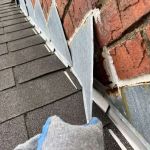 The Importance of Roof-to-Wall Flashing in Preventing Leaks at Intersections
 How Roofing Affects Home Resale Value: The Impact of Roof Quality on Selling Price
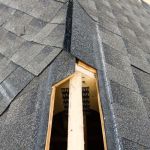 How to Install a Ridge Vent on a Roof with a Ridge Board Instead of a Peak
 What is a Roofing Boot? How to Replace a Cracked or Deteriorated Vent Pipe Boot
 How to Finance a New Roof Without Breaking the Bank
 Red Flags When Hiring a Roofer: Warning Signs of a Scam or Bad Contractor