- 1. Introduction: Why Roof Replacement Matters
- 2. The Average Lifespan of Different Roof Types
- 3. Key Factors That Affect Roof Lifespan
- 4. Signs It's Time to Replace Your Roof
- 5. How to Extend the Lifespan of Your Roof
1. Introduction: Why Roof Replacement Matters
Your roof is one of the most important components of your home, providing shelter, protection, and insulation. But just like other parts of your home, it doesn’t last forever. Over time, wear and tear from weather, age, and environmental factors can affect its integrity. Knowing when to replace your roof is crucial to prevent costly damage and maintain your home’s value. In this article, we’ll explore how often you should replace your roof and the key factors that determine its lifespan.

Holden Roofing (Houston Corporate) / holden roofing
RosenbergFort Bend CountyTexas
2128 1st St, Rosenberg, TX 77471, USA
2. The Average Lifespan of Different Roof Types
The lifespan of your roof largely depends on the material it is made of. Here are the average lifespans of some common roofing materials:
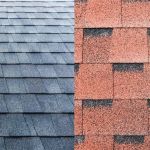
- Asphalt Shingles: Asphalt shingles are one of the most popular and affordable roofing options, lasting about 20 to 30 years with proper maintenance.
- Metal Roofs: Metal roofs are durable and can last between 40 to 70 years, depending on the material used and the quality of installation.
- Wood Shingles: Wood shingles and shakes have a lifespan of around 30 years, but they require regular maintenance to prevent rot and damage from moisture.
- Tile Roofs: Tile roofs, particularly clay and concrete, can last 50 years or more, making them one of the longest-lasting roofing materials.
- Slate Roofs: Slate is one of the most durable roofing materials, lasting 75 to 100 years, but it is also one of the most expensive options.
3. Key Factors That Affect Roof Lifespan
Several factors influence how long your roof will last, including:
- Climate: Extreme weather conditions such as heavy rain, snow, or intense heat can shorten the lifespan of your roof. In areas with severe weather, roofs may need to be replaced more often.
- Roof Maintenance: Regular maintenance, such as cleaning gutters and inspecting for damage, can significantly extend the life of your roof.
- Quality of Materials: The quality of the roofing materials used can impact their durability. Higher-quality materials tend to last longer, even under harsh conditions.
- Installation: A poorly installed roof may experience issues more quickly. Professional installation ensures the roof is properly sealed and structurally sound.
- Age of the Roof: Even with proper maintenance, roofs naturally degrade over time. As your roof ages, it may become more vulnerable to leaks, cracks, and other forms of damage.
4. Signs It's Time to Replace Your Roof
While the lifespan of a roof depends on its material, age, and maintenance, there are common signs that indicate it’s time to replace your roof:
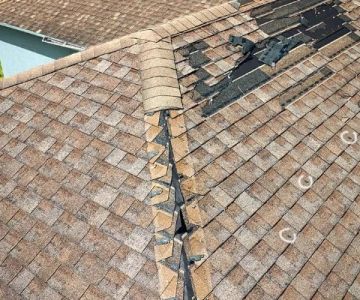
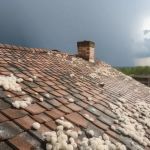
- Missing or Damaged Shingles: If shingles are missing, curled, or cracked, it’s a sign that your roof needs attention. A significant amount of damage often means a roof replacement is necessary.
- Leaks: Leaks inside the house, especially during heavy rain, indicate that your roof may no longer be protecting your home effectively. Persistent leaks are a clear sign of roof failure.
- Granules in Gutters: Asphalt shingles lose granules over time, which can accumulate in gutters. If you notice excessive granules, it may be time to replace your roof.
- Sunlight or Water Stains in Attic: Water stains on the ceiling or visible sunlight through the attic are signs of roof leaks that need urgent attention.
- Age of the Roof: If your roof is nearing or has surpassed the average lifespan of its material, it’s a good idea to have it professionally inspected for potential replacement.
5. How to Extend the Lifespan of Your Roof
Taking proactive steps to maintain your roof can extend its lifespan and delay the need for replacement:
- Regular Inspections: Have your roof inspected annually or after severe weather. Catching small issues early can prevent bigger problems down the line.
- Cleaning Gutters: Clean gutters regularly to prevent water buildup, which can damage your roof and cause leaks.
- Repair Damaged Shingles: If shingles become damaged or loose, replace them promptly to prevent further deterioration.
- Trimming Trees: Overhanging tree branches can damage the roof by scratching or causing debris to accumulate. Trim trees near your roof to reduce the risk of damage.
Roof replacement is a significant investment, but knowing when to replace your roof can help you save money and avoid costly repairs. If you're unsure whether it’s time for a replacement or need professional roofing services, visit Pro Found Roofing for expert advice and quality roofing services.

 Brady Contracting NC5.0 (4 reviews)
 Spectrum Renovation LLC4.0 (22 reviews)
 Bergin Roofing LLC5.0 (5 reviews)
 New Look Roofers5.0 (23 reviews)
 Relentless Roofing Co.5.0 (212 reviews)
 Aetna Roofing4.0 (8 reviews)
 The Average Cost of a Roof Replacement with CertainTeed Landmark PRO Shingles
 How to Clean Moss Off a Roof with a Zinc Strip Prevention System
 How to Inspect Your Roof for Damage After a Hailstorm
 How Attic Ventilation Impacts the Health of Your Roof
 Top 5 Roofing Materials Compared: Pros and Cons for Your Home
 How Attic Ventilation Impacts the Health of Your Roof