The Best Ventilation Systems for a Hot Attic: Reducing Heat Buildup in Summer
During the summer, attics can become unbearably hot, leading to increased cooling costs and potential damage to your home. Installing an efficient attic ventilation system is one of the best ways to combat heat buildup, improve your home's energy efficiency, and extend the lifespan of your roof. In this article, we will discuss the best ventilation systems for hot attics, explain how they work, and highlight the benefits they provide to homeowners looking to reduce heat in their attics.
- 1. Why Attic Ventilation is Crucial for Your Home
- 2. Types of Ventilation Systems for Hot Attics
- 3. Passive Ventilation: Simple Yet Effective
- 4. Active Ventilation Systems: Powered Solutions
- 5. Hybrid Ventilation: The Best of Both Worlds
- 6. Energy Efficiency and Long-Term Benefits of Proper Attic Ventilation
- 7. Final Thoughts and Choosing the Best System for Your Home
1. Why Attic Ventilation is Crucial for Your Home
Attic ventilation plays a crucial role in maintaining a comfortable and energy-efficient home. Without proper ventilation, hot air and moisture can become trapped in your attic, leading to various issues, including:
- Increased cooling costs due to heat buildup
- Damage to roofing materials and insulation
- Potential for mold and mildew growth
By installing a ventilation system, you can regulate the temperature in your attic, prevent moisture accumulation, and ensure that your HVAC system works efficiently.
Lance Roofing & Siding Inc. / lance roofing and siding
6903 Dayton Springfield Rd, Enon, OH 45323, USA
2. Types of Ventilation Systems for Hot Attics
There are several types of attic ventilation systems to choose from, each with its advantages depending on your home's design and climate. The two main categories of ventilation are passive and active systems, with a hybrid option that combines the best of both. Let's take a closer look at each one.

Rapid Response Roofing / rapid response roofing
East GreenvilleMontgomery CountyPennsylvania
408 State St, East Greenville, PA 18041, USA
3. Passive Ventilation: Simple Yet Effective
Passive ventilation relies on natural air circulation to keep your attic cool. It uses vents placed at high and low points of the attic to allow hot air to escape and cooler air to enter. The key to effective passive ventilation is ensuring that the airflow is unobstructed, and that the attic has adequate intake and exhaust vents.
3.1 Soffit Vents and Ridge Vents
One of the most common forms of passive ventilation is the combination of soffit vents and ridge vents. Soffit vents are located on the underside of the eaves, allowing cool air to flow in. Ridge vents, installed along the peak of the roof, let hot air escape. This natural airflow helps reduce attic temperature and prevents moisture buildup without the need for electrical power.
4. Active Ventilation Systems: Powered Solutions
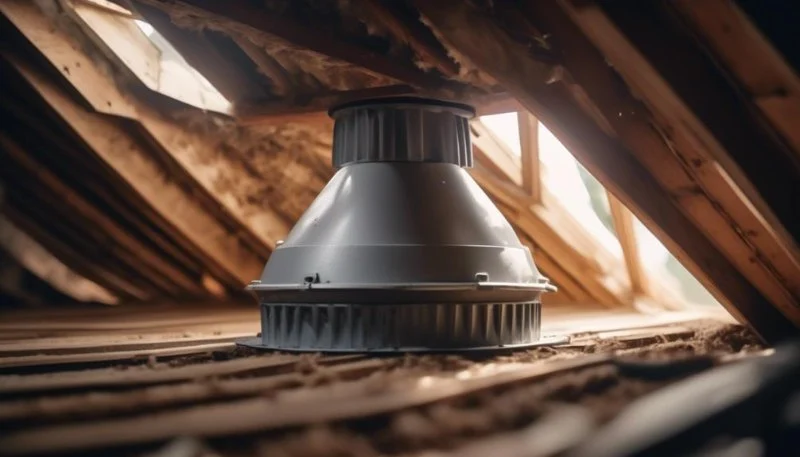
Active ventilation systems use powered fans to increase airflow in the attic. These systems are ideal for homes in areas with extreme heat or when passive ventilation alone isn't sufficient. Powered attic fans can be installed in the gable, roof, or even at the peak of the attic to pull hot air out more effectively.
4.1 Electric and Solar-Powered Attic Fans
There are two primary types of active ventilation fans: electric and solar-powered. Electric fans are powered by your home’s electricity and can be controlled by a thermostat or manual switch. Solar-powered fans, on the other hand, use the sun's energy to operate and can be a more eco-friendly, energy-efficient option. Both types of fans significantly enhance airflow, helping to reduce attic temperatures more quickly than passive systems alone.
5. Hybrid Ventilation: The Best of Both Worlds
A hybrid ventilation system combines both passive and active ventilation components. This system works automatically by relying on natural ventilation during cooler months and switching to powered fans during hotter months when the attic temperature rises. Hybrid systems are ideal for homeowners looking for a balanced approach to attic ventilation.
5.1 Benefits of Hybrid Systems
The primary benefit of a hybrid system is that it provides year-round ventilation. During mild temperatures, the passive vents work to maintain airflow, while the active fans kick in during the summer heat to provide additional cooling. This flexible approach can improve overall energy efficiency and help homeowners save on cooling costs.
6. Energy Efficiency and Long-Term Benefits of Proper Attic Ventilation
Proper attic ventilation doesn't just keep your attic cooler—it can also improve your home’s energy efficiency. By reducing the heat buildup in the attic, you help maintain a cooler temperature in the living areas below, which can reduce the workload on your air conditioning system. This can lead to lower energy bills during the summer months and extend the life of your HVAC system.
6.1 Preventing Roof Damage and Extending Roof Lifespan
In addition to improving comfort and reducing energy costs, proper attic ventilation can also help protect your roof. Heat buildup in an attic can cause roofing materials to degrade more quickly, leading to premature wear and the need for costly repairs. By keeping your attic well-ventilated, you help preserve the integrity of your roof and prevent the need for frequent replacements.
7. Final Thoughts and Choosing the Best System for Your Home
Choosing the best attic ventilation system for your home depends on several factors, including your climate, the design of your home, and your budget. Passive ventilation systems are a great choice for homes in mild climates, while active systems or hybrid solutions may be more suitable for homes in hotter regions. Regardless of which system you choose, proper attic ventilation is essential for reducing heat buildup, improving energy efficiency, and protecting your home from potential damage.
For expert advice and quality products, visit Pro Found Roofing to find the best attic ventilation solutions for your home. Our team can help you select the right system to improve your home's comfort and energy efficiency.

 Big City Roofing5.0 (1 reviews)
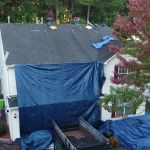 AMDS Remodeling Company5.0 (17 reviews)
 Apex Roofing Solutions, Inc.5.0 (208 reviews)
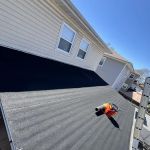 SPARTAN NY ROOF REPAIR EXPERT4.0 (14 reviews)
 Mighty Dog Roofing of Lexington5.0 (156 reviews)
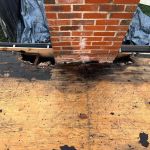 J. Cwanger Inc5.0 (78 reviews)
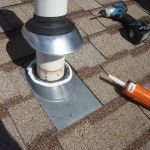 What is a Roofing Boot? How to Install a New Boot on an Old Pipe Vent
 The Advantages of a Standing Seam Metal Roof for Solar Panel Installation
 How Solar Panels Affect Your Roof – What You Need to Know
 The Best Time to Paint a Metal Roof for the Best Adhesion and Longevity
 How to Finance a New Roof Without Breaking the Bank – Complete U.S. Guide
 DIY Roof Repair Tips: What You Can Safely Do Yourself