Flat Roofs vs. Sloped Roofs: Which One Should You Choose?
- 1. Understanding the Differences Between Flat and Sloped Roofs
- 2. Advantages of Flat Roofs
- 3. Advantages of Sloped Roofs
- 4. Costs of Flat vs. Sloped Roofs
- 5. Maintenance Considerations for Flat and Sloped Roofs
- 6. How to Choose the Right Roof for Your Property
- 7. How Pro Found Roofing Can Help
1. Understanding the Differences Between Flat and Sloped Roofs
When deciding between a flat roof and a sloped roof, it’s essential to understand the differences in design, functionality, and suitability for your property. Both types of roofs have their advantages and disadvantages, depending on your needs and budget.
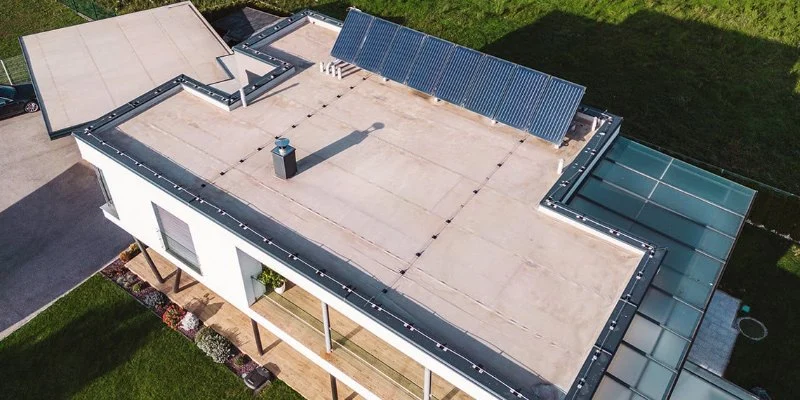
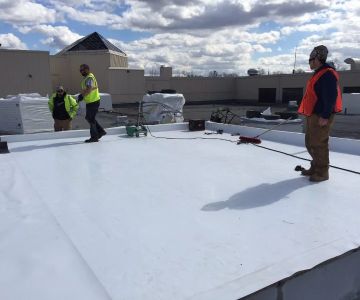
A flat roof has little to no slope and is often used in modern commercial buildings and some residential properties. It offers a more contemporary aesthetic and is typically easier and faster to install. In contrast, sloped roofs have a significant incline and are the more traditional choice for residential homes, offering better drainage and a more classic appearance.
2. Advantages of Flat Roofs
Flat roofs offer several benefits that may make them the right choice for certain properties. Here are some of the key advantages:
- Cost-Effective: Flat roofs are generally more affordable to install compared to sloped roofs, as they require fewer materials and less labor.
- Space Efficiency: Flat roofs can be utilized for additional outdoor space, such as rooftop gardens, patios, or solar panel installations.
- Easy to Maintain: The flat surface of the roof makes it easier to access for inspections, maintenance, and repairs, as there are no steep angles to navigate.
- Modern Aesthetic: Flat roofs offer a sleek, modern look, often used in minimalist or contemporary architectural designs.
3. Advantages of Sloped Roofs
Sloped roofs are the more traditional option and have a variety of advantages as well:
- Better Drainage: The slope of the roof naturally facilitates the drainage of rainwater and snowmelt, reducing the risk of water pooling, leaks, and ice dams.
- Durability: Sloped roofs are typically more durable and have a longer lifespan due to their ability to handle weather conditions such as heavy snow and rain more efficiently.
- Increased Property Value: Many homebuyers prefer the aesthetic and structural benefits of sloped roofs, making them a desirable feature that can increase property value.
- Variety of Material Options: Sloped roofs offer a wider range of roofing materials such as shingles, tiles, and metal, providing more choices to match your style and budget.
4. Costs of Flat vs. Sloped Roofs
One of the most significant factors in deciding between a flat roof and a sloped roof is the cost. While flat roofs are typically cheaper to install, sloped roofs may have a higher upfront cost due to the additional materials and labor involved.
Flat roofs often require less material because they don’t need to support the weight of shingles, tiles, or other materials commonly used on sloped roofs. However, sloped roofs are often more durable in the long term and may require fewer repairs over their lifespan. When considering the costs, it’s essential to balance the initial investment with long-term durability and maintenance.
5. Maintenance Considerations for Flat and Sloped Roofs
Maintenance plays a crucial role in the longevity of your roof, whether it’s flat or sloped. Each type has its own unique maintenance needs:
- Flat Roofs: Flat roofs require more regular maintenance to prevent water pooling and to ensure that debris is cleared regularly. Sealing and drainage systems must be checked frequently to avoid leaks.
- Sloped Roofs: Sloped roofs need less frequent maintenance but may require occasional cleaning to remove leaves or other debris. Snow and ice removal may be necessary in colder climates to prevent damage to the roof structure.
6. How to Choose the Right Roof for Your Property
When choosing between a flat roof and a sloped roof, consider the following factors:
- Climate: If you live in an area with heavy snowfall, a sloped roof is often a better choice for managing snow and water runoff. Flat roofs may require additional drainage systems to prevent water damage.
- Building Design: The architectural style of your building plays a significant role in the choice of roofing. Flat roofs are often better suited for modern designs, while sloped roofs are more fitting for traditional homes.
- Budget: Flat roofs are generally more affordable to install, but sloped roofs tend to have a longer lifespan and may be more cost-effective in the long run due to less frequent repairs and maintenance.
7. How Pro Found Roofing Can Help
At Pro Found Roofing, we specialize in both flat and sloped roofing solutions, offering expert advice, high-quality materials, and professional installation. Whether you’re building a new home or renovating your current property, our team can help you choose the best roofing solution based on your needs, budget, and the specific conditions of your property.
Contact Pro Found Roofing today for a free consultation and to learn more about our roofing options that will ensure your home is protected for years to come.

 Williams & Sons Roofing & Remodeling4.0 (35 reviews)
 House Transformers Inc. VA0.0 (0 reviews)
 Johnson Restoration Services4.0 (47 reviews)
 Service PRO'S Roofing and Gutters0.0 (0 reviews)
 KLIM Roofing and Construction5.0 (1 reviews)
 Longhorn Commercial Roofing5.0 (1 reviews)
 How to Install Roofing Underlayment Around Roof Penetrations like Vents
 Can You Install a New Roof Over an Old One? The Legal and Practical Facts
 What is a Roofing Membrane? A Guide to EPDM, TPO, and PVC for Flat Roofs
 The Best Roofing Nails for the Job: Material, Length, and Shank Type Explained
 Energy-Efficient 'Cool Roofs': How They Can Significantly Lower Your Cooling Bills
 How to Identify Hail Damage on Different Types of Roofing Materials