
- overview-flat-roof-cost-differences-between-commercial-and-residential-structures
- key-drivers-that-shape-flat-roof-replacement-pricing
- material-choices-and-their-impact-on-total-roofing-expenses
- labor-complexity-and-safety-factors-in-commercial-vs-residential-projects
- real-world-examples-of-roof-replacement-budget-planning
- strategies-to-reduce-overall-roofing-costs-without-sacrificing-quality
- how-to-choose-the-right-roofing-professional-for-long-term-value
Understanding Flat Roof Replacement Cost Differences in Commercial vs Residential Properties
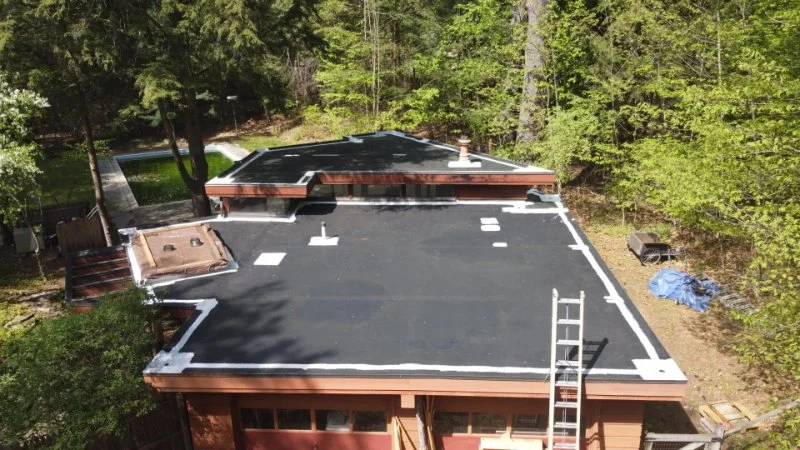
When property owners begin researching flat roof replacement cost commercial vs residential, one of the first surprises is how wide the pricing gap can be. A flat roof on a small residential home might seem structurally similar to one on a commercial warehouse, but the reality is far more complex. Scale, materials, drainage design, insulation requirements, and safety regulations all shift the cost dramatically depending on use case.
In residential settings, flat roofs are usually simpler, smaller in surface area, and designed for basic weather protection. Commercial roofs, on the other hand, often cover large buildings with HVAC systems, skylights, heavy foot traffic zones, and strict compliance requirements. These differences are the foundation for why pricing is rarely comparable on a one-to-one basis.

SB Pro Roofing / sb pro roofing
Pinellas ParkPinellas CountyFlorida
6358 49th St N, Pinellas Park, FL 33781, USA
Key Cost Drivers That Influence Roofing Budgets
Roof Size and Structural Complexity
Size is the most obvious factor. A residential flat roof may range from 1,000 to 2,500 square feet, while commercial properties can easily exceed 20,000 square feet. But size alone doesn’t tell the full story. Commercial roofs often include multiple levels, equipment zones, and drainage channels that require additional engineering and labor.

Holden Roofing (Houston Corporate) / holden roofing
RosenbergFort Bend CountyTexas
2128 1st St, Rosenberg, TX 77471, USA
Accessibility and Safety Regulations
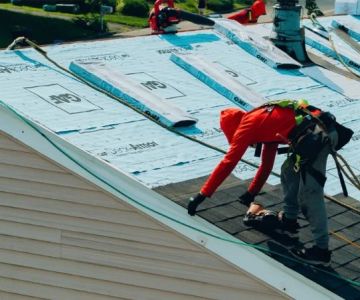
Commercial roofing projects must follow stricter OSHA safety standards. This often means scaffolding, fall protection systems, and specialized crew coordination. These requirements significantly increase labor costs compared to residential roof replacements, where access is typically more straightforward.
Permits and Compliance Requirements
Commercial buildings often require inspections, energy compliance documentation, and city-level permitting that adds both time and expense. Residential projects are usually more streamlined, although they still require local code adherence.
Material Selection and Its Direct Impact on Cost
Material choice plays a central role in determining flat roof replacement cost commercial vs residential. The most common flat roofing systems include EPDM rubber, TPO membranes, modified bitumen, and PVC roofing systems.
Residential Roofing Materials
Homeowners often prioritize affordability and ease of installation. EPDM rubber and modified bitumen are popular choices because they offer durability without excessive cost. Residential systems also tend to have fewer insulation layers and simpler drainage design.
Commercial Roofing Materials
Commercial buildings frequently require higher-performance materials such as TPO or PVC, especially when energy efficiency and UV resistance are priorities. These systems are more expensive but designed to withstand higher thermal loads and environmental stress.
In many cases, commercial roofs also incorporate multi-layer insulation systems, which increase upfront costs but reduce long-term energy expenses. This long-term thinking is a key difference between residential and commercial roofing decisions.
Labor Costs and Project Complexity
Labor is often the largest variable in any roofing project. In residential cases, crews can complete replacements in a matter of days. Commercial jobs, however, may take weeks depending on weather conditions, building size, and operational constraints.
A real-world example illustrates this clearly. A mid-sized retail warehouse in Ohio recently underwent a full roof replacement. While the materials accounted for a significant portion of the budget, nearly 55% of total cost came from labor, safety equipment, and phased installation requirements. Meanwhile, a nearby residential flat roof replacement completed by the same contractor cost less than one-third of the commercial project due to simplified logistics.
For property owners trying to understand pricing, working with professionals like Pro Found Roofing can help break down these labor dynamics in a transparent and realistic way, ensuring there are no surprises during execution.
Real-World Scenarios That Show Pricing Variations
Case Study: Residential Flat Roof Upgrade
A homeowner in Arizona replaced a 1,800-square-foot flat roof after years of UV exposure damage. The project used a single-layer TPO membrane with upgraded insulation. The total cost remained relatively moderate because the roof had no complex penetrations or mechanical systems.
Case Study: Commercial Office Building Replacement
A commercial office building in Texas required a full tear-off and replacement of a 25,000-square-foot roof. The building had multiple HVAC units, internal drainage systems, and strict tenant occupancy schedules. The project required phased installation, nighttime work, and safety compliance inspections, significantly increasing costs compared to residential norms.
These examples highlight how identical roofing systems can produce drastically different pricing outcomes depending on structure type and usage demands.
Long-Term Value vs Upfront Investment
When evaluating flat roofing costs, it’s important not to focus solely on upfront expenses. Commercial property owners often invest more initially because long-term performance directly impacts operational efficiency and tenant satisfaction. Residential owners, meanwhile, often prioritize affordability and ease of maintenance.
A well-installed commercial roof can reduce cooling costs significantly over time, especially when reflective materials are used. Residential systems, while simpler, still benefit from proper insulation and drainage design to prevent future repair expenses.
How to Reduce Roofing Costs Without Sacrificing Quality
Cost optimization doesn’t mean cutting corners. Instead, it means making strategic decisions. Timing a project during off-peak seasons, selecting the right material for climate conditions, and ensuring proper drainage design can all reduce long-term expenses.
Another effective strategy is bundling repairs with full replacement planning. Many property owners spend more over time by delaying necessary upgrades, leading to structural damage that increases eventual replacement costs.
Choosing the Right Roofing Professional for Better Outcomes
Selecting the right contractor is often more important than selecting the material itself. Experienced professionals understand how to balance cost, durability, and compliance requirements. They can also identify hidden issues such as insulation gaps, water pooling risks, or structural weaknesses that may not be visible during initial inspection.
Working with a specialized roofing service like Pro Found Roofing can provide clearer cost breakdowns, material recommendations, and long-term maintenance strategies tailored to either residential or commercial properties.
Ultimately, understanding flat roof replacement cost commercial vs residential is less about finding a single price and more about understanding the ecosystem of factors behind it. Once these elements are clear, property owners can make confident, financially sound decisions that protect their buildings for decades.
 Southern Roofing LLC0.0 (0 reviews)
 Yost Stucco Siding and Roofing.4.0 (7 reviews)
 Best Team Roofing & Exteriors4.0 (54 reviews)
 D3 CONSTRUCTION LLC0.0 (0 reviews)
 SummitSeal Roofing5.0 (4 reviews)
 RIG Roofing of Lakeland4.0 (88 reviews)
 How to Prepare Your Roof for Hurricane or Tornado Season
 Understanding Roof Ventilation Systems and Why They Matter
 How to Fix a Leaking Roof Around a Chimney: Step-by-Step Flashing Repair | Pro Found Roofing
 Understanding What Is Included in a Roof Replacement Estimate
 Roof Replacement ROI: Does a New Roof Increase Home Value?
 How to Avoid Insurance Claim Denial for Roof Damage: Expert Tips