How Attic Ventilation Impacts the Health of Your Roof
- 1. Importance of Attic Ventilation
- 2. How Attic Ventilation Affects Roof Health
- 3. Common Problems Caused by Poor Attic Ventilation
- 4. How to Improve Attic Ventilation
- 5. When to Consult a Professional for Attic Ventilation
1. Importance of Attic Ventilation
Proper attic ventilation is a crucial aspect of maintaining a healthy roof and a well-functioning home. Ventilation in the attic allows for the flow of air, which helps to regulate temperature and moisture levels. Without adequate ventilation, your attic can become a breeding ground for issues that may affect not only the roof but also the overall health of your home.
Good attic ventilation ensures that the attic remains cool in the summer and dry in the winter, which can help prevent roof damage, mold growth, and even ice dams during cold weather. It is essential for extending the lifespan of your roof and maintaining the energy efficiency of your home.
2. How Attic Ventilation Affects Roof Health
Attic ventilation plays a significant role in protecting the health of your roof. A well-ventilated attic prevents heat buildup, reduces moisture accumulation, and helps maintain the structural integrity of your roof. Here’s how ventilation directly impacts your roof’s health:
- Prevents Heat Buildup: In the summer, the heat trapped in an unventilated attic can cause roofing materials to deteriorate faster. By allowing air to flow freely through the attic, ventilation helps regulate the temperature, preventing damage to your shingles and reducing the chances of heat-related issues.
- Prevents Moisture Issues: Excess moisture in the attic can lead to mold and mildew growth, which can weaken the roof and pose health risks. Proper ventilation helps to keep the attic dry by allowing moist air to escape, preventing these issues from developing.
- Reduces Ice Dams: During winter, poor attic ventilation can cause heat to escape from the attic, melting snow on the roof. This melted snow refreezes at the eaves, forming ice dams that can damage the roof and gutters. Good ventilation keeps the attic temperature balanced, preventing the formation of ice dams.
With the right ventilation, you can improve your roof’s performance and protect your home from costly damage.
3. Common Problems Caused by Poor Attic Ventilation
When attic ventilation is insufficient or ineffective, a variety of roofing issues can arise. Here are some common problems caused by poor attic ventilation:
- Roof Shingle Damage: Excess heat can cause shingles to crack, curl, and deteriorate prematurely. This can reduce the lifespan of your roof and lead to costly repairs.
- Mold and Mildew Growth: Moisture buildup in a poorly ventilated attic can promote the growth of mold and mildew. This not only damages your roof structure but also affects the air quality inside your home.
- Ice Dams: As mentioned earlier, heat buildup in the attic can melt snow on the roof, leading to the formation of ice dams at the roof’s edge. This prevents proper drainage and can cause water to back up under the shingles, leading to leaks and roof damage.
- Increased Energy Costs: Without proper ventilation, your attic can become too hot in the summer or too cold in the winter, causing your HVAC system to work harder to regulate the temperature inside your home. This results in higher energy bills.
If you notice any of these issues, it may be a sign that your attic ventilation is inadequate and should be addressed to maintain the health of your roof and home.
4. How to Improve Attic Ventilation
If you’ve identified that your attic ventilation is lacking, it’s important to take steps to improve it. Here are a few solutions to enhance ventilation in your attic:
- Add Soffit Vents: Soffit vents allow cool air to enter the attic, helping to push warm, moist air out. These vents are typically installed along the eaves of the roof and are essential for creating proper airflow.
- Install Ridge Vents: Ridge vents are placed along the peak of the roof, allowing hot air to escape. When combined with soffit vents, ridge vents create an efficient air circulation system that keeps the attic cool and dry.
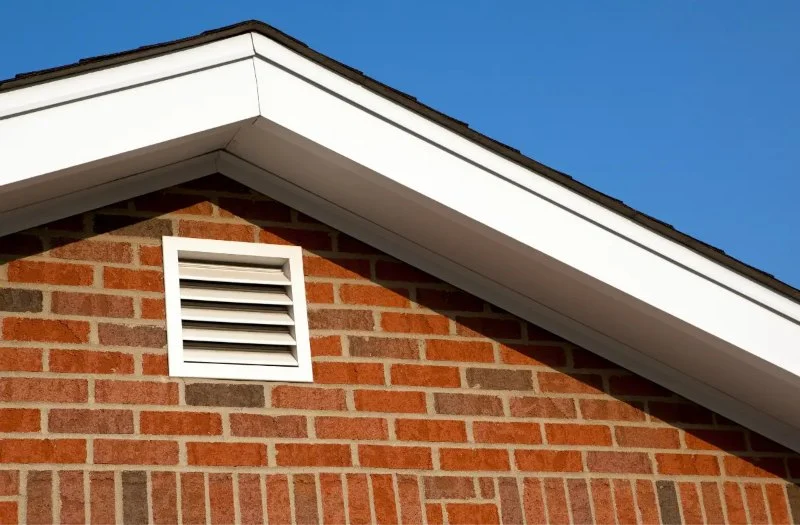
- Use Gable Vents: Gable vents are installed on the sidewalls of the attic and help to facilitate air movement. They work well in conjunction with soffit and ridge vents for optimal attic ventilation.
- Consider Mechanical Ventilation: If natural ventilation is not enough, you can install mechanical ventilation systems like attic fans to help improve airflow. These fans can be powered by electricity or solar energy and provide consistent airflow to keep the attic cool and dry.
Improving attic ventilation may require a professional inspection, especially if you’re dealing with a complex roofing system. However, the investment in proper ventilation will pay off by increasing the longevity of your roof and improving energy efficiency.
5. When to Consult a Professional for Attic Ventilation
While some homeowners can handle basic attic ventilation upgrades on their own, it’s often best to consult a professional when dealing with more complex issues. Here are some situations when you should consider reaching out to a roofing or ventilation expert:
- If You Have Extensive Roof Damage: If you’re dealing with roof damage or aging shingles, it’s a good idea to consult a professional to ensure that the attic ventilation is working properly before repairing or replacing the roof.
- If You’re Uncertain About the Right Ventilation System: A roofing professional can assess your attic and recommend the best ventilation system based on your home’s specific needs and local climate.
- If You’re Installing a New Roof: When replacing or installing a new roof, make sure that the ventilation system is also updated. A professional roofer can help integrate the right ventilation system during the roofing installation process.
Consulting a professional ensures that your attic ventilation system is installed or repaired correctly, helping to preserve the health of your roof and the overall energy efficiency of your home.
 The Thrashers4.0 (34 reviews)
 ASAP Roofing NH5.0 (46 reviews)
 Tri-County Commercial Roofing LLC4.0 (16 reviews)
 Nations Building Services LLC4.0 (20 reviews)
 Ohio's Finest Roofing5.0 (27 reviews)
 Roofing by DryTech Exteriors5.0 (616 reviews)
 How to Choose the Right Gutter System to Protect Your Roof and Foundation
 The Average Cost of a Roof in California vs. Florida: Regional Price Differences
 How to Inspect Your Roof from the Ground: A Simple Guide for Homeowners
 What is a Roofing Warranty? What 'Prorated' and 'Non-Prorated' Means for You
 What is a Roofing Nail? Why Over-Driven or Under-Driven Nails Cause Problems
 Understanding Roofing Ventilation Systems and Why They Matter