The Best Roof Styles for High Rainfall and Snowfall Areas
- 1. The Importance of Roof Design in Wet and Snowy Climates
- 2. Best Roof Styles for High Rainfall Areas
- 3. Roof Styles for Areas with Heavy Snowfall
- 4. Roofing Solutions for Both Rain and Snow
- 5. Real-Life Example: How the Right Roof Can Prevent Damage
- 6. Final Thoughts on Choosing the Right Roof for Your Climate
1. The Importance of Roof Design in Wet and Snowy Climates
Choosing the right roof style is crucial when you live in areas prone to high rainfall or heavy snowfall. The roof of your home plays a key role in protecting the structure from water damage, ice buildup, and other weather-related issues. A well-designed roof not only keeps your home dry and warm but also minimizes maintenance costs and extends the lifespan of your roof materials.
In climates with heavy rainfall or frequent snowstorms, the roof design must efficiently channel water away and prevent snow accumulation that can cause serious structural damage. In this article, we will discuss the best roof styles and materials for regions with these challenging weather conditions, as well as tips for ensuring that your roof remains durable and effective.

JK Contractors / jk roofing
West BendOzaukee CountyWisconsin
3058 County Rd Y, West Bend, WI 53095, USA
2. Best Roof Styles for High Rainfall Areas
For areas with frequent or intense rainfall, your roof must be designed to handle large volumes of water. The goal is to create a slope that directs rainwater away from the home, reducing the risk of leaks and water pooling on the roof. Here are the best roof styles for high rainfall areas:

Rapid Response Roofing / rapid response roofing
East GreenvilleMontgomery CountyPennsylvania
408 State St, East Greenville, PA 18041, USA
1. Gable Roof
A gable roof features two sloping sides that meet at a ridge, creating a triangular shape. This roof design is one of the most effective in areas with heavy rainfall, as the steep pitch allows rainwater to flow off the roof quickly. Gable roofs are also simple to construct and provide excellent ventilation in the attic, which helps prevent moisture buildup.
2. Hip Roof
A hip roof has slopes on all four sides, which makes it highly effective at shedding water during heavy rain. The slanted design reduces the likelihood of water pooling and helps prevent leaks. Hip roofs are also more stable than gable roofs, making them ideal for regions that experience high winds in addition to heavy rainfall.
3. Shed Roof
A shed roof has a single sloping plane, which is great for directing water away from the home. It’s a simple and cost-effective option that works well for modern homes or small structures. While not as common as gable or hip roofs, shed roofs are still effective in areas with moderate to heavy rainfall when combined with proper drainage systems.
3. Roof Styles for Areas with Heavy Snowfall
Snow can place significant weight on your roof, and improper roof design can lead to dangerous snow accumulation, which may cause structural damage. The following roof styles are particularly well-suited for areas with heavy snowfall:
1. A-Frame Roof
The A-frame roof, characterized by steeply sloping sides, is one of the best choices for regions with heavy snowfall. The steep pitch allows snow to slide off easily, preventing accumulation that could put too much weight on the roof. This roof style is also ideal for colder climates because it maximizes the amount of attic space, which can be used for insulation.
2. Mansard Roof
A mansard roof has two slopes on each of its four sides, with the lower slope being steeper than the upper one. This design is effective for shedding snow and is often seen in homes with a French architectural style. The steepness of the lower slope allows snow to slide off easily, reducing the risk of ice dams and snow buildup.
3. Gambrel Roof
Often referred to as the "barn" roof, the gambrel roof has two slopes on each side, with the lower slope being much steeper than the upper one. Similar to the mansard roof, the steep pitch of the gambrel roof helps snow slide off more efficiently, making it a good option for snowy areas. It also offers a significant amount of attic space, which is ideal for insulation and energy efficiency.
4. Roofing Solutions for Both Rain and Snow
If you live in an area that experiences both heavy rainfall and snowfall, it’s important to choose a roof style that can handle both elements effectively. The following roofs are particularly well-suited for these regions:
1. Modified Bitumen Roofing
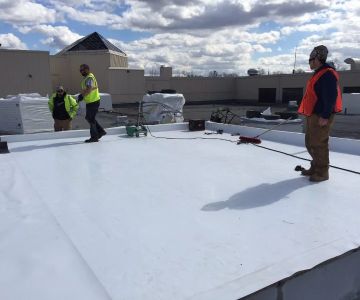
Modified bitumen roofing is a durable and waterproof roofing material made from asphalt. It’s often used in flat or low-pitched roofs, where water runoff might be slower. This material is particularly effective in areas that experience both rain and snow, as it is resistant to both water penetration and snow accumulation.
2. Standing Seam Metal Roof
A standing seam metal roof is one of the most effective options for areas with both heavy rain and snow. The metal panels are designed with raised seams, allowing water and snow to slide off the roof more easily. Additionally, metal roofs are highly durable, weather-resistant, and capable of withstanding both rain and snow without deteriorating over time.
3. Asphalt Shingles with Proper Ventilation
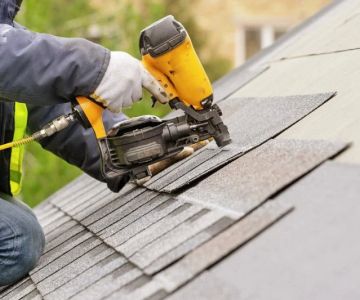
Asphalt shingles are a cost-effective option that can perform well in areas with moderate rain and snow. When combined with proper attic ventilation and an underlayment designed to prevent water penetration, asphalt shingles can effectively handle both rain and snow. This roofing style is commonly seen in residential homes due to its affordability and ease of installation.
5. Real-Life Case Study: How the Right Roof Can Prevent Damage
A homeowner in the Pacific Northwest faced significant water damage and roof leaks after choosing a flat roof that was unable to handle the region’s heavy rainfall. The water pooled on the roof, causing leaks inside the home. After replacing the flat roof with a gable roof, the homeowner saw a dramatic reduction in water-related issues. The steep pitch of the new roof allowed water to flow off quickly, preventing leaks and water damage. This real-life case highlights the importance of choosing the right roof style for your area’s climate to avoid costly repairs.
6. Final Thoughts on Choosing the Right Roof for Your Climate
When choosing a roof style for areas with high rainfall and snowfall, it’s important to consider the roof’s ability to shed water and snow efficiently. The right roof style not only protects your home from weather-related damage but also contributes to the overall durability and energy efficiency of your house. Whether you choose a gable roof, a metal roof, or a more traditional option like asphalt shingles, make sure that your roofing system is designed to handle the unique weather conditions in your area.
If you need expert guidance or high-quality roofing solutions, visit Pro Found Roofing for the best products and services tailored to your home’s needs.

 Woods Roofing LLC5.0 (38 reviews)
 Three Brother's Roofing4.0 (8 reviews)
 Nxt Level Roofing and Construction LLC4.0 (23 reviews)
 StrataSpray0.0 (0 reviews)
 Prairie Exteriors & Painting, LLC4.0 (176 reviews)
 McNeil Roofing Inc4.0 (7 reviews)
 How to Identify and Repair Damaged Roof Decking from Long-Term Leaks
 The Signs of a Roof Leak in Your Attic: Stains, Mold, and Wet Insulation
 Green Roofing Solutions for Sustainable Homes in the U.S.: Eco-Friendly Options
 How to Install Roofing Underlayment on a Steep Pitch Roof Safely
 What to Do When Your Roof Fails a Home Inspection
 The True Cost of a Slate Roof: Installation, Maintenance, and Lifespan