How to Identify and Repair Damage from a Recent Flood to Your Roof Structure
- - Understanding Roof Damage After a Flood
- - Signs of Flood Damage to Look Out For
- - Step-by-Step Guide to Roof Inspection
- - Repair Options for Flood-Damaged Roofs
- - When to Call a Professional Roofing Service
1. Understanding Roof Damage After a Flood
Flooding can cause significant damage to a home, and the roof is often one of the most vulnerable areas. When floodwaters rise, they can seep into various parts of your roof structure, causing water damage, weakening materials, and even compromising the roof’s overall integrity. It's crucial to act swiftly to identify and repair any flood-related damage to prevent long-term issues.
Flood damage can vary depending on the severity of the water exposure, the materials used in your roof, and the duration of the exposure. Roofs with weak spots or pre-existing damage are especially vulnerable to further deterioration after a flood. The good news is that with timely action and proper repairs, you can restore the safety and functionality of your roof.

Rapid Response Roofing / rapid response roofing
East GreenvilleMontgomery CountyPennsylvania
408 State St, East Greenville, PA 18041, USA
2. Signs of Flood Damage to Look Out For
Flood damage may not always be immediately visible, so it's important to know what signs to look for during a roof inspection. Here are common indicators that your roof has been affected by a recent flood:

Holden Roofing (Houston Corporate) / holden roofing
RosenbergFort Bend CountyTexas
2128 1st St, Rosenberg, TX 77471, USA
2.1 Water Stains on the Ceiling
If you notice water stains or discoloration on your ceiling or walls, it's a sign that water has penetrated your roof. The stains may appear brown or yellow and often indicate that water has been pooling in your attic or roof space.
2.2 Sagging Roof Deck
When water saturates the roof deck, it can cause the materials to weaken, leading to sagging. If you notice any areas of your roof that appear to be sagging or bowed, this is a serious sign of structural damage caused by floodwaters.
2.3 Missing or Damaged Shingles
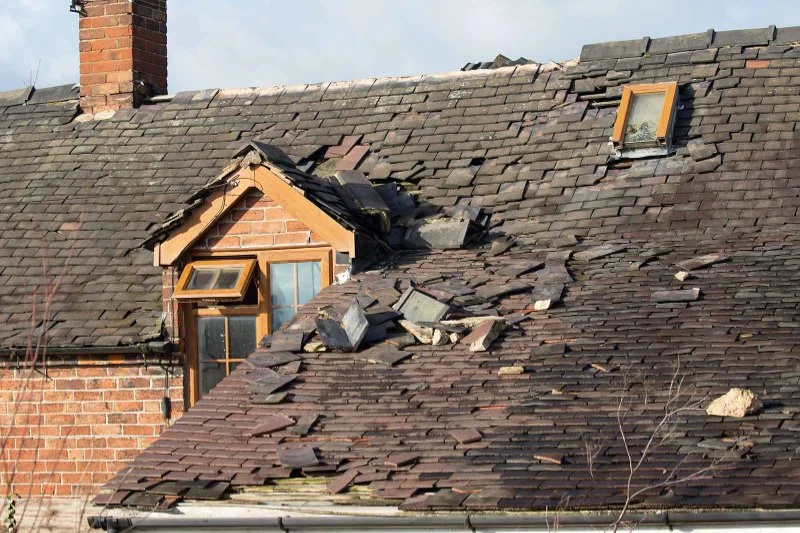
Floodwaters can cause shingles to loosen, crack, or peel off, especially if the water is particularly high or if there has been a storm that accompanied the flooding. Missing or damaged shingles leave your roof exposed to the elements and may result in further water damage if not repaired quickly.
2.4 Mold or Mildew Growth
Excess moisture from flooding can promote mold and mildew growth, particularly in areas of your roof that may not have dried out completely. Mold can damage roof materials and negatively impact your home's air quality. Look for visible mold or a musty odor in the attic or ceiling areas.
3. Step-by-Step Guide to Roof Inspection
Inspecting your roof after a flood is essential to identifying damage and preventing further issues. Follow these steps to conduct a thorough roof inspection:
3.1 Start with a Visual Inspection
Begin by carefully walking around the exterior of your home, looking for any obvious signs of damage. Look for displaced shingles, sagging, or water stains on the roof’s surface. Check the gutters and downspouts for debris or clogs that could indicate water damage.
3.2 Check the Attic for Water Damage
Head to your attic to inspect the underside of the roof. Look for any water stains, leaks, or signs of moisture accumulation. If the attic insulation is wet, it can be a clear sign that the floodwater has seeped into the roof structure.
3.3 Use a Ladder for Close Inspection
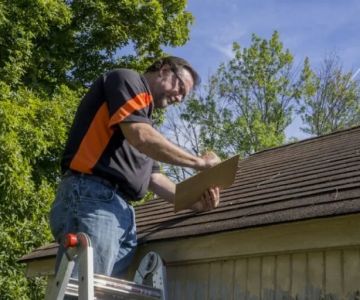
If it's safe, use a ladder to get a closer look at the roof. Be cautious and ensure that the ladder is stable. Look for cracks, missing shingles, and any areas of damage that might not have been visible from the ground. Inspect flashing around chimneys, vents, and skylights, as these areas are often more prone to leaks.
3.4 Inspect for Structural Issues
Check the roof deck for any signs of warping, sagging, or rot. If you find any soft spots in the wood, it indicates that water has caused significant damage to the structural integrity of the roof. This could require more extensive repairs or replacement of damaged sections of the roof deck.
4. Repair Options for Flood-Damaged Roofs
Once you've identified the areas of damage, it's time to consider the repair options available. The approach will depend on the extent of the damage:
4.1 Replacing Missing or Damaged Shingles
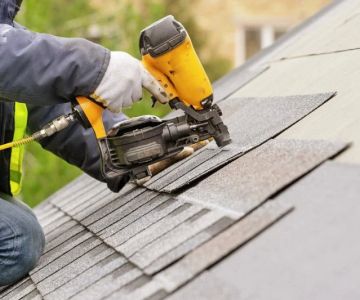
If only a few shingles are damaged or missing, you may be able to replace them yourself. Make sure to match the new shingles to the existing ones in terms of size, color, and material. For large-scale damage or if you're unsure, it's best to call a professional roofer to handle the repairs.
4.2 Repairing or Replacing the Roof Deck
If the roof deck has become warped or saturated with water, you may need to replace the affected sections. This can be a more extensive and costly repair, but it's necessary to restore the structural integrity of the roof. A professional roofing company can provide an assessment and recommend the best course of action.
4.3 Mold Remediation
If you find mold or mildew growth in your attic or on the roof, it's essential to remove it safely. Professional mold remediation services can help ensure that the mold is completely eradicated and that no further damage occurs to your roof or home.
5. When to Call a Professional Roofing Service
While small repairs can sometimes be handled by homeowners, roof damage caused by flooding can be complicated and dangerous to fix on your own. It's always best to call a professional roofing service if you're unsure about the extent of the damage or if your roof requires significant repairs.
Professional roofers can inspect your roof thoroughly, provide an accurate assessment, and ensure that all repairs are completed according to safety standards. They also have the necessary tools and materials to address issues like mold, structural damage, and replacing shingles.
6. Conclusion
Flood damage to your roof can lead to serious issues if not addressed promptly. By following a thorough inspection process and repairing any damage you find, you can restore your roof’s integrity and ensure the safety of your home. If the damage is extensive, don’t hesitate to contact a professional roofing service for assistance. Timely repairs will help protect your home from further damage and extend the lifespan of your roof.
For more help with roof inspections and repairs, visit Pro Found Roofing for expert solutions and advice.

 AA Rite-Way Roofing4.0 (328 reviews)
 911 Restoration Exteriors LLC3.0 (2 reviews)
 ATFII4.0 (12 reviews)
 Winter Park Roofing Services4.0 (18 reviews)
 ROOFX Roofing5.0 (98 reviews)
 Roof Works5.0 (99 reviews)
 How to Fix a Leak in a Roof Where Two Different Roof Pitches Meet
 How to Identify and Repair Damaged Roof Decking from Long-Term Leaks
 What is a Roofing Membrane? A Guide to EPDM, TPO, and PVC for Flat Roofs
 The Cost of Replacing Roof Decking: When and Why It's Necessary
 Metal Roofs vs. Asphalt Shingles: Which Is Better for Your Home?
 How to Install Drip Edge on Rakes and Eaves for Complete Water Management