- 1-Identifying Fire Damage on the Roof
- 2-Assessing the Severity of the Damage
- 3-Repair Options for Small Fire Damage
- 4-Safety Precautions to Take During Repair
- 5-When to Call in a Professional Roofing Service
1-Identifying Fire Damage on the Roof
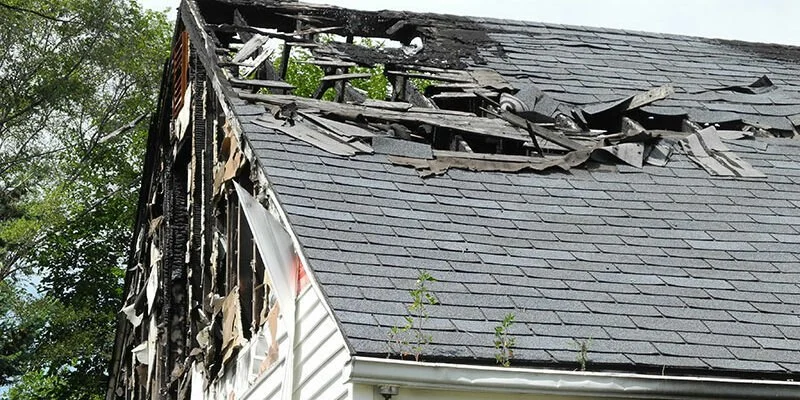
After a fire, even a small one, it’s important to assess the damage to your roof to ensure your home remains secure. Roofs are especially vulnerable to fire damage due to their exposure to the elements. A small fire can leave behind burns, scorch marks, or even structural damage that may not be immediately obvious. Identifying these signs early can save you from more extensive repairs down the road.
Some of the first things to look for are:
- Visible burn marks: Look for any blackened spots on your shingles or roofing materials. These may indicate the presence of heat damage.
- Discoloration: Check for discoloration, such as yellowing or browning of the roof. This could be a sign of heat exposure.
- Damaged or missing shingles: Shingles that are cracked, curled, or completely missing should be replaced immediately.
- Loose or warped flashing: Flashing that has been compromised by heat may cause leaks. Inspect around chimneys, vents, and skylights for potential issues.
2-Assessing the Severity of the Damage
Once you’ve identified visible damage, it’s crucial to assess the extent of the damage to determine if a simple repair will suffice or if a full replacement is necessary. The severity of fire damage on a roof depends on the intensity and duration of the fire, as well as the type of roofing material used.
Here’s how to assess the damage:
- Check for structural damage: Inspect the underlying structure of your roof. If the wood decking or rafters are charred or weakened, the integrity of the roof is at risk. Structural damage will require professional intervention.
- Water damage: Fire damage can often lead to leaks. If there’s any indication of water penetration, such as dark spots on your ceiling or walls, it’s crucial to address this immediately to prevent mold and further deterioration.
- Roof insulation: If the fire reached the insulation beneath the shingles, it may need to be replaced to ensure the roof's efficiency and safety.
3-Repair Options for Small Fire Damage
If the damage is minimal and contained to the outer layers of the roof, you may be able to perform simple repairs. Below are some common repair options for small fire-related damage:
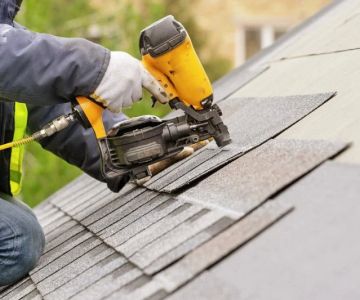
- Replacing damaged shingles: If you notice that individual shingles are burned or damaged, replace them with new ones. Ensure that the new shingles match the color and style of the existing ones to maintain your roof's appearance.
- Re-sealing or replacing flashing: If the flashing around chimneys or vents is damaged, re-seal it with new caulking or replace it altogether. Flashing is essential for preventing water infiltration.
- Fixing structural issues: For minor structural damage, you may be able to repair small sections of wood decking. However, larger structural issues should be assessed by a professional.
- Clean and treat the area: After replacing damaged materials, clean the affected area and apply a fire-resistant treatment to reduce the risk of future incidents.
4-Safety Precautions to Take During Repair
Roof repair after fire damage can be dangerous, so it's important to prioritize safety. Here are key precautions to follow during the repair process:
- Wear protective gear: Always wear a helmet, gloves, and sturdy footwear when working on the roof. This helps prevent injuries from sharp edges or falling debris.
- Work with a partner: Never attempt roof repairs alone. Having a second person can help in case of an emergency or to stabilize ladders and tools.
- Use proper equipment: If you're climbing onto the roof, make sure you have a safe ladder and any necessary tools or equipment to reach the damaged area securely.
- Inspect for additional hazards: Check for other hazards, such as weakened roof sections or damaged electrical wiring, before starting repairs.
5-When to Call in a Professional Roofing Service
While small fire damage may seem manageable, there are times when it’s best to call in a professional. If you find extensive structural damage, signs of smoke inhalation inside the attic, or if you're unsure about how to handle the repair, a roofing expert should be called.
Professional roofers have the experience and expertise to assess the damage accurately and make the necessary repairs to restore your roof to its pre-fire condition. They can also ensure that all fire codes are followed and that the repair work will withstand future weather conditions.
If you're unsure whether you can handle the repair on your own or need assistance, visit Pro Found Roofing for expert advice and top-quality roofing services.
 VA Commercial Roofers4.0 (28 reviews)
 Nations Roof - Corporate Headquarters0.0 (0 reviews)
 ProRoofing - Atlanta5.0 (102 reviews)
 Central Roofing of Champaign4.0 (56 reviews)
 Infinity Roofing5.0 (29 reviews)
 Mr. Roof Grand Rapids4.0 (401 reviews)
 How to Safely Install a New Roof Over an Old One: Legal and Practical Facts
 Energy-Efficient 'Cool Roofs': How They Can Significantly Lower Your Cooling Bills
 How to Install a Roof Vent for a Bathroom that Has No Existing Ventilation
 How Hail Damage Affects Your Roof's Lifespan and Performance Over Time
 The Process of Installing a TPO Roof with Welded Seams for a Perfect Seal
 The Best Attic Insulation Types to Work with Your Roofing System for Efficiency