
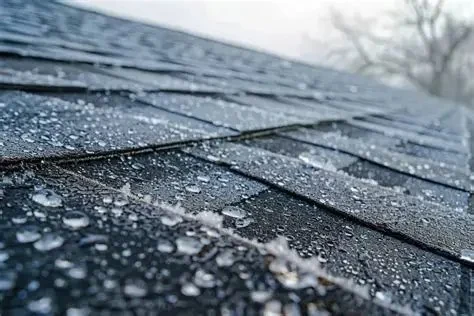
How to Identify Hail Damage on Different Types of Roofing Materials
- 1. Introduction to Hail Damage and Roofing Materials
- 2. Identifying Hail Damage on Asphalt Shingles
- 3. How to Spot Hail Damage on Metal Roofing
- 4. Recognizing Hail Damage on Wood and Slate Roofing
- 5. What to Do If You Find Hail Damage on Your Roof
Hailstorms can be a significant threat to the integrity of your roof, especially in regions prone to frequent weather events. If you live in an area where hailstorms are common, it’s essential to know how to identify hail damage to different types of roofing materials. Hailstones can vary in size and impact, and each roofing material reacts differently to these impacts. This guide will help you understand how to spot hail damage on various roofing materials and take the necessary steps to protect your home.
Victors Home Solutions / victors roofing
2722 E Michigan Ave suite 239, Lansing, MI 48912, USA
2. Identifying Hail Damage on Asphalt Shingles
Asphalt shingles are one of the most common roofing materials in the United States, but they are also highly susceptible to hail damage. Hailstones can cause dents, cracks, or even granule loss, which can significantly reduce the lifespan of your roof. Here’s how to spot damage on asphalt shingles:

Gunner Roofing / gunner roofing
CromwellLower Connecticut River Valley Planning RegionConnecticut
700 Corporate Row, Cromwell, CT 06416, USA
Signs of Hail Damage on Asphalt Shingles:
- Granule Loss: Look for bald spots or areas where the protective granules have worn away. This is one of the most common signs of hail damage, which can cause shingles to deteriorate faster.
- Cracks or Fractures: Check for cracks or fractures along the edges or surfaces of the shingles. If you notice any, it’s a sign that the roof has been impacted by large hailstones.
- Soft Spots or Dents: Gently press on the shingles to see if there are soft spots or dents that weren’t present before. These could be indicators of deeper damage to the material beneath the shingles.
If you observe these signs, it’s important to have a roofing professional assess the damage. Prolonged exposure to weather elements can worsen the damage and lead to costly repairs.
3. How to Spot Hail Damage on Metal Roofing
Metal roofs are known for their durability, but they aren’t immune to hail damage. When hailstones hit a metal roof, they can leave behind visible dents or scratches, and in some cases, the coating may be damaged, leading to rusting over time. To inspect your metal roof, follow these steps:
Signs of Hail Damage on Metal Roofing:
- Dents: Metal roofing may develop small or large dents after hail impacts, depending on the size of the hail. These dents can be especially noticeable on smooth metal surfaces.
- Scratches and Abrasions: Hailstones may cause visible scratches or abrasions on the metal’s surface. This can wear down the protective coating, leading to potential rusting.
- Loose or Dislodged Panels: In severe hailstorms, the force of the impact can cause metal panels to loosen or shift. Check for any movement or gaps between the panels.
Even minor damage to a metal roof can compromise its protective coating, so it’s essential to repair any issues as soon as possible.
4. Recognizing Hail Damage on Wood and Slate Roofing
Wood and slate roofs have a unique aesthetic appeal but are more prone to damage from hail compared to other materials. Here’s how you can spot damage on these types of roofs:
Signs of Hail Damage on Wood Roofing:
- Cracked or Split Shingles: Hail can crack or split individual wood shingles, compromising the roof’s integrity. Look for visible cracks or splits that may extend through the entire thickness of the shingle.
- Loose or Missing Shingles: Hail can loosen or dislodge shingles, which may then fall off entirely. Check for any missing shingles, as this can lead to water infiltration and further damage.
Signs of Hail Damage on Slate Roofing:
- Broken or Shattered Slates: Slate is a durable material, but large hailstones can cause it to break or shatter. Look for fractured or missing pieces of slate tiles.
- Cracks in the Slates: Even small cracks in the slate tiles can lead to water leakage over time. Inspect each tile carefully to ensure there are no cracks that could compromise the roof’s functionality.
While wood and slate roofing materials are beautiful, they can be expensive to repair. Therefore, it’s crucial to inspect them regularly after a hailstorm to catch any damage early.
5. What to Do If You Find Hail Damage on Your Roof
If you’ve identified hail damage on your roof, here are the steps you should take:
- Document the Damage: Take photos or videos of the hail damage to provide to your insurance company. This documentation will be crucial for filing a claim.
- Contact Your Insurance Company: Reach out to your insurance provider to report the damage and inquire about coverage for roof repairs or replacement.
- Hire a Professional Roofer: A licensed roofing contractor will be able to assess the damage, provide an accurate estimate, and make the necessary repairs to restore the integrity of your roof.
- Consider Roof Replacement: If the damage is extensive or if your roof is nearing the end of its lifespan, it may be worth considering a full roof replacement.
At Pro Found Roofing, we specialize in roof repairs and replacements for all types of roofing materials. If you’ve experienced hail damage, contact us for an expert evaluation and quality roofing services.

 G2 Roofing & Construction4.0 (83 reviews)
 VernCo Roofing1.0 (1 reviews)
 Applied Roofing Solutions, Inc.5.0 (5 reviews)
 Abide Roofing & Construction5.0 (25 reviews)
 Big Bang Home Improvements0.0 (0 reviews)
 Fairweather Roofing4.0 (10 reviews)
 The Best Time to Inspect Your Roof After a Major Wind or Hail Event
 How to Inspect Your Roof for Damage After a Hailstorm
 How to Fix a Leak in a Flat Roof with a Liquid Rubber Sealant
 The Process of Installing a Solar Reflective Tile Roof in a Hot Climate
 Understanding Roofing Ventilation Systems and Why They Matter
 Residential vs Commercial Roofing: What’s Best for Your Property?