- Why Adding a Ridge Vent is Important
- How to Install a Ridge Vent with an Existing Power Fan
- Tools and Materials Needed
- Common Challenges and Solutions
- How to Improve Roof Ventilation
- Find Roofing Products at Pro Found Roofing
Why Adding a Ridge Vent is Important
Proper roof ventilation is essential for maintaining the longevity and efficiency of your roof, as well as improving your home's energy efficiency. A ridge vent is one of the most effective ways to enhance roof ventilation. It allows hot air and moisture to escape from the attic, reducing heat buildup and preventing damage caused by humidity. If your home already has a power fan installed, adding a ridge vent can provide complementary airflow to enhance overall ventilation.
Incorporating a ridge vent with an existing power fan system provides optimal airflow, helping your attic stay cooler in the summer and preventing the buildup of moisture in the winter. This combination also helps reduce cooling costs and can extend the life of your roof. Understanding how to install this type of ventilation system is crucial to ensuring that both systems work together efficiently.
Lance Roofing & Siding Inc. / lance roofing and siding
6903 Dayton Springfield Rd, Enon, OH 45323, USA
1. How to Install a Ridge Vent with an Existing Power Fan
Installing a ridge vent alongside an existing power fan requires careful planning and the right approach to ensure both systems operate together effectively. Here are the steps to install a ridge vent on a roof with an existing power fan:

Gunner Roofing / gunner roofing
CromwellLower Connecticut River Valley Planning RegionConnecticut
700 Corporate Row, Cromwell, CT 06416, USA
1. Assess Your Roof's Ventilation Needs
Before starting the installation process, evaluate your roof’s current ventilation system. Ensure that the power fan is operating correctly and that your roof has the necessary intake vents, such as soffit vents. For optimal airflow, there should be a balance between intake and exhaust ventilation. The ridge vent acts as an exhaust vent, allowing hot air to escape, while the power fan can help to push the hot air out more efficiently.
2. Measure and Plan the Ridge Vent Installation
Carefully measure the length of the ridge to determine the appropriate size of the ridge vent. Typically, the vent should span the entire length of the ridge to provide maximum airflow. Mark where you will cut the roof deck to create the vent opening, and ensure you leave enough space to accommodate the ridge vent and maintain airflow efficiency.
3. Remove Roofing Materials Along the Ridge
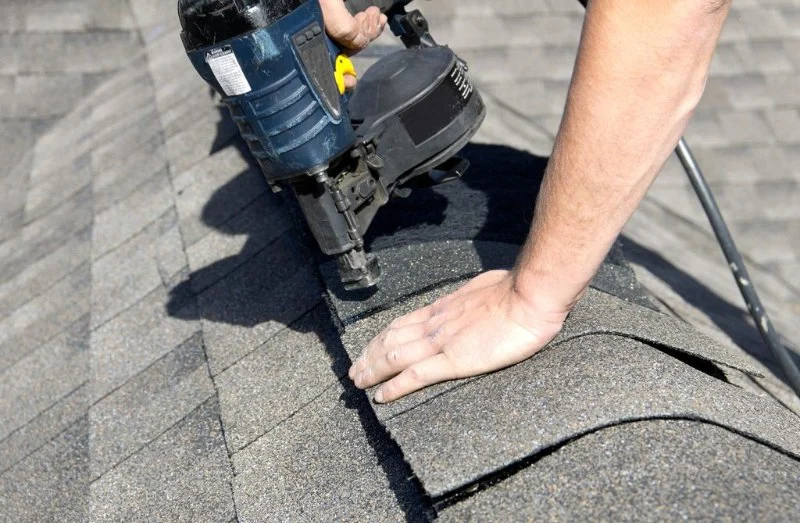
Using a utility knife or saw, remove the existing roofing materials along the ridge, including shingles or other roof coverings. You’ll need to expose the decking beneath, so take care to remove the roofing materials carefully to avoid damaging the decking. This step may require some effort, especially if the shingles are tarred down or tightly fitted.
4. Install the Ridge Vent
Once the ridge is exposed, position the ridge vent along the ridge line. Ensure it’s properly aligned with the roof structure. Secure the vent using roofing nails, starting from one end of the roof and working your way down the ridge. Follow the manufacturer’s instructions for fastening and sealing to ensure the vent is installed correctly.
5. Reinstall Roofing Materials
After securing the ridge vent, re-install the roofing materials, such as shingles or shakes, around the vent. You may need to trim shingles to fit the ridge vent properly. Make sure the shingles overlap the vent properly to ensure a weather-tight seal. The goal is to protect the ridge vent while ensuring it remains functional.
2. Tools and Materials Needed
Here’s a list of tools and materials you will need to install a ridge vent on a roof with an existing power fan:
- Ridge vent (measured to fit your roof length)
- Utility knife or roofing saw
- Roofing nails or staples
- Hammer or nail gun
- Measuring tape
- Shingles or shakes for reinstallation
- Caulk or roofing sealant
- Safety gear (gloves, ladder, safety harness)
Ensure you have all the necessary tools and materials before starting the installation. If you’re unsure of the specific type of ridge vent needed for your roof, consult with a professional roofer or check the manufacturer's recommendations for your particular roof type.
3. Common Challenges and Solutions
While installing a ridge vent alongside an existing power fan can be an effective way to improve roof ventilation, there are a few common challenges to consider:
- Limited Space: If your roof has limited space for a ridge vent due to existing structures or obstructions, consider using a smaller vent or consulting a professional roofer to determine the best solution.
- Improper Sealing: Proper sealing around the ridge vent is crucial to prevent leaks. Use high-quality roofing sealant and ensure shingles are correctly positioned to provide a weather-tight barrier.
- Ventilation Imbalance: If the power fan is too strong for the venting capacity, it could cause issues with airflow. Ensure that your intake and exhaust vents are properly balanced, or consult a professional to adjust the system accordingly.
4. How to Improve Roof Ventilation
Adding a ridge vent is one of the best ways to improve roof ventilation, but you can also consider other strategies to enhance airflow in your attic:
- Install Soffit Vents: Soffit vents allow cool air to enter the attic, which helps balance the airflow. These vents work in tandem with your ridge vent to create an effective natural ventilation system.
- Use Powered Attic Ventilators: If natural airflow isn’t enough, powered attic ventilators (such as your existing power fan) can help push hot air out more effectively, especially in hotter climates.
- Ensure Proper Insulation: Proper insulation in your attic prevents heat buildup, ensuring that your roof ventilation systems work efficiently. Make sure your attic is well-insulated to complement the added ventilation from the ridge vent.
5. Find Roofing Products at Pro Found Roofing
If you're looking for high-quality ridge vents, power fans, or other roofing products, Pro Found Roofing has everything you need to improve your roof’s ventilation system. Our extensive selection of roofing materials, ventilation systems, and accessories is designed to help you maintain a healthy and efficient roof.
Visit Pro Found Roofing today to explore our range of products, read expert reviews, and find the best solutions for your roofing needs.




 ARAC - Roof It Forward0.0 (0 reviews)
 G I Construction5.0 (15 reviews)
 David J. Marley Roofing Contractors, Inc4.0 (11 reviews)
 Lake County Roofs Inc5.0 (3 reviews)
 Skagit Roofing LLC4.0 (137 reviews)
 One Solutions Charlotte (Roofing and Siding)5.0 (53 reviews)
 How to Spot Early Signs of Roof Damage Before It’s Too Late | Pro Found Roofing
 Roofing Warranties: What’s Covered and What’s Not for Your Roof
 How to Safely Remove Moss and Algae from Your Roof
 Understanding Roofing Ventilation Systems and Why They Matter
 The Pros and Cons of a Sawtooth Roof Design for Natural Light in a Workshop
 Roofing Contractor's Liability Insurance: Why It’s Crucial for Your Protection