
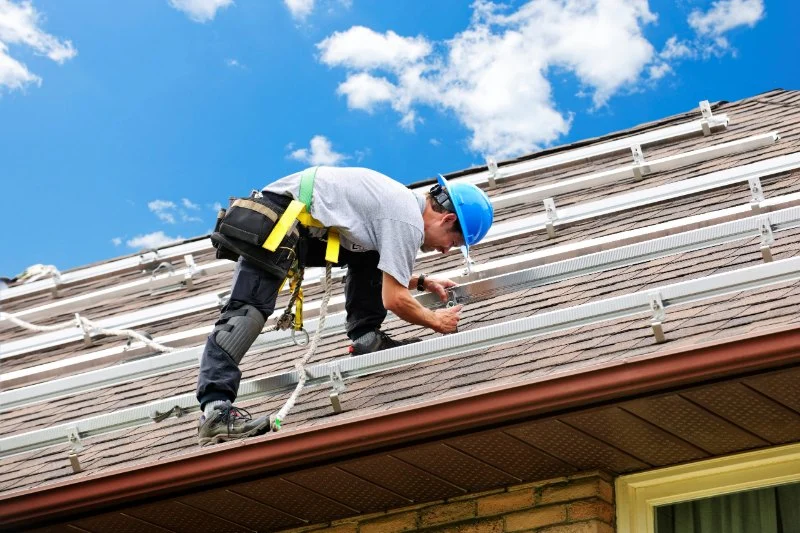
What is a Roofing Contractor's Liability Insurance? Why You Should Never Hire Without It
- 1- Introduction to Roofing Contractor's Liability Insurance
- 2- The Importance of Liability Insurance for Roofing Contractors
- 3- What Does Roofing Contractor's Liability Insurance Cover?
- 4- The Risks of Hiring a Roofing Contractor Without Insurance
- 5- How to Verify a Contractor's Insurance Coverage
1- Introduction to Roofing Contractor's Liability Insurance
Hiring a roofing contractor is a big decision, especially when it comes to the protection and safety of your property. One key factor that should never be overlooked is whether the contractor has adequate liability insurance. This insurance can protect you from various risks and liabilities that might arise during the course of the roofing project.
In this article, we will discuss what roofing contractor's liability insurance is, why it is crucial for your protection, and how to make sure you're hiring a contractor who carries the right coverage.
2- The Importance of Liability Insurance for Roofing Contractors
Roofing projects come with their own set of risks. Whether it's potential damage to your property or accidents involving workers, liability insurance ensures that you're covered in the event of unforeseen incidents. Without it, you could be left financially responsible for accidents or damage caused by the contractor or their team.
Legal Protection: If an accident occurs on your property or damage is caused to your home, having a contractor with liability insurance ensures that you're not personally held accountable for costs related to medical expenses, property damage, or legal claims.
Worker Protection: Roofing work is physically demanding and often involves working with heavy equipment and heights. If a worker is injured on your property, their medical bills and compensation could be covered by the contractor’s insurance, saving you from potential lawsuits.
3- What Does Roofing Contractor's Liability Insurance Cover?
Roofing contractor liability insurance generally covers a few key areas that help protect both the homeowner and the contractor. These are the typical coverages you should expect:
- Property Damage: If the roofing work causes any damage to your home or neighboring property, the insurance will cover the repair costs.
- Injury to Workers: If a contractor’s employee is injured while working on your roof, the insurance helps cover medical bills and lost wages.
- Accidents on the Job: If something goes wrong during the roofing process and causes an accident, liability insurance will provide financial coverage for the damages.
Having comprehensive insurance helps ensure that you won’t be held liable for incidents that are beyond your control.
4- The Risks of Hiring a Roofing Contractor Without Insurance
Hiring a roofing contractor who doesn’t carry liability insurance can lead to a number of serious risks for homeowners. Here are a few of the potential problems you may face:
- Increased Financial Risk: Without insurance, any damage caused to your property or to workers will fall on your shoulders. You could end up paying out-of-pocket for repairs, medical bills, or legal fees.
- Legal Consequences: If a worker is injured and there is no insurance, you could be held legally liable for their injuries, resulting in expensive lawsuits.
- Unreliable Work: Contractors who do not have liability insurance might be less trustworthy and could cut corners, knowing that they aren’t fully protected by insurance in case something goes wrong.
It’s always best to hire a contractor with proper insurance coverage to protect both your property and your investment.
5- How to Verify a Contractor's Insurance Coverage
Verifying that a roofing contractor has valid liability insurance is simple but essential. Here’s how you can ensure you’re hiring a properly insured contractor:
- Request Proof of Insurance: Always ask the contractor for a copy of their liability insurance policy before hiring them. This should include the coverage details and policy expiration dates.
- Contact the Insurance Provider: Contact the insurance company directly to confirm that the policy is active and covers roofing work specifically.
- Review the Coverage Limits: Ensure the contractor has sufficient coverage for the type of roofing job you're hiring them for. You want to make sure the policy limits are high enough to cover potential damages or accidents.
By verifying a contractor's insurance coverage, you’ll ensure that you’re protected and avoid the risks associated with unqualified or uninsured contractors.


 Burnett Roofing4.0 (5 reviews)
 Heritage Roofing5.0 (3 reviews)
 McDaniel's Siding & Roofing Inc.5.0 (13 reviews)
 Purple Storm Roofing5.0 (36 reviews)
 Brincks Exteriors4.0 (27 reviews)
 RCM Roofers4.0 (37 reviews)
 The Environmental Impact of Your Roofing Choices: How to Make Sustainable Decisions
 How to Prepare Your Roof for Hurricane or Tornado Season
 Red Flags When Hiring a Roofer: Warning Signs of a Scam or Bad Contractor
 How to Install Roofing Underlayment on a Roof with a Very Low Pitch
 Can a Roof Be Repaired in Winter? What You Need to Know | Pro Found Roofing
 Flat Roofs vs. Sloped Roofs: Which One Should You Choose for Your Home?