
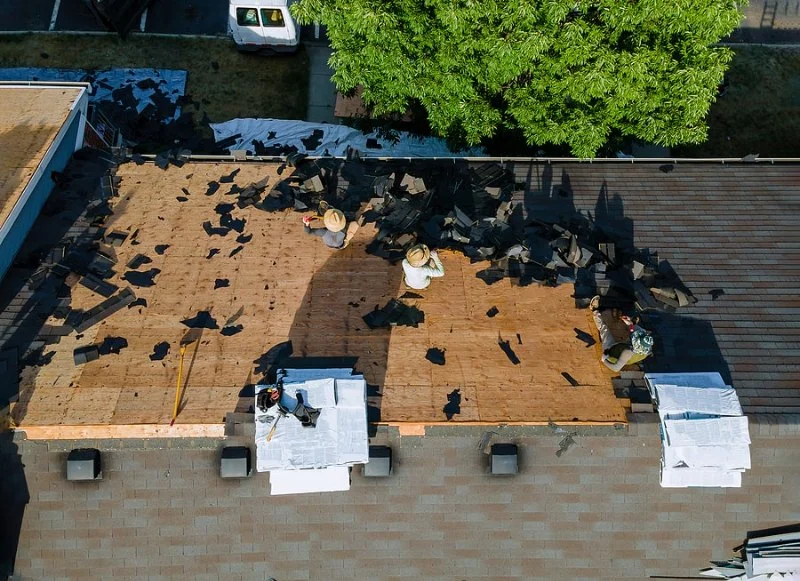
Pros and Cons of Re-Roofing vs. Full Roof Tear-Off
- 1- What is Re-Roofing?
- 2- What is a Full Roof Tear-Off?
- 3- Pros of Re-Roofing
- 4- Cons of Re-Roofing
- 5- Pros of Full Roof Tear-Off
- 6- Cons of Full Roof Tear-Off
- 7- Making the Right Decision for Your Home
1- What is Re-Roofing?
Re-roofing, also known as overlaying, is the process of installing a new layer of shingles directly on top of an existing roof. This option is typically chosen when the original roof is still in relatively good condition, and the homeowner wants to avoid the cost and hassle of a full tear-off. Re-roofing can be a faster and more cost-effective solution, but it’s important to understand its limitations and potential long-term impact.

SB Pro Roofing / sb pro roofing
Pinellas ParkPinellas CountyFlorida
6358 49th St N, Pinellas Park, FL 33781, USA
2- What is a Full Roof Tear-Off?
A full roof tear-off involves removing the old roofing materials completely down to the deck before installing a new roof. This process provides the opportunity to inspect the deck for damage, mold, or rot and address any underlying issues. It’s often considered the more thorough option, ensuring that no issues are left hidden under layers of old shingles.

Absolute Roofing / absolute roofing
TimoniumBaltimore CountyMaryland
22 W Padonia Rd # B229, Timonium, MD 21093, USA
3- Pros of Re-Roofing
Re-roofing can be an attractive option for homeowners looking to save money and time. Some of the key advantages include:
- Cost-Effective: Re-roofing is generally less expensive than a full tear-off because there’s no need to remove the old roofing materials, which reduces labor and disposal costs.
- Faster Installation: Because re-roofing only involves adding a new layer, the installation process is much quicker than a full tear-off, typically taking only a few days.
- Less Disruption: Homeowners will experience less disruption during the process, as the work is generally quicker and requires fewer steps than a complete tear-off.
4- Cons of Re-Roofing
While re-roofing offers several benefits, it also comes with certain drawbacks:
- Limited Lifespan: Adding a new layer on top of the old one may result in a roof that doesn't last as long as a fully replaced roof. Over time, the weight of the additional shingles can cause wear on the existing structure.
- Hidden Damage: Re-roofing doesn’t allow for a full inspection of the deck underneath. If there is any hidden damage or rot, it may not be discovered until problems arise later.
- Not Allowed in Some Areas: Many local building codes restrict the number of layers of shingles you can have on your roof. In some cases, re-roofing may not even be an option.
5- Pros of Full Roof Tear-Off
Choosing a full roof tear-off comes with several distinct advantages, especially for homeowners concerned about the long-term health of their roof. Here are some benefits:
- Thorough Inspection: With a full tear-off, you have the opportunity to inspect the roof deck for any damage, mold, or rot, ensuring that any issues are addressed before the new roofing is installed.
- Longer Lifespan: A full tear-off ensures that your new roof is built on a solid foundation, extending its lifespan and reducing the need for repairs down the road.
- Better Performance: A fresh, fully installed roof will offer better performance in terms of insulation, water resistance, and durability, making it a more reliable option for many homeowners.
6- Cons of Full Roof Tear-Off
While a full roof tear-off offers many advantages, it also comes with some significant drawbacks:
- Higher Cost: The tear-off process is labor-intensive and requires more time, making it a more expensive option compared to re-roofing. Disposal of old materials also adds to the cost.
- Longer Installation Time: A full tear-off takes more time, often several days or even weeks, depending on the size of the roof. This means more disruption and a longer period of dealing with construction work.
- Potential for Unforeseen Costs: During the tear-off process, you may uncover underlying issues such as structural damage or mold that will need to be addressed, leading to additional repair costs.
7- Making the Right Decision for Your Home
Choosing between re-roofing and a full roof tear-off depends on several factors, including the current condition of your roof, your budget, and how long you plan to stay in your home. If your roof is relatively new and in good condition, re-roofing might be a viable option. However, if your roof has significant damage or is nearing the end of its lifespan, a full roof tear-off may be the better choice for long-term durability and performance.
Consulting with a professional roofing contractor can help you make an informed decision based on your specific needs. If you're looking for expert advice and high-quality roofing solutions, Pro Found Roofing is here to help. Our team can provide an assessment of your roof and recommend the best course of action for your home.
 Certified Commercial Roofing4.0 (42 reviews)
 Griffin Bros. Commercial Flat Roofing0.0 (0 reviews)
 Power Roofing5.0 (27 reviews)
 BMCI Contracting Inc3.0 (51 reviews)
 Rock Solid Roofing5.0 (4 reviews)
 Watertight Roofing Systems5.0 (7 reviews)
 What is a Roofing Ice Dam? How Heat Loss from Your Home Creates This Problem
 Top Mistakes Homeowners Make During Roof Repairs
 How Roofing Affects Home Resale Value: The Impact of Roof Quality on Selling Price
 The Best Roofing Materials for a Beach Bungalow with a Relaxed Vibe
 How to Calculate the Number of Shingle Bundles Needed for Your Roof
 What to Do If Your Roof Starts Leaking During a Storm in the US