
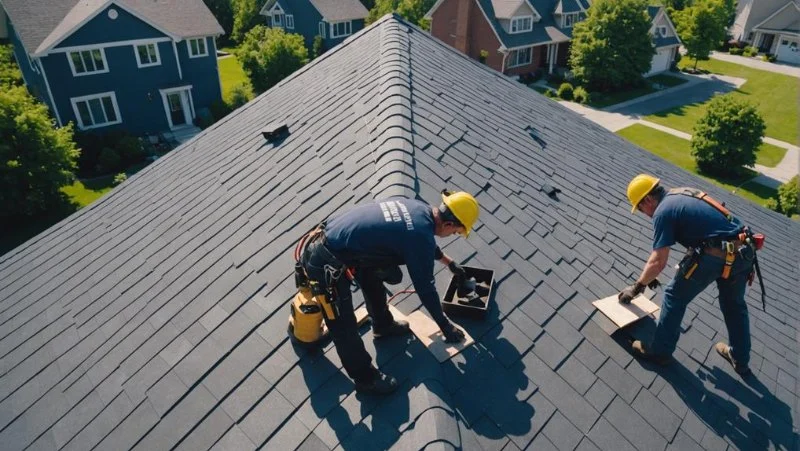
Reading a Roofing Estimate: How to Understand Line Items and Avoid Hidden Fees
- 1. The Importance of Understanding Your Roofing Estimate
- 2. Common Line Items in a Roofing Estimate
- 3. Identifying Hidden Fees in Your Roofing Estimate
- 4. How to Ensure Transparency in Roofing Pricing
- 5. Tips for Comparing Roofing Estimates
1. The Importance of Understanding Your Roofing Estimate
When you’re preparing to replace or repair your roof, understanding your roofing estimate is crucial to ensuring you’re getting a fair price. A roofing estimate outlines the costs involved in the project and breaks down the labor, materials, and any additional services or fees. Misunderstanding or overlooking line items could lead to surprise costs down the road. In this article, we’ll guide you through the process of reading a roofing estimate, highlighting the most important elements, and helping you avoid hidden fees.

Holden Roofing (Houston Corporate) / holden roofing
RosenbergFort Bend CountyTexas
2128 1st St, Rosenberg, TX 77471, USA
2. Common Line Items in a Roofing Estimate
A typical roofing estimate includes several standard line items that help you understand the scope and cost of the project. Here are some of the most common line items you may encounter:
- Labor Costs: This covers the wages of the roofing crew, and it’s usually one of the largest portions of the estimate. It’s important to understand if the cost is for hourly work or a flat fee.
- Material Costs: The cost of materials includes shingles, underlayment, nails, and any other materials required for your roofing project. Make sure you’re clear on what materials are being used, as high-end options like slate or metal roofing can significantly increase costs.
- Removal of Old Roof: If your old roof needs to be removed, this cost should be specified. The estimate should include labor for tearing off old shingles, disposal, and hauling fees.
- Permits and Inspections: Depending on local regulations, you may need to obtain a permit for the work. Ensure the estimate includes any necessary permits, inspections, or other legal requirements.
3. Identifying Hidden Fees in Your Roofing Estimate
While most roofing estimates are straightforward, there are a few hidden fees that can catch homeowners off guard. Here’s how to identify them:
- Dump Fees: Many estimates will include a fee for disposing of the old roofing materials. Make sure the estimate clearly outlines these charges, as they can sometimes be added on as a surprise cost later.
- Additional Layers: If your roofing contractor needs to add extra layers of underlayment or other materials due to roof damage, this may not always be reflected upfront. Be sure to ask about any additional costs that could arise from unforeseen issues.
- Trusses and Structural Work: If there are issues with the roof’s structure, you may need additional repairs or reinforcements, which can increase the overall cost of the project. Clarify with your contractor if any structural work is needed.
- Overtime Charges: If your project runs past the agreed-upon completion time, you may incur overtime charges. Make sure your contractor specifies their working hours and any additional fees for extended work.
4. How to Ensure Transparency in Roofing Pricing
To ensure you’re getting a fair and transparent roofing estimate, follow these steps:
- Get Multiple Estimates: Always get at least three estimates from different roofing contractors to compare prices and services. This will help you identify any outliers or inflated pricing.
- Ask for a Breakdown: Request a detailed breakdown of the estimate. This includes asking for an itemized list of materials, labor costs, and additional services. A good contractor will be happy to provide this level of detail.
- Check References and Reviews: Before committing, make sure the roofing company has good reviews and references. Look for any complaints about surprise fees or poor communication during past projects.
- Confirm Payment Terms: Ask about the payment schedule. Be wary of contractors who ask for a large upfront deposit. A reputable roofing company will typically require a smaller down payment with the rest due upon completion.
5. Tips for Comparing Roofing Estimates
When comparing roofing estimates, it’s important to look beyond just the price. Here’s what to consider:
- Quality of Materials: Ensure that the materials used are of high quality and suitable for your home’s climate. Cheaper materials might lower the upfront cost but could lead to higher repair or replacement costs down the line.
- Scope of Work: Compare what’s included in each estimate. Some contractors may offer more comprehensive services, like warranties or extended labor guarantees, which could make their estimate a better value in the long run.
- Timeline: Consider the expected timeline for each project. A longer timeline might mean better attention to detail, but you don’t want your home’s roof exposed for an extended period of time either.
Understanding your roofing estimate is essential to avoid unexpected costs and ensure that your roofing project goes smoothly. If you’re ready to get started, visit Pro Found Roofing for expert roofing services, accurate estimates, and a reliable team.

 VA Commercial Roofers4.0 (28 reviews)
 Nations Roof - Corporate Headquarters0.0 (0 reviews)
 ProRoofing - Atlanta5.0 (102 reviews)
 Central Roofing of Champaign4.0 (56 reviews)
 Infinity Roofing5.0 (29 reviews)
 Mr. Roof Grand Rapids4.0 (401 reviews)
 How to Safely Install a New Roof Over an Old One: Legal and Practical Facts
 Energy-Efficient 'Cool Roofs': How They Can Significantly Lower Your Cooling Bills
 How to Install a Roof Vent for a Bathroom that Has No Existing Ventilation
 How Hail Damage Affects Your Roof's Lifespan and Performance Over Time
 The Process of Installing a TPO Roof with Welded Seams for a Perfect Seal
 The Best Attic Insulation Types to Work with Your Roofing System for Efficiency