
- recognizing-storm-roof-damage - Recognizing the Signs of Storm Damage on Your Roof
- immediate-response-steps - Immediate Steps to Take After a Storm Hits
- insurance-claims-roof-damage - Navigating Insurance Claims for Roof Storm Damage
- choosing-roof-repair-experts - Choosing the Right Roofing Contractor for Emergency Repairs
- case-study-texas-storm-damage - Real Case: Texas Tornado and Rapid Roof Restoration
- preventing-future-storm-damage - How to Strengthen Your Roof Against Future Storms
1. Recognizing the Signs of Storm Damage on Your Roof
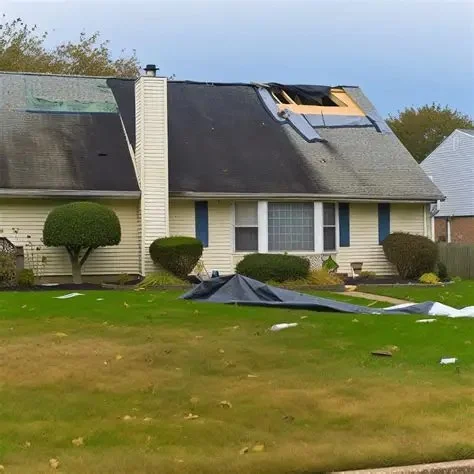
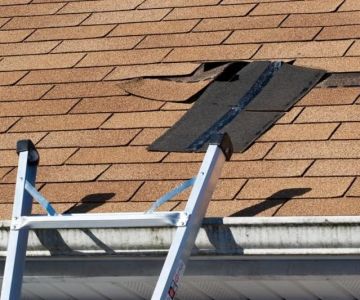
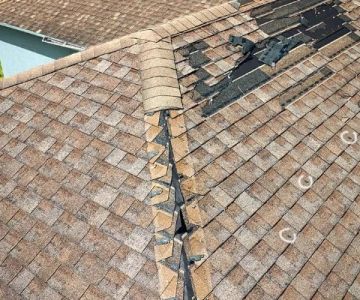
Storm damage isn't always obvious from the ground. After a hurricane, tornado, or severe windstorm, it's crucial to assess your roof—even if no leaks are immediately visible. Look for missing shingles, visible cracks, dented flashing, or granule buildup in gutters. These subtle indicators often foreshadow deeper structural damage.
Hail strikes, for example, may not puncture your roof but can bruise shingles, making them prone to failure during the next weather event. Homeowners in storm-prone areas like Florida or Oklahoma should be particularly vigilant after every severe weather alert.

Holden Roofing (Houston Corporate) / holden roofing
RosenbergFort Bend CountyTexas
2128 1st St, Rosenberg, TX 77471, USA
2. Immediate Steps to Take After a Storm Hits
2.1 Prioritize Safety First
Before climbing ladders or inspecting damage firsthand, ensure the storm has fully passed and power lines are secure. Use binoculars from the ground to check for debris or obvious roof displacement. If water intrusion has already occurred, avoid areas with standing water and unplug affected electronics.

Rapid Response Roofing / rapid response roofing
East GreenvilleMontgomery CountyPennsylvania
408 State St, East Greenville, PA 18041, USA
2.2 Document Everything
Photograph all visible damage—inside and out. This visual documentation will be vital when filing an insurance claim and can also help contractors prepare accurate estimates. Don't wait days to act; mold and structural rot can begin within 48 hours of a leak.
2.3 Temporary Protection Measures
If there are active leaks, use tarps or plastic sheeting to temporarily cover exposed areas. Many professional roofers offer emergency tarp services. In the meantime, remove valuables from affected areas and run dehumidifiers or fans to reduce interior moisture.
3. Navigating Insurance Claims for Roof Storm Damage
3.1 Understand Your Coverage
Most standard homeowner insurance policies cover sudden and accidental storm damage, but exclusions apply. For instance, gradual wear and tear or lack of maintenance are not covered. Be sure to read the fine print or contact your insurance agent for clarity.
3.2 Schedule a Professional Inspection
An inspection report from a licensed contractor—like one from Pro Found Roofing—can significantly strengthen your claim. Roofers experienced with storm recovery know how to document both visible and hidden damage in a way insurers understand and accept.
3.3 Cooperate with the Adjuster
Be present when your insurance adjuster arrives. Having a contractor on-site to walk through the damage with the adjuster can ensure nothing is missed or undervalued.
4. Choosing the Right Roofing Contractor for Emergency Repairs
4.1 Beware of Storm Chasers
After major storms, unlicensed contractors often flood affected neighborhoods with door-to-door offers. While some may be legitimate, many provide low-quality work, disappear after payment, or leave warranties unfulfilled. Always verify licensing, insurance, and customer reviews.
4.2 Local Experience Matters
Choose a roofer who understands regional building codes and climate challenges. A reliable local company like Pro Found Roofing will provide long-term support and service—not just a quick fix.
4.3 Ask About Warranties and Timelines
Storm repairs can range from shingle replacement to full structural rebuilds. Make sure you understand the warranty on both materials and labor, and get a clear timeline before work begins.
5. Real Case: Texas Tornado and Rapid Roof Restoration
In March 2024, a severe EF2 tornado struck parts of North Texas. One homeowner in Denton County lost nearly half their shingles and experienced two major leaks. Within hours, they contacted Pro Found Roofing, who deployed an emergency tarp team that same day.
Within 72 hours, the entire roof was re-decked, new synthetic underlayment installed, and architectural shingles applied. Their insurance covered 90% of the $17,000 cost, thanks to thorough documentation and quick action. The homeowner later reported that the new roof withstood the next storm season without a single leak.
6. How to Strengthen Your Roof Against Future Storms
6.1 Upgrade to Impact-Resistant Shingles
Class 4 impact-rated shingles are designed to withstand hail and wind-driven debris. Though they cost more upfront, they reduce long-term repair costs and can even lower your homeowner’s insurance premiums.
6.2 Improve Roof Ventilation and Fasteners
Many older homes lack proper ventilation or use outdated fastening techniques. Modern code-compliant nails and hurricane straps can reduce the risk of wind uplift. Better airflow also prevents heat damage that weakens shingles over time.
6.3 Schedule Annual Inspections
Preventative inspections—especially after the winter and before hurricane season—can catch vulnerabilities before they become emergencies. A proactive approach can mean the difference between a simple repair and a full roof replacement.
When it comes to storm damage roof repairs, time is your most valuable resource. From initial damage to full restoration, working with trusted experts like Pro Found Roofing ensures your home is protected, your claims are processed correctly, and your family stays safe—no matter what the weather brings.
 Chuck's Mobile Home Services3.0 (2 reviews)
 Grand Rapids Metal Roofing5.0 (1 reviews)
 ProStar Exteriors LLC5.0 (25 reviews)
 Bound by Honor Roofing llc0.0 (0 reviews)
 Sharp Exteriors4.0 (54 reviews)
 Endura-Roof4.0 (30 reviews)
 What is a Roofing Square? How to Account for Waste on a Complex Roof
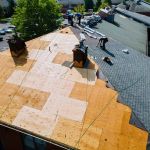 Signs Your Roof Was Installed Incorrectly and How to Address the Problem
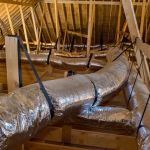 How Attic Ventilation Affects Roof Health and Longevity
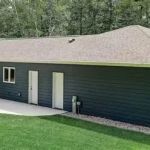 The Impact of Climate Change on Roofing: Choosing Durable Materials for Extreme Weather
 Best Green Roofing Solutions for Sustainable Homes
 What is a Roofing Boot? How to Replace a Cracked or Deteriorated Vent Pipe Boot