
- 1. Introduction to Living Roofs
- 2. Benefits of Living Roofs for Urban Biodiversity
- 3. Stormwater Management and Living Roofs
- 4. Economic and Environmental Impacts of Living Roofs
- 5. Real-World Examples of Successful Living Roofs
- 6. How to Install a Living Roof: Key Considerations
1. Introduction to Living Roofs
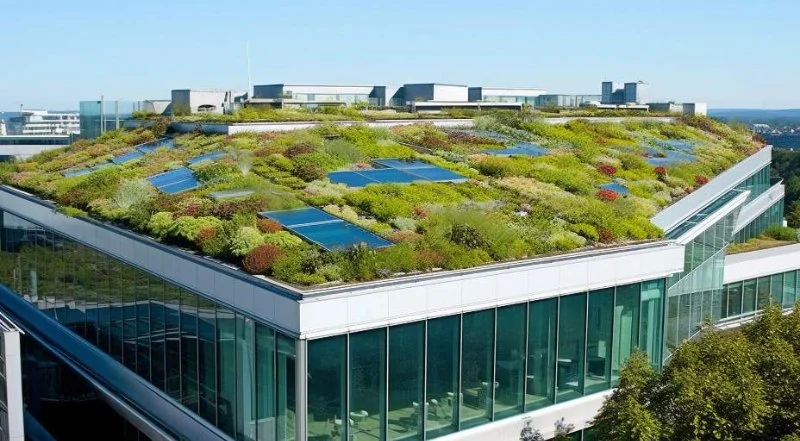
A living roof, also known as a green roof, is a sustainable and innovative design where plants are grown on rooftops. This ecological solution is rapidly gaining popularity in urban areas as cities look for ways to address environmental challenges like climate change, pollution, and biodiversity loss. Living roofs contribute to the urban ecosystem by providing green spaces that support wildlife and offer numerous environmental benefits.
In this article, we’ll explore how living roofs benefit urban biodiversity and stormwater management while also considering their broader economic and environmental impacts.

Rapid Response Roofing / rapid response roofing
East GreenvilleMontgomery CountyPennsylvania
408 State St, East Greenville, PA 18041, USA
2. Benefits of Living Roofs for Urban Biodiversity
Urban environments often lack the natural ecosystems that support a wide range of plant and animal life. Living roofs play a crucial role in providing much-needed green spaces for urban wildlife, promoting biodiversity in cities.

JK Contractors / jk roofing
West BendOzaukee CountyWisconsin
3058 County Rd Y, West Bend, WI 53095, USA
2.1 Providing Habitat for Pollinators
One of the most important benefits of living roofs is that they offer a habitat for pollinators, such as bees, butterflies, and birds. These species play a vital role in maintaining plant diversity and food production. Living roofs, with their diverse plant life, provide essential resources like nectar and pollen, helping support pollinator populations that are often under threat in urban environments.
2.2 Supporting Urban Flora and Fauna
Living roofs can support a variety of plant species, from low-growing sedums to native wildflowers, contributing to the overall plant diversity of a city. By mimicking natural ecosystems, these roofs can create microhabitats that attract a variety of insects, birds, and small mammals. This enhances the biodiversity of urban areas and helps reconnect fragmented ecosystems.
2.3 Mitigating the Heat Island Effect
Urban areas tend to be significantly warmer than surrounding rural areas, a phenomenon known as the “urban heat island” effect. Living roofs help mitigate this by providing natural cooling through evapotranspiration, reducing the need for air conditioning and helping to cool down the surrounding environment. Cooler cities are more hospitable for a variety of species and provide a more comfortable living space for urban dwellers.
3. Stormwater Management and Living Roofs
Effective stormwater management is a significant challenge in urban areas, where impermeable surfaces like asphalt and concrete prevent water from being absorbed naturally. This leads to issues like flooding, erosion, and water pollution. Living roofs provide a sustainable solution to this problem by capturing rainwater and reducing runoff.
3.1 Absorbing and Retaining Rainwater
Living roofs are designed with layers of soil and vegetation that absorb rainwater, preventing it from flowing directly into storm drains. This reduces the amount of runoff during heavy rainfall, helping to prevent flooding and minimize strain on city drainage systems. The plants on the roof also retain water, allowing it to evaporate slowly over time, further reducing runoff.
3.2 Filtering Pollutants
As rainwater passes through the plants and soil of a living roof, pollutants like heavy metals and chemicals are filtered out. This natural filtration process improves water quality before it enters stormwater systems or local waterways, reducing pollution in urban streams, rivers, and lakes.
3.3 Reducing the Need for Traditional Stormwater Infrastructure
By mitigating runoff and improving water quality, living roofs can help reduce the need for costly stormwater infrastructure projects, such as large retention basins and drainage systems. This makes them an economically viable solution for cities looking to address stormwater challenges sustainably.
4. Economic and Environmental Impacts of Living Roofs
The installation of living roofs offers both environmental and economic advantages for urban areas. Here’s a closer look at how they impact cities:
4.1 Reducing Energy Costs
Living roofs help to reduce energy consumption by providing natural insulation for buildings. In the summer, they reduce the need for air conditioning by cooling the building, while in winter, they help retain heat, reducing heating costs. This can result in lower utility bills for building owners and occupants.
4.2 Enhancing Property Value
Properties with living roofs are increasingly viewed as valuable assets in the real estate market. The aesthetic appeal, environmental benefits, and energy savings of a green roof can increase a building’s value, making it more attractive to potential buyers or tenants.
4.3 Supporting Sustainable Urban Development
Living roofs are a key component of sustainable urban development. By reducing the urban heat island effect, improving air quality, supporting biodiversity, and managing stormwater, they contribute to the overall sustainability of cities, making them more resilient to climate change and environmental stresses.
5. Real-World Examples of Successful Living Roofs
Many cities around the world have embraced living roofs as part of their green infrastructure. Here are a few examples of successful installations:
5.1 The California Academy of Sciences, San Francisco
The California Academy of Sciences boasts a remarkable living roof that covers its entire building. This green roof is home to over 1.7 million native plants and has significantly improved the building’s energy efficiency and stormwater management. It’s one of the largest living roofs in the world and has set a global standard for sustainable architecture.
5.2 The Vancouver Convention Centre, Canada
Vancouver’s Convention Centre features a 2.4-acre living roof that is home to native plants and provides habitat for birds, insects, and other wildlife. It’s a part of the city’s broader initiative to promote green building practices and enhance biodiversity in urban spaces.
6. How to Install a Living Roof: Key Considerations
If you’re considering installing a living roof, here are a few key considerations to keep in mind:
6.1 Structural Support
Living roofs are heavy, so it’s essential to ensure that the building structure can support the added weight. Consulting with an architect or structural engineer is necessary to determine the load-bearing capacity of the building.
6.2 Climate and Plant Selection
The success of a living roof depends on selecting the right plants for your local climate. Drought-tolerant plants like sedums are commonly used for green roofs, but you should choose species that will thrive in your area’s specific weather conditions.
6.3 Maintenance
While living roofs are relatively low maintenance, they still require regular care, including watering, weeding, and monitoring for plant health. It’s important to plan for ongoing maintenance to ensure the longevity and effectiveness of your green roof.

 VA Commercial Roofers4.0 (28 reviews)
 Nations Roof - Corporate Headquarters0.0 (0 reviews)
 ProRoofing - Atlanta5.0 (102 reviews)
 Central Roofing of Champaign4.0 (56 reviews)
 Infinity Roofing5.0 (29 reviews)
 Mr. Roof Grand Rapids4.0 (401 reviews)
 How to Safely Install a New Roof Over an Old One: Legal and Practical Facts
 Energy-Efficient 'Cool Roofs': How They Can Significantly Lower Your Cooling Bills
 How to Install a Roof Vent for a Bathroom that Has No Existing Ventilation
 How Hail Damage Affects Your Roof's Lifespan and Performance Over Time
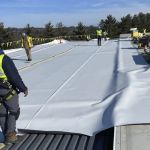 The Process of Installing a TPO Roof with Welded Seams for a Perfect Seal
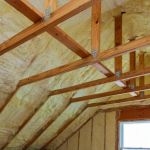 The Best Attic Insulation Types to Work with Your Roofing System for Efficiency