
The Process of Installing a Mastic Asphalt Roof for a Traditional Flat Roof
- 1. Introduction to Mastic Asphalt Roofing
- 2. Key Steps in Installing Mastic Asphalt Roofing
- 3. Benefits of Mastic Asphalt for Flat Roofs
- 4. Maintenance and Longevity of Mastic Asphalt Roofs
1. Introduction to Mastic Asphalt Roofing
Mastic asphalt roofing is a durable and reliable choice for flat roofs, offering excellent water resistance and longevity. This roofing method has been used for centuries and is known for its ability to create a seamless, weather-resistant surface. Ideal for both commercial and residential properties, mastic asphalt provides a strong, reliable barrier against the elements.
Installing a mastic asphalt roof requires careful planning, the right materials, and professional skills. This guide will walk you through the steps involved in installing a mastic asphalt roof for a traditional flat roof, as well as the benefits and maintenance tips to ensure long-lasting performance.
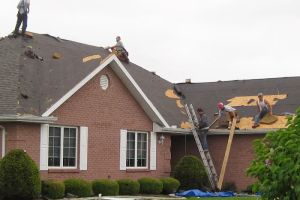
Lance Roofing & Siding Inc. / lance roofing and siding
6903 Dayton Springfield Rd, Enon, OH 45323, USA
2. Key Steps in Installing Mastic Asphalt Roofing
The installation of a mastic asphalt roof involves several steps that need to be followed carefully to ensure the roof's durability and efficiency. Here’s a step-by-step guide to the process:

Gunner Roofing / gunner roofing
CromwellLower Connecticut River Valley Planning RegionConnecticut
700 Corporate Row, Cromwell, CT 06416, USA
2.1. Preparing the Roof Surface
Before you begin applying mastic asphalt, the roof surface must be thoroughly cleaned and prepared. This includes removing any old roofing materials, debris, dirt, and loose particles. The surface must be smooth and free of imperfections to ensure proper adhesion of the mastic asphalt.
If the surface is damaged, it should be repaired before the application of the asphalt. This may include replacing damaged sections of the roof, repairing cracks, or patching up any holes.
2.2. Installing the Base Layer
The next step involves applying a base layer of insulation or a vapor barrier. This layer is essential for preventing moisture buildup under the roof and helps to increase the overall energy efficiency of the building. It also provides a stable base for the mastic asphalt to adhere to.
2.3. Applying Mastic Asphalt
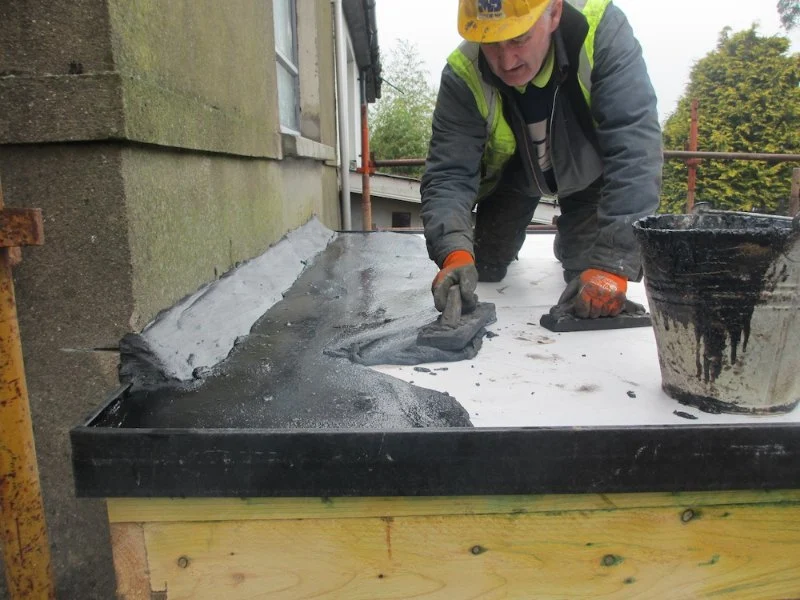
Mastic asphalt is then heated to the proper temperature and applied to the roof surface. The application is usually done in several layers to ensure complete coverage and to create a strong, uniform seal. It’s important to work quickly as mastic asphalt cools rapidly once heated.
Professional installers often use a machine to apply the mastic asphalt evenly, ensuring a smooth and consistent layer. Once the mastic asphalt is applied, it is smoothed out using special tools to eliminate air bubbles and ensure the surface is even.
2.4. Finishing the Roof
After the mastic asphalt is applied, the final step is to ensure the roof is completely covered and sealed. The surface may be covered with a layer of gravel or a protective coating to enhance its durability and provide additional protection against the elements.
The roof is then allowed to cool and set, which may take several hours, depending on the weather conditions. Once cooled, the mastic asphalt roof is ready for use.
3. Benefits of Mastic Asphalt for Flat Roofs
Mastic asphalt roofing offers numerous benefits, making it a popular choice for flat roofs. Some of the key advantages include:
3.1. Durability and Longevity
Mastic asphalt is highly durable and can last for decades when properly installed and maintained. Its seamless nature helps to prevent leaks and water infiltration, ensuring that the roof remains intact for a long period.
3.2. Excellent Waterproofing
The primary benefit of mastic asphalt roofing is its excellent waterproofing capabilities. The material forms a continuous, impervious layer that resists water penetration, making it an ideal choice for flat roofs that are more prone to water pooling and leaks.
3.3. Energy Efficiency
Mastic asphalt roofs also contribute to energy efficiency. The insulation layer beneath the asphalt helps to regulate temperature within the building, reducing the need for excessive heating or cooling. This can result in lower energy bills and a more comfortable indoor environment.
3.4. Low Maintenance
Mastic asphalt roofs require minimal maintenance once installed. Regular inspections to check for any signs of wear and tear or damage are recommended, but the roofing material itself is highly resistant to the elements and can withstand extreme temperatures, UV radiation, and heavy rain.
4. Maintenance and Longevity of Mastic Asphalt Roofs
Although mastic asphalt roofs are low maintenance, they still require periodic care to ensure their longevity. Here are some tips for maintaining your mastic asphalt roof:
4.1. Regular Inspections
It’s important to conduct regular inspections of your mastic asphalt roof to catch any potential issues early. Look for signs of damage, such as cracks, holes, or areas where the asphalt has worn away. These issues should be repaired promptly to prevent water damage or further deterioration.
4.2. Keep the Roof Clean
Keeping the roof free of debris, leaves, and dirt can help prolong its life. Clogged gutters and drains can cause water to pool on the roof, which can lead to leaks and structural damage. Make sure to clear any debris from the roof surface and gutters regularly.
4.3. Prompt Repairs
If you notice any damage to the mastic asphalt roof, it’s essential to address it as soon as possible. Small cracks or holes can often be repaired by applying additional mastic asphalt or patches to the affected area.
Mastic asphalt roofs are a durable and long-lasting solution for flat roof applications. By following the proper installation process and maintaining the roof regularly, you can ensure that your roof remains reliable and functional for many years to come.
For the best products and services related to roofing, visit Pro Found Roofing for expert advice and solutions.

 Octorara Roofing & Exteriors4.0 (63 reviews)
 MEB Systems Inc.4.0 (8 reviews)
 Morris County Roofing and Siding, LLC5.0 (46 reviews)
 Axis Contracting4.0 (93 reviews)
 Top Roofing Contractor0.0 (0 reviews)
 AE&I Roofing and Construction4.0 (56 reviews)
 How Often Should You Replace Your Roof? Lifespan by Material
 The Impact of Moss on Wood Shake Shingles and How to Remove It
 What to Do When Your Roof Fails a Home Inspection | Repair or Replace Advice
 The True Cost of a Roof Coating When Applied by a Professional vs. DIY
 Understanding Roofing Ventilation Systems and Why They Matter for U.S. Homes
 The Environmental Impact of Your Roofing Choices