- Introduction
- Understanding Roofing Warranties
- Types of Roofing Warranties
- What’s Actually Covered by a Roofing Warranty?
- Limitations and Exclusions
- Choosing the Right Roofing Company for Warranty
- Conclusion
Introduction
When investing in a new roof, understanding the details of roofing warranties is crucial. Many homeowners believe that once they have a warranty, they are fully covered for any issues that might arise. However, not all roofing warranties are created equal. In this article, we’ll uncover the truth about roofing warranties, focusing on what’s actually covered, the different types of warranties, and the limitations you should be aware of. We will also share insights into how to choose the best roofing company to ensure your warranty is valid and protects your investment.

Gunner Roofing / gunner roofing
CromwellLower Connecticut River Valley Planning RegionConnecticut
700 Corporate Row, Cromwell, CT 06416, USA
Understanding Roofing Warranties
A roofing warranty is a legal agreement between you and the roofing company or manufacturer, stating that they will repair or replace certain parts of your roof if specific problems arise within a set period. It's essential to recognize that not all roofing warranties are the same, and they come in various forms, each offering different types of protection. Understanding the specifics of your warranty can save you money and frustration down the road, ensuring that you can hold the appropriate parties accountable if issues with your roof arise.

Holden Roofing (Houston Corporate) / holden roofing
RosenbergFort Bend CountyTexas
2128 1st St, Rosenberg, TX 77471, USA
Types of Roofing Warranties
There are primarily three types of roofing warranties that homeowners encounter:
1. Manufacturer’s Warranty
Manufacturer’s warranties typically cover defects in the roofing materials themselves, such as issues with the shingles, tiles, or underlayment. These warranties usually have a fixed time frame (e.g., 20 or 30 years) and may offer coverage for repair or replacement in the event of a material failure. Keep in mind that these warranties are often voided if the installation is not done according to the manufacturer’s guidelines.
2. Contractor’s Warranty
Contractor warranties cover the workmanship associated with installing the roof. This type of warranty usually lasts from 1 to 10 years, depending on the roofing company’s policies. It covers problems such as leaks or issues that arise from poor installation, but it does not cover defects in materials.
3. Extended Warranty
Some roofing companies offer extended warranties, which provide additional coverage on top of the manufacturer’s and contractor’s warranties. These can cover both the materials and the installation, extending the protection period for several years beyond the standard warranties. Extended warranties are generally more expensive, but they can provide valuable peace of mind for homeowners looking for long-term protection.
What’s Actually Covered by a Roofing Warranty?
While roofing warranties can offer excellent protection, it's important to understand exactly what is covered. Below are some key elements typically covered by a roofing warranty:
Material Defects
Manufacturer warranties typically cover defects in the roofing material itself. This could include issues such as shingles that curl, crack, or break prematurely. If you notice these defects within the warranty period, the manufacturer may replace the damaged shingles or tiles.
Workmanship and Installation Issues
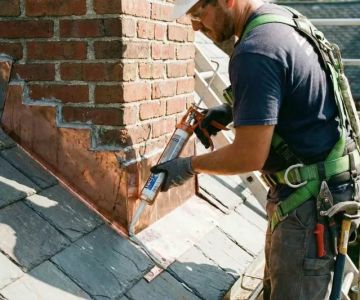
If your contractor’s warranty covers workmanship, it should protect you from issues like improperly installed shingles, leaks caused by poor installation, or flashing that was not sealed correctly. This ensures that the roof was installed properly according to the manufacturer’s guidelines.
Leaks
Leaks are one of the most common reasons homeowners file claims. If a leak occurs due to material defects or poor installation, the warranty may cover repairs or replacements. It's important to identify the source of the leak—whether it's a material issue or a workmanship issue—because that will determine which warranty applies.
Limitations and Exclusions
While roofing warranties can offer significant protection, they are not all-encompassing. It’s crucial to understand the limitations and exclusions that may apply:
Natural Disasters
Most roofing warranties do not cover damage caused by natural disasters such as hurricanes, tornadoes, or hailstorms. Damage caused by extreme weather conditions is typically excluded, so it's important to have appropriate homeowner’s insurance to cover such events.
Improper Maintenance
Failure to maintain the roof properly can void a warranty. For example, neglecting to clear gutters, ignoring minor leaks, or failing to conduct regular inspections may result in the warranty being voided. Always ensure that you follow the manufacturer’s maintenance recommendations to keep your warranty intact.
Unauthorized Repairs
Any repairs made by someone other than a certified contractor or roofing professional can also void your warranty. It's essential to ensure that any necessary repairs are done by professionals who are familiar with your roofing materials and warranty conditions.
Choosing the Right Roofing Company for Warranty
Choosing a reputable roofing company is critical when it comes to ensuring your warranty is valid. Here are some tips to help you make the right choice:
Check Reviews and Reputation
Before hiring a roofing contractor, read reviews and ask for references. A company with a good reputation is more likely to deliver quality work that will keep your warranty intact.
Confirm License and Insurance
Make sure the roofing company is licensed and insured. This protects you from liability in case something goes wrong during installation or repairs and ensures the company is held to industry standards.
Review Warranty Terms
Make sure the roofing company provides clear and comprehensive information about the warranties they offer, including what’s covered, the duration, and any exclusions. A reputable contractor should be transparent and answer any questions you have about the warranty terms.
Conclusion
Understanding the truth about roofing warranties is essential for protecting your home and investment. While warranties can provide great peace of mind, they come with limitations and exclusions that must be carefully reviewed. By choosing the right roofing company and understanding your warranty coverage, you can ensure that your roof remains in top condition for years to come. For more advice and help with your roofing needs, visit Pro Found Roofing to connect with trusted professionals in your area.
 5 River Roofing4.0 (18 reviews)
 Roof Secured5.0 (47 reviews)
 Galloway Roofing4.0 (235 reviews)
 Salt Roofing4.0 (99 reviews)
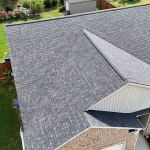 Whitaker Roofing Company4.0 (66 reviews)
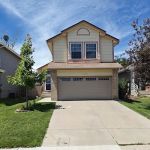 Roper Roofing & Solar4.0 (246 reviews)
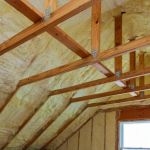 The Best Attic Insulation Types to Work with Your Roofing System for Efficiency
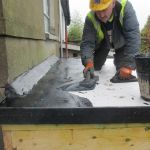 The Process of Installing Mastic Asphalt Roof for Traditional Flat Roofs
 How to Identify and Repair Damaged Roof Decking from Long-Term Leaks
 Top Mistakes Homeowners Make During Roof Repairs | Expert Roofing Tips
 The Impact of Air Pollution on Your Roof's Color and Material Degradation
 How Long Should You Wait to Replace Your Roof After a Major Storm?