- 1. What is a Roofing Nail Gun?
- 2. Why Proper Nailing Technique Matters for Your Roof
- 3. Common Roofing Nailing Mistakes to Avoid
- 4. How to Choose the Right Roofing Nail Gun
- 5. Real-Life Examples of Roofing Nailing Techniques
1. What is a Roofing Nail Gun?
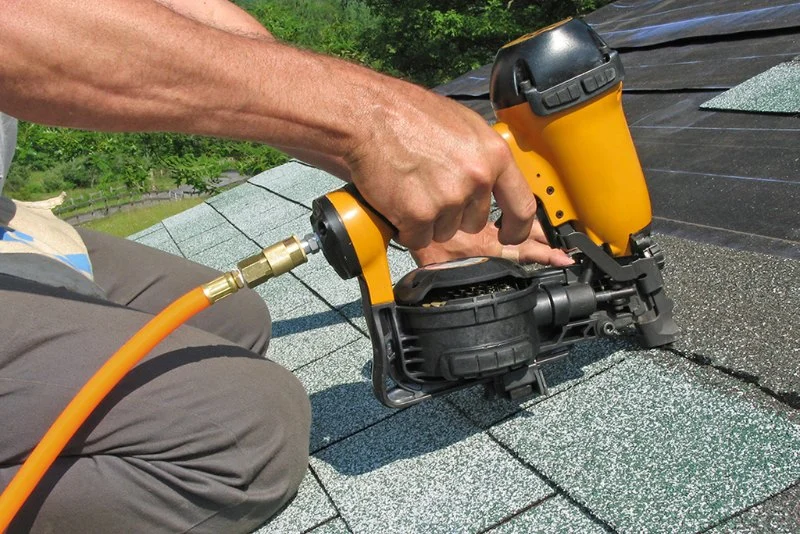
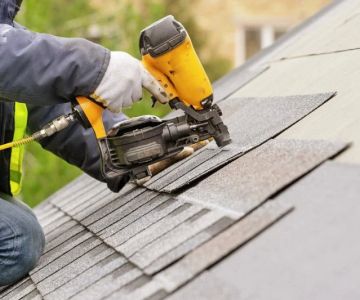
A roofing nail gun, also known as a pneumatic nail gun or a roofing nailer, is a powerful tool used by roofing professionals to quickly and efficiently fasten roofing materials such as shingles, felt, and underlayment to a roof deck. This tool is designed to work with specific roofing nails and is built to withstand the repetitive, high-speed nailing required for roofing projects. By using compressed air or an electric motor, a roofing nail gun makes the installation process faster and more consistent than manually hammering nails, helping to reduce fatigue and increase productivity.

Holden Roofing (Houston Corporate) / holden roofing
RosenbergFort Bend CountyTexas
2128 1st St, Rosenberg, TX 77471, USA
2. Why Proper Nailing Technique Matters for Your Roof
The proper technique when using a roofing nail gun is essential for the longevity and durability of your roof. Incorrect nailing can lead to a number of issues, including loose shingles, water leaks, and premature roof failure. Here are a few reasons why getting the nailing technique right is critical:
- Secure Shingle Attachment: Proper nailing ensures that the shingles are tightly secured to the roof deck, preventing them from lifting or blowing off in high winds.
- Prevents Overdriving or Underdriving Nails: Overdriving nails can cause damage to the shingles, while underdriving nails may result in shingles not being adequately secured.
- Improved Water Resistance: Correct nailing helps maintain a waterproof seal, which is crucial in preventing leaks during rainy weather.
3. Common Roofing Nailing Mistakes to Avoid
Even with a roofing nail gun, mistakes can be made. Here are some common nailing errors to watch out for during your roofing project:
- Using Too Few Nails: Using fewer nails than recommended can weaken the shingles’ attachment, increasing the risk of wind damage.
- Incorrect Nail Placement: Nails should be placed in the correct locations on the shingle to ensure maximum stability. Placing nails too high or low can leave the shingles vulnerable.
- Overdriving the Nails: When nails are overdriven, they can damage the shingles, causing them to crack or warp. This can also create potential for water to seep into the roof.
- Underdriving the Nails: If nails are not driven deep enough, the shingles may not be securely fastened, which can lead to lifting or displacement during storms.
4. How to Choose the Right Roofing Nail Gun
Selecting the right roofing nail gun is essential for achieving the best results. Consider the following factors when choosing a roofing nailer:
- Type of Power Source: Roofing nail guns are typically powered by compressed air, electricity, or gas. Pneumatic (air-powered) nailers are the most common and provide a consistent power source, while electric and gas-powered nailers offer more portability.
- Nail Size Compatibility: Ensure the nail gun is compatible with the size and type of nails needed for your roofing project. Most roofing nails are 1¼ to 2½ inches long.
- Ease of Use: Look for a nail gun that is lightweight and easy to handle, especially if you plan on using it for extended periods. A comfortable grip and adjustable depth settings can also help improve accuracy.
- Durability: Choose a nail gun made from high-quality materials that can withstand the wear and tear of roofing jobs. Steel components and an aluminum body are typically more durable and long-lasting.
5. Real-Life Examples of Roofing Nailing Techniques
Understanding how proper nailing technique is applied in real-world situations can be incredibly helpful. Here are a couple of examples:
- Case 1: During a residential roofing project, a roofing contractor used a pneumatic nail gun to install asphalt shingles. By following proper nailing techniques, they secured each shingle with the recommended number of nails and placed them in the correct spot. This ensured the shingles were firmly attached and could withstand wind gusts of up to 60 mph.
- Case 2: In another case, a contractor mistakenly underdriven several nails in a high-end residential project. As a result, several shingles became loose during the first heavy rainstorm. The homeowner had to call the contractor back to repair the issues caused by improper nailing.
As shown in these examples, using a roofing nail gun with the proper technique can prevent costly repairs and ensure the long-term durability of your roof. Whether you are installing a new roof or repairing an existing one, investing in the right tools and mastering proper nailing techniques is crucial to achieving the best results.
For expert roofing advice and high-quality tools, visit Pro Found Roofing to find the best roofing products and services.


 A&C Quality Construction LLC0.0 (0 reviews)
 Premiere Roofing & Remodeling LLC4.0 (23 reviews)
 Mecklenburg Roofing Inc4.0 (14 reviews)
 Advocate Construction0.0 (0 reviews)
 Power Roofing Williamsburg4.0 (46 reviews)
 Salire Roofing5.0 (34 reviews)
 How Attic Ventilation Impacts the Health of Your Roof
 How to Safely Remove Moss and Algae from Your Roof
 The Cost of Roof Repair: Average Prices for Common Fixes like Leaks and Shingles
 Flat Roofs vs. Sloped Roofs: Which One Should You Choose?
 What is a Roofing Square? How to Account for Waste on a Complex Roof
 Understanding Roof Flashing: What It Is and Why It Matters