- 1. What is a Roofing Warranty?
- 2. Types of Roofing Warranties
- 3. Understanding Prorated Warranties
- 4. Non-Prorated Warranties Explained
- 5. How to Choose the Right Roofing Warranty for Your Home
1. What is a Roofing Warranty?
A roofing warranty is a guarantee provided by the manufacturer or contractor that protects your roof against certain defects and issues over a specific period. When you invest in a new roof, you want to make sure that it is protected from the unexpected—whether that’s poor materials, installation defects, or damage that occurs due to certain weather conditions. A roofing warranty gives homeowners peace of mind by ensuring that if something goes wrong, the roof can be repaired or replaced without major out-of-pocket expenses.
However, not all roofing warranties are created equal. There are different types of warranties, each offering varying levels of protection. Some cover the materials, while others cover the labor involved in installation. One important factor that homeowners should understand when considering a roofing warranty is the difference between "prorated" and "non-prorated" warranties.

JK Contractors / jk roofing
West BendOzaukee CountyWisconsin
3058 County Rd Y, West Bend, WI 53095, USA
2. Types of Roofing Warranties
There are primarily two types of roofing warranties: manufacturer's warranties and contractor warranties. Let’s look at each:
Lance Roofing & Siding Inc. / lance roofing and siding
6903 Dayton Springfield Rd, Enon, OH 45323, USA
2.1 Manufacturer’s Warranty
Manufacturers typically offer warranties that cover defects in materials and workmanship. These warranties may cover things like shingle failure, improper manufacturing of roofing components, and similar issues. The terms of these warranties can vary widely, from 10 years to a lifetime, depending on the materials used.
2.2 Contractor’s Warranty
Contractors may also offer warranties on their labor. This warranty ensures that the roof was installed correctly and will perform as expected. If there are any installation errors, the contractor will be responsible for fixing the issues. These warranties are typically shorter than manufacturer warranties, ranging from one to ten years.
2.3 Full vs. Limited Warranties
Some warranties are full, which means they cover the full replacement cost if something goes wrong. Others are limited, meaning they may only cover a partial cost or require the homeowner to pay some amount of the repair or replacement costs, especially as time goes on.
3. Understanding Prorated Warranties
A prorated warranty means that the coverage decreases over time. The idea behind prorating is that the longer you've had the roof, the less value it has left. Essentially, as the roof ages, your warranty coverage decreases and the amount of financial protection you receive diminishes.
For example, if your roof has a 20-year prorated warranty and a defect occurs after 10 years, the manufacturer might only cover 50% of the cost to repair or replace the roof, and you would be responsible for the other 50%. The exact amount of coverage left depends on the specific terms outlined in your warranty agreement. In short, the warranty becomes less valuable as time passes, and you may have to pay a significant portion of the repair costs later on.
3.1 Benefits of Prorated Warranties
One of the main benefits of a prorated warranty is that it’s often more affordable at the time of purchase. Homeowners who are on a budget may choose prorated warranties to save on upfront costs. However, it’s important to consider the long-term financial implications of prorated coverage before making your decision.
3.2 When to Be Cautious with Prorated Warranties
While prorated warranties can be appealing for cost reasons, they can be less advantageous in the long term. If a major roofing issue arises in the later years of the warranty, you could find yourself paying a substantial amount out-of-pocket for repairs or replacements. Always read the fine print to understand how much coverage is available as the years go by.
4. Non-Prorated Warranties Explained
In contrast to prorated warranties, a non-prorated warranty provides full coverage for the duration of the warranty period. This means that if your roof fails or develops issues covered under the warranty, you will be reimbursed or have it repaired or replaced at no cost to you, regardless of how long you've had the roof installed. With a non-prorated warranty, you don’t have to worry about the diminishing coverage over time.
4.1 Benefits of Non-Prorated Warranties
Non-prorated warranties are highly beneficial for homeowners who want complete peace of mind. If something goes wrong, you are fully covered, and there are no surprises down the line. These warranties often come with a higher upfront cost, but they provide more comprehensive protection over time, which can save you money in the long run.
4.2 How to Maximize the Benefits of Non-Prorated Warranties
While non-prorated warranties are more robust, it’s still important to maintain your roof properly. Regular inspections and proper care can help ensure that your warranty remains valid and that you don’t run into any issues that would negate the coverage. Additionally, understanding the exact terms of your non-prorated warranty is key to knowing what’s covered and what isn’t.
5. How to Choose the Right Roofing Warranty for Your Home
Choosing the right roofing warranty depends on a variety of factors, including your budget, the type of roof you have, and how long you plan to stay in your home. Here are some tips to help you make the best decision:
5.1 Assess Your Long-Term Plans
If you plan to stay in your home for a long time, a non-prorated warranty may be worth the extra cost. It provides comprehensive protection over the life of the roof. On the other hand, if you plan to sell your home within the next 5-10 years, a prorated warranty may be a more economical choice, as you may not need the coverage for the full term.
5.2 Consider Your Budget
If you’re on a tight budget, prorated warranties may offer an affordable option with lower upfront costs. However, it’s essential to keep in mind the potential long-term costs and weigh those against the initial savings.
5.3 Understand the Terms of the Warranty
Always carefully review the details of any roofing warranty. Pay attention to what’s covered, the warranty period, and whether the warranty is prorated or non-prorated. Understanding these terms will help you make an informed decision and avoid surprises down the road.
In conclusion, understanding roofing warranties and the differences between prorated and non-prorated warranties is crucial for making an informed decision about your roof’s protection. Whether you’re considering a new roof or evaluating an existing warranty, it’s important to choose a coverage plan that best suits your needs. For more information on roofing products and services, visit Pro Found Roofing for expert advice and recommendations tailored to your specific roofing needs.
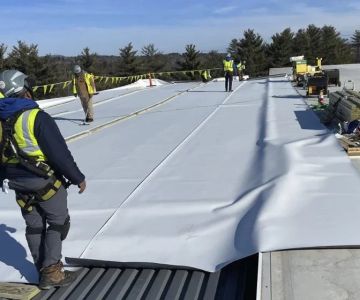
 RVAX Metal Roofing5.0 (13 reviews)
 iHeart Roofing5.0 (19 reviews)
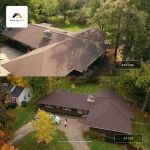 Save My Roof5.0 (51 reviews)
 Ivy league Roof Installation5.0 (6 reviews)
 T L Roofing & Sheet Metal Corporation5.0 (1 reviews)
 HRL Exteriors5.0 (12 reviews)
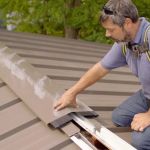 How to Install a Standing Seam Metal Roof with Hidden Fasteners
 How to Choose a Roofing Contractor Who Offers a Strong Workmanship Warranty
 How Attic Ventilation Impacts Roof Health: Importance and Solutions
 The Role of Attic Insulation in Roof Health: Regulating Temperature and Preventing Ice Dams
 How to Tell If Your Roof Was Installed Properly
 How to Install Ice and Water Shield on a Roof with Many Valleys and Penetrations