
- how-roof-color-affects-energy-efficiency
- best-roof-colors-for-hot-climates
- roof-colors-that-work-better-in-cold-climates
- balancing-style-and-efficiency-in-mixed-climates
- real-case-study-texas-homeowner-cuts-energy-bill-20
- choosing-the-right-roofing-material-and-color-together
- where-to-get-energy-efficient-roofing-help
1. How Roof Color Affects Energy Efficiency
In the U.S., where temperature extremes can swing dramatically from coast to coast, one of the most frequently asked questions by homeowners is: what roof color is best for energy efficiency? It’s not just an aesthetic choice—your roof color plays a measurable role in how much heat your home absorbs or deflects, and that directly affects your energy bills.
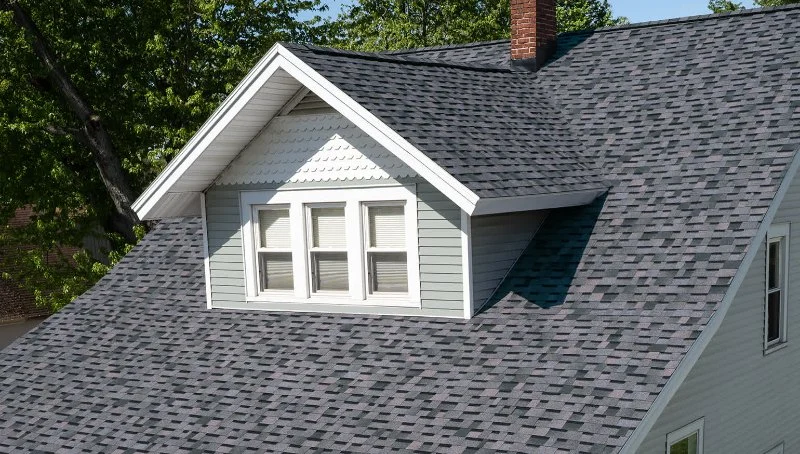
Light-colored roofs reflect more sunlight, which helps keep homes cooler in hot weather. Darker roofs absorb more heat, which can be beneficial in colder areas but detrimental in hot climates. This principle is tied to a measurement called the Solar Reflectance Index (SRI), which tells you how much a roof reflects solar heat.

JK Contractors / jk roofing
West BendOzaukee CountyWisconsin
3058 County Rd Y, West Bend, WI 53095, USA
2. Best Roof Colors for Hot Climates
In warm regions like Arizona, Florida, or Southern California, cooling costs often spike during summer. Choosing a light-colored roof—such as white, light gray, beige, or even pale green—can reduce roof surface temperatures by up to 50°F compared to traditional dark shingles.
Lance Roofing & Siding Inc. / lance roofing and siding
6903 Dayton Springfield Rd, Enon, OH 45323, USA
2.1 Cool Roof Technologies
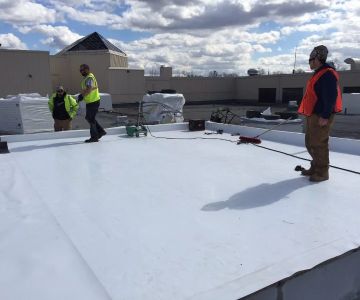
Modern “cool roofs” use special pigments and coatings to reflect infrared light even more effectively than their color might suggest. A white metal roof, for example, reflects nearly 70% of solar radiation and can dramatically reduce attic temperatures, which translates to lower AC usage.
2.2 Environmental Incentives
Some states offer rebates or incentives for cool roof installations. For instance, California’s Title 24 building code encourages energy-efficient roofing through compliance standards. If you're in a sunbelt state, choosing the right color can also help meet local energy codes.
3. Roof Colors That Work Better in Cold Climates
Not everyone wants to deflect heat—especially in northern states like Minnesota, Vermont, or Montana, where heating costs dominate. In colder climates, darker roofs—such as black, dark brown, or deep green—absorb more heat during sunny winter days, helping reduce the burden on your heating system.
3.1 Heat Retention Matters
Dark roofs can raise attic temperatures and reduce the frequency your heating system kicks on. Though the benefit may not be as dramatic as cooling in hot climates, it can still contribute to long-term savings, especially in homes with good insulation and south-facing exposure.
3.2 Snow and Ice Melting
A dark roof can help snow and ice melt faster, reducing the risk of buildup and ice dams. This makes maintenance easier and can help extend the roof’s lifespan in snowy regions.
4. Balancing Style and Efficiency in Mixed Climates
For areas like North Carolina, Missouri, or Pennsylvania that experience all four seasons, the best roof color for energy efficiency often lies in the middle ground. Medium-toned colors—like medium gray, muted terra cotta, or natural slate—offer decent reflectivity in summer and modest absorption in winter.
Homeowners here should consider not just color, but material. For example, a reflective asphalt shingle in medium gray may perform better than a non-reflective black metal roof. Balance is key when your climate demands both heating and cooling efficiency.
5. Real Case Study: Texas Homeowner Cuts Energy Bill 20%
After years of fighting high summer energy bills in Austin, Texas, the Morgan family finally decided to replace their aging dark brown asphalt roof. They switched to a light gray composite shingle with reflective granules recommended by Pro Found Roofing.
Within three months of installation, their utility usage dropped noticeably. A smart thermostat report showed their attic temperatures were 25°F cooler on average, and their summer electric bill decreased by over 20% compared to the previous year.
The family shared their experience online, noting, “We never realized the color made that much difference—until we saw the bill.”
6. Choosing the Right Roofing Material and Color Together
Color matters, but so does what the roof is made of. Metal roofs, reflective asphalt shingles, clay tiles, and even green roofs (with live vegetation) all offer varying levels of energy performance.
6.1 Metal Roofing
Highly durable and often available in cool-tone finishes, metal roofs are excellent for hot climates. They’re also recyclable and fire-resistant.
6.2 Reflective Asphalt Shingles
These are widely available, affordable, and come in energy-efficient colors. Many U.S. manufacturers now offer ENERGY STAR-rated options.
6.3 Clay or Concrete Tile
Popular in the Southwest, these can be naturally cooling depending on color and finish. Their thermal mass also helps regulate indoor temps.
7. Where to Get Energy-Efficient Roofing Help
Choosing the best roof color for energy efficiency depends on where you live, the material you choose, and how your home is insulated. If you're unsure where to start, expert help can make all the difference. At Pro Found Roofing, our team helps homeowners evaluate climate, budget, and style to recommend the smartest roofing option available.
Whether you’re building new or replacing an old roof, the right combination of color and material can save thousands over the years. And yes—it all starts with picking the right shade.

 A. Stewart Roofing and Waterproofing4.0 (39 reviews)
 Advanced Home Exterior5.0 (11 reviews)
 L-Nolt & Sons5.0 (10 reviews)
 Charlotte Roof Repairs5.0 (2 reviews)
 Diaz Roofing Inc.4.0 (12 reviews)
 Otto's Roofing5.0 (12 reviews)
 Signs It’s Time to Replace Your Roof – Don’t Ignore These Red Flags
 What is a Roofing Ice Dam? How Heat Loss from Your Home Creates This Problem
 How to Fix a Leak in a Roof Valley That Has Rusted Through on a Metal Roof
 The Best Roofing Materials for a Lake House with High Humidity
 The Best Ventilation Systems for a Hot Attic: Reducing Heat Buildup in Summer
 Installing a Skylight on an Existing Roof: Challenges, Costs, and Leak Prevention