- 1. Understanding the Roof Valley Leak
- 2. Causes of Rusting in Metal Roof Valleys
- 3. Tools and Materials Needed for the Repair
- 4. Step-by-Step Guide to Fixing the Leak
- 5. Post-Repair Maintenance and Prevention
- 6. When to Call a Professional Roofer
1. Understanding the Roof Valley Leak
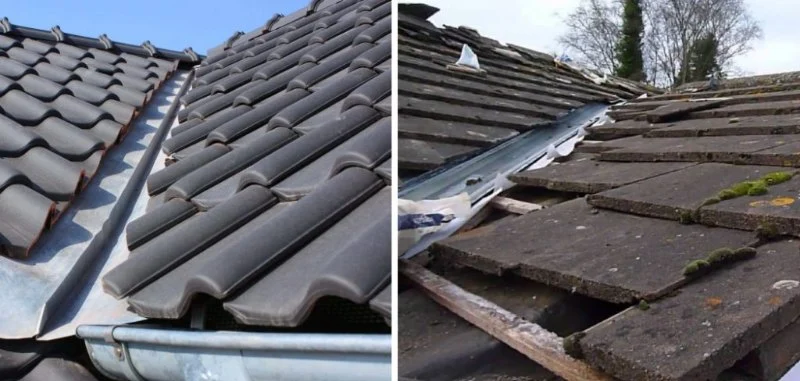
A roof valley is the area where two sections of a roof meet, forming a V-shaped channel that directs water off the roof. These areas are particularly vulnerable to leaks because they often experience higher levels of water flow. When a metal roof valley rusts, it can create a pathway for water to seep through, causing leaks inside your home. Fixing this issue quickly is important to prevent further damage, such as mold growth or structural deterioration.

Holden Roofing (Houston Corporate) / holden roofing
RosenbergFort Bend CountyTexas
2128 1st St, Rosenberg, TX 77471, USA
2. Causes of Rusting in Metal Roof Valleys
Metal roofs are generally durable, but over time, exposure to moisture, temperature changes, and weather conditions can cause rust. In roof valleys, the combination of trapped moisture, debris, and wear on the metal surface can accelerate rusting. Common causes of rusting in metal roof valleys include:
- Long-term exposure to rain and snow, which increases the likelihood of rust formation
- Debris accumulation, such as leaves or branches, that trap moisture
- Poorly installed flashing or valley metal that does not provide a complete seal
- Inadequate drainage, which leads to water pooling in the valley
3. Tools and Materials Needed for the Repair
Before beginning any repairs, it’s important to gather the right tools and materials. Here’s what you’ll need:
- Safety gear (gloves, goggles, and ladder stability equipment)
- Roof patching compound or roofing sealant
- Roofing tar or adhesive for sealing cracks
- Metal flashing (if replacing damaged sections)
- Rust-resistant screws and nails
- Wire brush or steel wool (for cleaning rust)
- Caulk gun (for applying sealant)
4. Step-by-Step Guide to Fixing the Leak
Once you’ve gathered the necessary materials, you can follow these steps to repair the leak in your metal roof valley:
Absolute Roofing / absolute roofing
TimoniumBaltimore CountyMaryland
22 W Padonia Rd # B229, Timonium, MD 21093, USA
4.1 Inspect the Damage
Start by assessing the extent of the rust damage. If the rust is superficial, you can clean and seal the area. However, if the metal is severely corroded, you may need to replace sections of the roofing material.
4.2 Clean the Rusted Area
Use a wire brush or steel wool to scrub away the rust and any debris around the rusted area. Cleaning the metal thoroughly will help the new sealant adhere better and prevent further rust from forming.
4.3 Apply a Rust Converter
If the rust has penetrated deeply into the metal, applying a rust converter can help stop the corrosion process. This solution chemically changes the rust into a stable compound that can be painted over.
4.4 Seal the Area with Roofing Compound
Once the area is clean and dry, apply roofing sealant or a roof patching compound to the damaged area. Use a caulk gun to apply a generous amount of sealant over the crack or rusted section. Make sure to cover the edges completely to prevent further leaks.
4.5 Replace Damaged Flashing
If the rust has damaged the flashing in the roof valley, you’ll need to replace it. Cut and install new metal flashing along the valley, ensuring it’s sealed tightly at the edges. Secure it with rust-resistant screws or nails.
4.6 Test the Repair
Once the sealant has dried, inspect the area for any remaining gaps. You can test the repair by gently spraying water along the valley to check for leaks. If water seeps through, reapply more sealant to ensure a tight seal.
5. Post-Repair Maintenance and Prevention
After repairing the leak, it's essential to maintain the roof valley to prevent future issues. Here are some tips to help keep your roof in good condition:
- Regularly clean debris from the roof valleys to prevent moisture buildup.
- Inspect the roof valley after heavy storms to check for signs of wear or new rust.
- Consider applying a protective coating to the roof every few years to prevent rust.
6. When to Call a Professional Roofer
If the rust is too extensive or if you’re unsure about making the repairs yourself, it’s a good idea to consult with a professional roofer. A qualified roofer can assess the damage, recommend the best course of action, and perform repairs safely. Additionally, if your metal roof is significantly damaged or has widespread rusting, professional repair or replacement might be necessary.
For more information on roofing repairs or to get professional help with fixing a roof valley, visit Pro Found Roofing, where you can find the right roofing services and products to maintain the longevity of your roof.
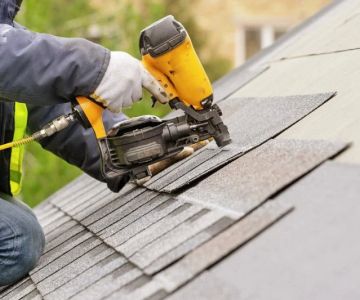
 Leonard Roofing & Construction0.0 (0 reviews)
 American Construction Roofing, Siding and Windows5.0 (28 reviews)
 Nimbus Roofing & Sheet Metal5.0 (19 reviews)
 Beasley Roofing & Construction, LLC4.0 (23 reviews)
 Vegas Storm Solutions5.0 (3 reviews)
 AAAS ROOFING0.0 (0 reviews)
 How to Safely Remove Moss and Algae from Your Roof | Cleaning and Prevention Tips
 How to Install Roofing Underlayment on a Low-Slope or Flat Roof
 How to Install a Ridge Vent on a Roof with an Existing Power Fan – Complete Guide
 The Benefits of a White TPO Roof for Reflecting Sunlight and Saving Energy
 The Best Ventilation Systems for a Hot Attic: Reducing Heat Buildup in Summer
 The Importance of Proper Roof Ventilation: Preventing Moisture, Mold, and Ice Dams