
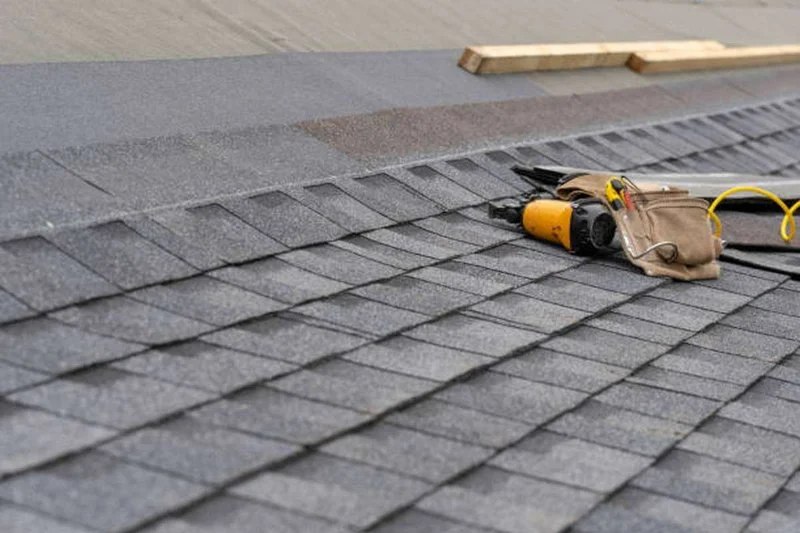
- 1-Identifying the Source of the Leak
- 2-Assessing Damage and Materials Needed
- 3-Temporary Fixes for Immediate Leaks
- 4-Permanent Repair Strategies for Low Slope Roofs
- 5-Common Challenges and Expert Tips
- 6-Preventive Maintenance to Avoid Future Leaks
1. Identifying the Source of the Leak
Before repairing a leaking low-slope roof on a porch or sunroom, it is crucial to locate the exact source of the leak. Low-slope roofs often allow water to pool, making leaks harder to detect than on steep roofs. Common sources include seams in roofing membranes, damaged flashing around windows or vents, and punctures from debris.
For example, a homeowner in Atlanta discovered water stains on the sunroom ceiling. By tracing the water path from the stains to the roof, it was found that a small tear in the rubber membrane near the edge caused the leak. Identifying the source accurately ensures that repairs target the problem effectively. Pro Found Roofing offers professional tools and inspection methods to pinpoint leaks precisely.

Holden Roofing (Houston Corporate) / holden roofing
RosenbergFort Bend CountyTexas
2128 1st St, Rosenberg, TX 77471, USA
2. Assessing Damage and Materials Needed
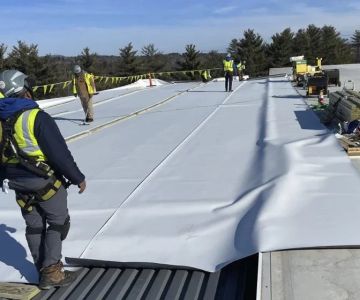
Once the leak source is identified, evaluate the extent of the damage. Inspect the roofing membrane, flashing, fasteners, and underlying structure for wear, rot, or mold. For minor leaks, patching the membrane may suffice. Severe damage may require partial or full roof replacement.
Materials commonly needed for low-slope roof repairs include:- Waterproof roofing membranes (EPDM, TPO, or modified bitumen)- Roofing sealant and adhesives- Flashing materials for edges and penetrations- Roofing nails or screws compatible with the membrane type- Safety equipment for working on low-slope surfaces
Assessing materials ahead of time prevents delays and ensures a durable repair. Pro Found Roofing can provide recommendations for the best materials suited to your specific low-slope roof type.

JK Contractors / jk roofing
West BendOzaukee CountyWisconsin
3058 County Rd Y, West Bend, WI 53095, USA
3. Temporary Fixes for Immediate Leaks
If immediate action is needed to prevent water damage before permanent repairs, temporary fixes can help. Common solutions include:
- Applying roofing tape or sealant over small cracks or punctures- Using waterproof tarps or plastic sheeting to cover the affected area during rain- Placing sandbags or boards to redirect water flow away from low-slope areas
These measures do not replace a permanent solution but can mitigate damage during storms. A homeowner in Chicago successfully used temporary sealant patches to prevent further interior water damage until professional repair could be scheduled.
4. Permanent Repair Strategies for Low Slope Roofs
Permanently repairing a low-slope porch or sunroom roof requires addressing both the leak and the underlying cause. Strategies include:
1. Patch Repair – For minor membrane tears, clean the area, apply adhesive or sealant, and cover with a membrane patch.2. Flashing Replacement – Replace or reinforce flashing around windows, doors, and roof edges to prevent recurring leaks.3. Full Membrane Replacement – In cases of widespread wear, removing the old membrane and installing a new waterproof membrane ensures long-term protection.4. Slope Adjustment or Tapered Insulation – Adding tapered insulation or adjusting roof pitch slightly can improve drainage and prevent future pooling.
For example, a Florida homeowner replaced deteriorated TPO membrane and reinforced all edge flashing. The repair eliminated leaks and improved roof durability during heavy rains. Pro Found Roofing provides professional installation services and material recommendations for long-lasting repairs.
5. Common Challenges and Expert Tips
Low-slope roofs present unique challenges, including water pooling, membrane shrinkage, and difficulty detecting leaks. Expert tips to overcome these issues include:
- Inspect the roof regularly, especially after storms- Ensure all seams and flashing are properly sealed- Avoid walking on the membrane unnecessarily to prevent punctures- Consult professionals for inspection or complex repairs
Case studies show that homeowners who follow these guidelines experience significantly fewer leaks and prolonged roof life. Pro Found Roofing offers expert advice to navigate these challenges effectively.
6. Preventive Maintenance to Avoid Future Leaks
Preventing future leaks involves proactive maintenance practices. Regularly remove debris from the roof, clean gutters, and inspect membranes and flashing for wear. Applying sealant to seams periodically and addressing minor issues early can save significant costs in the long run.
A homeowner in Denver implemented annual inspections and minor repairs, preventing leaks for over a decade. Following preventive measures ensures your low-slope porch or sunroom roof remains watertight. Pro Found Roofing offers maintenance services and tips to keep your roof in optimal condition.


 J. Carnes & Son Roofing4.0 (279 reviews)
 Professional Exteriors Inc -- Eau Claire5.0 (1 reviews)
 Z Nation Roofing LLC.1.0 (1 reviews)
 CAT5 Metal Roofing5.0 (2 reviews)
 Firebird Exteriors LLC4.0 (9 reviews)
 JCK Roofing5.0 (2 reviews)
 How to Prevent Roof Damage from Freezing Rain and Sleet in the Winter
 How to Choose the Best Roof Color for Energy Efficiency
 The Complete Guide to Roof Replacement: What You Need to Expect
 What is a Roofing Square? How to Calculate Waste Factor for a Roof Order
 How Solar Panels Affect Your Roof – What You Need to Know | Pro Found Roofing
 How Often Should You Replace Your Roof? The Key Factors That Determine Its Lifespan