
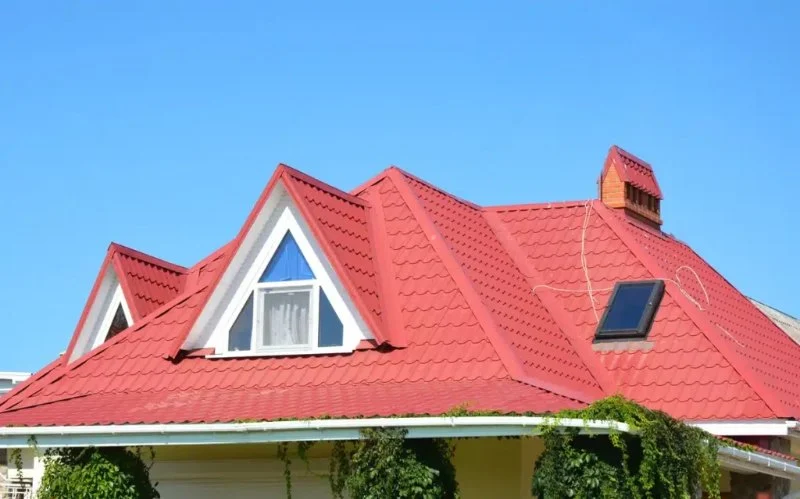
- 1. What Is a Gable Roof?
- 2. What Is a Hip Roof?
- 3. The Pros and Cons of a Gable Roof
- 4. The Pros and Cons of a Hip Roof
- 5. Which Roof Design Is Better for Your Home?
- 6. How Pro Found Roofing Can Help You Choose the Right Roof Design
1. What Is a Gable Roof?
A gable roof is one of the most common and simple roof designs. It consists of two sloping sides that come together at a ridge, creating a triangular shape. This roof style is often seen in traditional homes and provides a clean, classic look. Gable roofs are ideal for areas with moderate to heavy rainfall and are designed to shed water efficiently.
One of the reasons gable roofs are so popular is their ease of construction. The simple shape makes them relatively cost-effective to build, and they provide excellent attic space or room for vaulted ceilings. However, the steep slopes can be vulnerable in areas with high winds or heavy snow.

Gunner Roofing / gunner roofing
CromwellLower Connecticut River Valley Planning RegionConnecticut
700 Corporate Row, Cromwell, CT 06416, USA
2. What Is a Hip Roof?
A hip roof, on the other hand, is a more complex design, where all four sides of the roof slope downwards towards the walls of the house. The sides of a hip roof are usually gentle slopes that meet at a ridge or point. This design is commonly used for more modern or upscale homes and is known for its stability and ability to handle various weather conditions.
While more intricate in design, the hip roof offers excellent durability and wind resistance. The symmetrical design of the hip roof allows for even weight distribution, making it a good option in regions that experience extreme weather, such as high winds or heavy snowfalls.

Holden Roofing (Houston Corporate) / holden roofing
RosenbergFort Bend CountyTexas
2128 1st St, Rosenberg, TX 77471, USA
3. The Pros and Cons of a Gable Roof
Before choosing a roof design, it’s essential to understand the advantages and disadvantages of a gable roof. This will help you determine if it’s the right fit for your home.
3.1. Pros of a Gable Roof
Simple Design: The straightforward design of a gable roof makes it easier and cheaper to construct. Its simplicity allows for a quicker build, which can lower labor costs.
Excellent Water Drainage: The sloping sides allow rain and snow to easily slide off the roof, preventing water buildup and potential leaks.
More Attic Space: A gable roof provides ample attic space or room for vaulted ceilings, which can be an advantage if you plan to use the attic for storage or living space.
3.2. Cons of a Gable Roof
Less Wind Resistance: The sharp slopes of a gable roof can make it more vulnerable to high winds. In areas with frequent storms, a gable roof may need additional support to prevent damage.
Snow Accumulation: If you live in an area with heavy snowfall, the steep slope of a gable roof can cause snow to accumulate, potentially leading to damage if not cleared regularly.
Prone to Damage in Severe Weather: Gable roofs are more susceptible to damage in severe weather conditions like hurricanes and tornadoes, especially if the roof is not properly reinforced.
4. The Pros and Cons of a Hip Roof
Now let’s examine the advantages and drawbacks of choosing a hip roof design for your home.
4.1. Pros of a Hip Roof
Enhanced Stability and Wind Resistance: A hip roof is much more stable than a gable roof, particularly in areas prone to high winds. The symmetrical design helps distribute weight evenly and reduces the chances of wind damage.
More Durable in Severe Weather: The design of a hip roof allows it to better withstand heavy snow, rain, and even hurricanes due to its continuous slopes and solid structure.
Better for Insulation: With a hip roof, the enclosed spaces tend to offer better insulation, helping to keep your home cooler in the summer and warmer in the winter. This can help reduce energy bills over time.
4.2. Cons of a Hip Roof
More Expensive to Build: Because of its complex design, a hip roof is more expensive to construct than a gable roof. The extra materials and labor involved make it a costlier option.
Less Attic Space: Unlike a gable roof, a hip roof generally offers less attic space due to the sloped design. This can limit your ability to use the attic for storage or additional living space.
Complex Construction: The complexity of the design makes a hip roof harder to build and requires skilled labor. This could mean a longer construction time and higher costs.
5. Which Roof Design Is Better for Your Home?
When deciding between a gable roof and a hip roof, several factors should guide your choice. Here are some considerations to help you make the best decision:
5.1. Location and Climate
If you live in an area with high winds or severe weather, a hip roof may be the better option due to its superior wind resistance and durability. On the other hand, if you live in a milder climate, a gable roof could be a more cost-effective solution.
5.2. Budget and Aesthetic Preferences
Gable roofs tend to be less expensive and can be an excellent choice if you’re working within a tighter budget. However, if you’re looking for a more stylish and stable design, and you’re willing to invest more in construction, a hip roof might be worth the extra cost.
5.3. Functional Needs
Consider whether you need extra attic space or if the extra insulation and durability of a hip roof would provide better long-term benefits. If maximizing attic space is a priority, a gable roof may be the better fit.
6. How Pro Found Roofing Can Help You Choose the Right Roof Design
At Pro Found Roofing, we understand that choosing the right roof design is a big decision. Our experts can help you weigh the pros and cons of gable and hip roofs based on your home’s location, style, and budget. Whether you’re looking for a simple, cost-effective option or a more durable, aesthetically pleasing roof, Pro Found Roofing has the products and expertise to guide you through the selection process.
Visit Pro Found Roofing today for professional advice and top-quality roofing materials to ensure that your new roof is a perfect fit for your home!

 Ale Home Improvement llc4.0 (31 reviews)
 Rex Roofing LLC5.0 (16 reviews)
 Safeties Construction Inc.0.0 (0 reviews)
 Epdm Roofing NJ5.0 (28 reviews)
 Clarke Roofing & Siding5.0 (2 reviews)
 Buchanan Contracting Services LLC5.0 (18 reviews)
 How to Spot Curling Shingles and What Causes This Common Problem
 What is a Roofing Square? How to Calculate the Area of a Hip Roof
 Common Roofing Terms Every Homeowner Should Know Before Talking to a Contractor
 htmlCopy codeThe True Cost of a Built-Up Roof (BUR) with Gravel for a Commercial Building
 The Pros and Cons of Installing a Roof Overlay vs Full Replacement
 Energy-Efficient 'Cool Roofs': How They Can Significantly Lower Your Cooling Bills