
- 1. What is Synthetic Underlayment and Why Choose It?
- 2. Advantages of Synthetic Underlayment Over Felt
- 3. The Process of Installing Synthetic Underlayment
- 4. Real-World Examples of Synthetic Underlayment in Roofing
- 5. Get Professional Roofing Services at Pro Found Roofing
1. What is Synthetic Underlayment and Why Choose It?
Synthetic underlayment is a modern roofing material designed to provide an extra layer of protection beneath your shingles. Unlike traditional felt underlayment, which is made from fiberglass or organic materials, synthetic underlayment is made from polymers, offering superior strength, moisture resistance, and durability. It acts as a protective barrier between the roofing deck and shingles, helping to prevent water infiltration, increase the roof's lifespan, and improve overall performance.
Choosing synthetic underlayment for your roofing project offers several advantages, including better resistance to harsh weather conditions, enhanced durability, and easier installation compared to felt. The added benefits of synthetic underlayment make it an ideal choice for homeowners and contractors looking for a high-performance, long-lasting solution.

Holden Roofing (Houston Corporate) / holden roofing
RosenbergFort Bend CountyTexas
2128 1st St, Rosenberg, TX 77471, USA
2. Advantages of Synthetic Underlayment Over Felt
While felt underlayment has been a popular choice for many years, synthetic underlayment has increasingly become the preferred option due to its many advantages. Here are a few key reasons why synthetic underlayment is superior to felt:
- Superior Durability: Synthetic underlayment is significantly more durable than felt. It is resistant to tearing, rotting, and deterioration, ensuring a longer lifespan for your roof. Felt underlayment, on the other hand, is more prone to damage from moisture, UV exposure, and physical wear.
- Moisture Resistance: Synthetic underlayment is highly moisture-resistant, making it ideal for protecting your roof deck from water damage. Felt underlayment absorbs water more easily, which can lead to mold growth or degradation over time.
- Better Slip Resistance: Many synthetic underlayments have a textured surface that offers better slip resistance, reducing the risk of accidents during installation. Felt underlayment can become slippery, especially in wet conditions.
- Improved Weight and Ease of Handling: Synthetic underlayment is typically lighter than felt, making it easier to handle, transport, and install. This results in faster installation times and less strain on the roofing team.
- UV Protection: Synthetic underlayment offers enhanced UV protection, preventing the roofing materials from being damaged by the sun's rays while waiting for the shingles to be installed. Felt underlayment does not offer the same level of protection and can degrade faster when exposed to sunlight.
3. The Process of Installing Synthetic Underlayment
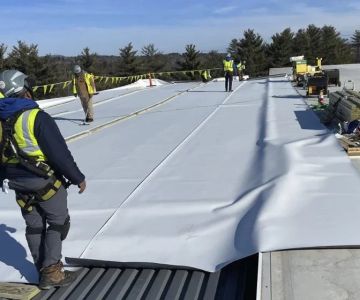
The installation of synthetic underlayment is generally quicker and simpler than installing traditional felt underlayment. Here's a step-by-step breakdown of the installation process:
- Prepare the Roof Deck: Before installing the underlayment, ensure the roof deck is clean, dry, and free of debris. This is an essential step to ensure the underlayment adheres properly and performs as expected.
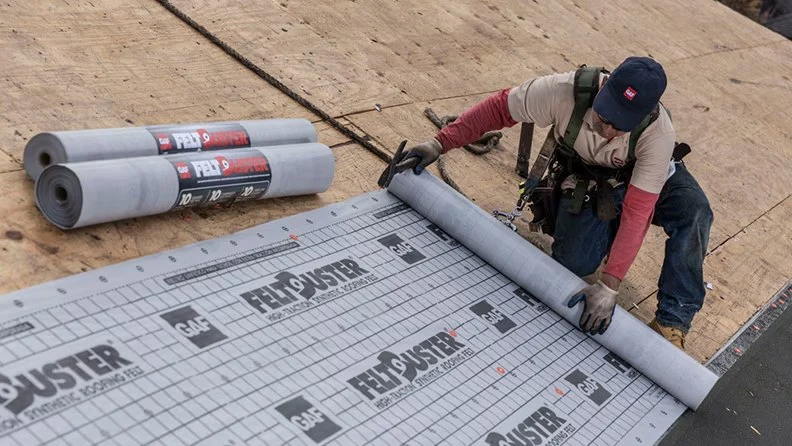
- Install the Synthetic Underlayment: Starting at the eaves of the roof, unroll the synthetic underlayment across the roof deck. Overlap the edges by several inches to ensure full coverage and prevent any water from seeping through the seams. Secure the underlayment in place using roofing nails or staples.
- Continue Across the Roof: Work your way up the roof, overlapping each row of underlayment by about 6 to 8 inches. Make sure to maintain a consistent overlap to create a solid, water-tight barrier.
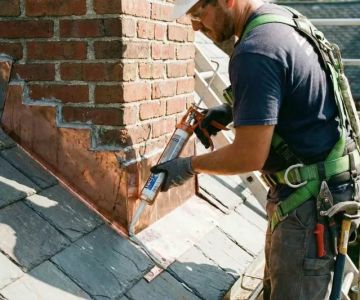
- Install Flashing: Flashing should be installed around roof penetrations, such as chimneys, vents, and skylights, to ensure no water can enter through these areas. Synthetic underlayment will seamlessly integrate with the flashing to create a waterproof seal.
- Final Inspection: Once the underlayment is installed, inspect the entire roof to ensure there are no gaps or loose edges. Proper installation is key to ensuring the roof performs at its best.
Compared to felt, the installation of synthetic underlayment is quicker, safer, and more efficient, helping reduce labor costs and time spent on the roofing project.

Rapid Response Roofing / rapid response roofing
East GreenvilleMontgomery CountyPennsylvania
408 State St, East Greenville, PA 18041, USA
4. Real-World Examples of Synthetic Underlayment in Roofing
Homeowners and contractors across the country have found synthetic underlayment to be a game-changer in roofing projects. For example, a commercial building in Florida was able to complete its roof replacement faster and more efficiently by using synthetic underlayment. The roofers appreciated the lightweight material, which made handling and installation quicker, especially in the humid and rainy conditions typical in Florida.
In another example, a residential property in Texas that had suffered damage from a severe storm chose synthetic underlayment for its roof replacement. The underlayment provided an extra layer of protection against the elements, ensuring the roof’s longevity and performance through the harsh Texas heat and frequent storms.
These real-world cases demonstrate how synthetic underlayment is being used successfully in various climates and situations, offering superior performance compared to traditional felt underlayment.
5. Get Professional Roofing Services at Pro Found Roofing
If you're ready to install synthetic underlayment on your roof or need professional roofing services, Pro Found Roofing is here to help. Our experienced team can guide you through the benefits of synthetic underlayment and ensure that your roofing project is completed efficiently and to the highest standards.
At Pro Found Roofing, we specialize in using the best roofing materials, including synthetic underlayment, to provide long-lasting, reliable roofing solutions. Contact us today to learn more about how synthetic underlayment can improve your roof’s performance and lifespan.

 Montclair Roofing of Englewood5.0 (4 reviews)
 Orlandoroofclaims.com5.0 (14 reviews)
 Roofing Co0.0 (0 reviews)
 Hect Home Improvement LLC - Saginaw4.0 (12 reviews)
 Skylight Exteriors5.0 (3 reviews)
 Starway Roof Systems5.0 (412 reviews)
 htmlCopy codeThe True Cost of a Built-Up Roof (BUR) with Gravel for a Commercial Building
 The Best Roofing Materials for a Mediterranean or Spanish-Style Home
 How to Prepare Your Roof for Hurricane or Tornado Season
 Slate Roofing: The Ultimate Guide to Cost, Installation, and Maintenance
 How Attic Ventilation Impacts the Health of Your Roof
 The Signs of a Roof Leak in Your Attic: Stains, Mold, and Wet Insulation